Nutri Courses

Magazine Nutrition and Health

Eating Disorders

📅 3. 9. 2024

Eating Disorders

Eating disorders are increasingly appearing in modern society and represent a serious health and psychosocial problem. They predominantly affect younger age categories and more often women, especially during adolescence and early adulthood. Besides clinically diagnosed disorders, various forms of...


Metabolic Syndrome

📅 3. 9. 2024

Metabolic Syndrome

Metabolic syndrome is a term that is being discussed more and more frequently. The reason is not only that it affects an increasing portion of the population, but also because it is a syndrome. That is, not one specific health...

Detoxification

📅 3. 9. 2024

Detoxification

Detoxification is a frequently cited concept, especially in the context of promoting various foods, dietary supplements, different devices, or general supportive methods aimed at ridding the body of undesirable substances that harm human health in various ways. As a result,...

Thyroid Dysfunction

📅 3. 9. 2024

Thyroid Dysfunction

The thyroid gland is an endocrine gland located at the front of the neck below the thyroid cartilage. It's crucial for human life quality because it produces key hormones: 1. Triiodothyronine – contains 3 iodine atoms, referred to as T3....

Tetany

📅 3. 9. 2024

Tetany

Tetany is an issue that troubles a large number of people, most of whom are unaware that it is indeed tetany. Its manifestations can not only diminish quality of life but also, in some situations, seriously endanger health. However, prevention and...

Osteoporosis

📅 3. 9. 2024

Osteoporosis

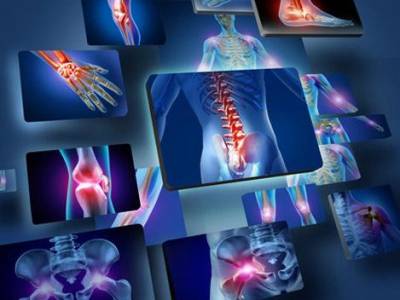
Osteoporosis is a condition in which there is a decrease in bone strength due to the loss of bone mass and the disruption of the internal structure of bone tissue. It involves the loss of proteins and minerals, the structure...

Ankylosing spondylitis

📅 3. 9. 2024

Ankylosing spondylitis

Bechterew's disease (ankylosing spondylitis) is a chronic inflammation of cartilage tissues. It most commonly affects the spinal vertebrae and the eye's iris, but it can also impact joints and sometimes the lungs (pulmonary fibrosis). The exact cause of the disease is not fully understood....

Lactose intolerance

📅 3. 9. 2024

Lactose intolerance

Digestive and absorption disorders of certain nutrients are a widespread problem. They most commonly manifest as bloating, flatulence, a feeling of poor digestion, diarrhea, abdominal cramps, and this may lead to gradual weight loss. Among the most common disorders is...

Cholesterol

📅 3. 9. 2024

Cholesterol

Cholesterol is a substance whose importance is often cited in relation to human health, especially in cardiovascular diseases. We consume a small amount of cholesterol from animal foods (the richest sources are offal and eggs), but the vast majority (approximately 90...

Gout

📅 3. 9. 2024

Gout

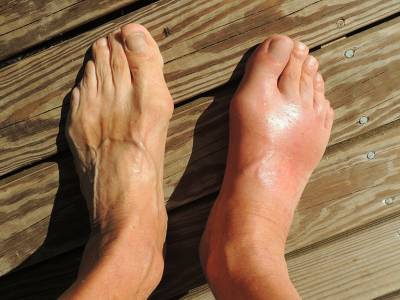
Gout is a form of arthritis (an inflammatory joint disease) caused by uric acid crystals deposited in joint tissue. Uric acid is the end product of the metabolism of purines, which are found in greater quantities in certain types of...

Immune System

📅 3. 9. 2024

Immune System

Immunity is the natural ability of an organism to recognize germs and resist them. Germs are referred to in technical jargon as antigens (= antibody generator). These are substances that originate from the external environment, or those that arise directly...

Diabetes

📅 3. 9. 2024

Diabetes

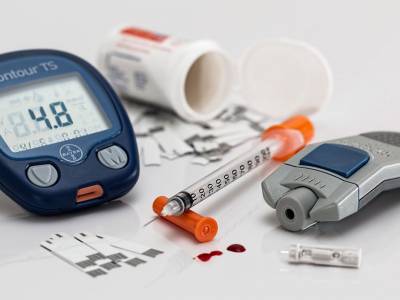
Diabetes (diabetes mellitus) is a chronic disease that manifests as a disorder of carbohydrate metabolism. Several types of diabetes are known, most commonly classified as: Type I Diabetes (insulin-dependent). It most frequently develops in youth. The causes are varied: -...

Histamine Intolerance

📅 3. 9. 2024

Histamine Intolerance

Histamine intolerance (HIT) is one of the frequently cited issues that are difficult to diagnose and treat.Every individual is sensitive to a different amount of histamine, manifesting through a range of different symptoms. Additionally, many other diseases are associated with...

Celiac disease

📅 3. 9. 2024

Celiac disease

Coeliac disease is a serious lifelong intestinal autoimmune disorder caused by intolerance to the protein gluten in the diet. It is an issue of the immune system, where gluten is mistakenly identified by the immunity (as a substance harmful to...

Gut microbiota

📅 3. 9. 2024

Gut microbiota

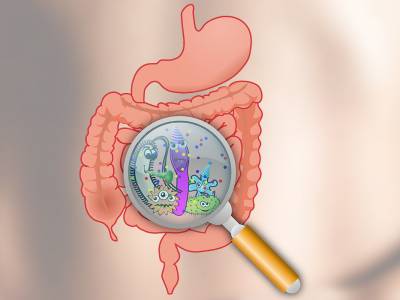
The gut microbiota is a specific system in the human body that determines the quality of the functioning of the entire organism. The colonization of the large intestine by microorganisms begins only after birth, when the first microorganisms are acquired...

Hypertension

📅 3. 9. 2024

Hypertension

Hypertension (high blood pressure) is a very widespread health problem. It affects people of various ages, including both the elderly and children. Blood pressure is the force exerted by the blood as it flows through the arteries and veins, measured in...

START OF TEXT:
FODMAP

📅 3. 9. 2024

START OF TEXT: FODMAP

FODMAP is a term composed of the initial letters of the words fermentable oligosaccharides, disaccharides, monosaccharides, and polyols. These are forms of carbohydrates that are difficult to break down and absorb in the small intestine. They pass into the large...

Periodontitis

📅 3. 9. 2024

Periodontitis

Periodontitis is an inflammatory disease of the gums and the tooth's supporting apparatus. The most common symptoms are: swollen and reddened gums, bleeding from the gums, pain during cleaning, bad breath. The inflammation arises due to increased activity of bacteria in the oral cavity,...

Mucous formation

📅 3. 9. 2024

Mucous formation

Many foods are claimed to increase mucus production, which in turn leads to various health issues. This lay and not entirely accurate notion causes a number of unnecessary complications when trying for rational nutrition. What is the real situation with...

Intestinal Peristalsis

📅 3. 9. 2024

Intestinal Peristalsis

Intestinal peristalsis refers to the movement of the walls of the small and large intestines, which serves to propel their contents forward. These rhythmic movements are controlled by:   1. The autonomic nervous system.This ensures the automatic and unconscious movement...

Leaky Gut Syndrome

📅 3. 9. 2024

Leaky Gut Syndrome

This syndrome, although it affects the intestinal tract, influences the development of a wide range of diseases (fatigue, allergies, inflammations, autoimmune diseases, irritable bowel syndrome, cardiovascular diseases, etc.). Given the lifestyle currently preferred by the population, this problem is developing...

Food intolerances

📅 3. 9. 2024

Food intolerances

Under the term "food intolerances" are hidden various forms of intolerances to certain components in foods. They are caused by the loss of an individual's ability to digest a particular substance in food due to insufficient enzyme function. Unlike allergies,...

Anti-inflammatory diet

📅 3. 9. 2024

Anti-inflammatory diet

The term "anti-inflammatory diet" is somewhat tricky in nutrition. It generally refers to situations where an individual is troubled by various forms of inflammation, and there is a belief that dietary adjustments can alleviate, suppress, or even eliminate (cure) these...

Irritable Bowel Syndrome

📅 3. 9. 2024

Irritable Bowel Syndrome

Irritable Bowel Syndrome (IBS) is a functional disorder of the colon. The most common symptoms include: abdominal pain and cramps, bloating, flatulence, urgency to defecate, intestinal issues - diarrhea, constipation, a feeling of incomplete evacuation after using the toilet, presence...

Food Allergies

📅 3. 9. 2024

Food Allergies

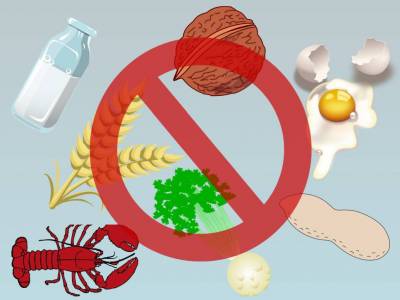
There are numerous situations when the immune system reacts excessively to ordinary situations. The result is a relatively common occurrence of allergic conditions in the population, characterized by excessive or altered humoral or cellular immunity. We know that under normal...

Candida

📅 3. 9. 2024

Candida

Candidiasis refers to the excessive activity of the yeast Candida albicans in the intestines, blood, and organs. This parasitic yeast normally lives in the intestines, genital organs, oral cavity, esophagus, and throat in balance with other bacteria, with overgrowth primarily...

Prostate

📅 3. 9. 2024

Prostate

The prostate or prostate gland is a small organ located (only in men) between the bladder and the rectum and surrounds the urethra. Its function is to produce prostatic fluid, which nourishes and transports sperm. Throughout a man's life, the prostate undergoes various changes. At birth,...

Hemorrhoids

📅 3. 9. 2024

Hemorrhoids

Hemorrhoids are enlarged varicose veins at the entrance to the rectum or directly in the rectum. They develop in more than 50 percent of people, though many are unaware of it. They usually cause discomfort when they become inflamed and enlarged, in such...

Urinary Tract Inflammation

📅 3. 9. 2024

Urinary Tract Inflammation

Urinary tract infection (cystitis) is an unpleasant and often occurring inflammatory disease of the bladder and urinary tract. It arises as a result of a bacterial infection (the most common causative agent is the bacterium Escherichia coli), affecting women much more...

Inflammation of the Gallbladder

📅 3. 9. 2024

Inflammation of the Gallbladder

Gallbladder function disorders are among the modern-day diseases associated primarily with dietary excess and improper diet composition. The most widespread problem is inflammation of the gallbladder, also known as cholelithiasis. Its occurrence and distribution are "interesting" - it affects not...

Liver steatosis

📅 3. 9. 2024

Liver steatosis

The liver is a key organ in the body where a vast amount of chemical reactions occur. Like other organs in the body, the liver is subject to various diseases, and in relation to lifestyle, the most common is non-alcoholic...

Atherosclerosis

📅 3. 9. 2024

Atherosclerosis

Atherosclerosis is a long-term disease caused by the deposition of so-called atherogenic substances (lipids, carbohydrates, blood cells, and calcium) into the artery wall. Over time, there is a gradual narrowing of the artery, a reduction in its elasticity, and a...

Asthma

📅 3. 9. 2024

Asthma

Asthma is a condition in which the mucous membrane in the lower airways swells. As a result, they narrow, airflow is restricted, and breathing worsens. Asthma is most commonly manifested by wheezing or whistling breathing, coughing, insomnia, and tension. If there is...

Multiple sclerosis

📅 3. 9. 2024

Multiple sclerosis

Multiple sclerosis (sklerosis multiplex) is a degenerative disease that affects the central nervous system (CNS). The name "multiple sclerosis" reflects the nature of this disease. The word "sclerosis" comes from the Greek word "skleros," which means "hard." It is termed "multiple" because it...

BEGIN TEXT: Endometriosis

📅 3. 9. 2024

BEGIN TEXT: Endometriosis

Endometriosis is one of the most common gynecological diseases. It is caused by the penetration of small pieces of the uterine lining (endometrium) outside the uterus and their settlement in the ovaries, fallopian tubes, uterine ligaments, gallbladder, or intestines. Under...

Premenstrual Syndrome

📅 3. 9. 2024

Premenstrual Syndrome

Premenstrual syndrome (PMS) is a disorder that affects a large number of women (up to 70%) during the one or two weeks before menstruation begins. It is a collection of several rather unpleasant symptoms affecting both the physical and psychological...

Migraines

📅 3. 9. 2024

Migraines

Headaches affect a significant portion of the population, and they cannot always be classified as migraines. The most common types of headaches are tension-type or vasomotor headaches, which account for over 90% of all headaches. Migraine is defined as a...

Epilepsy

📅 3. 9. 2024

Epilepsy

Epilepsy (also known as seizures) is a condition that results from excessive electrical activity in the brain and nervous system. In a healthy brain, the transmission of electrical impulses between cells is controlled by regulatory mechanisms. However, in cases of epilepsy, situations occur...

BEGINNING OF TEXT:
ADHD

📅 3. 9. 2024

BEGINNING OF TEXT: ADHD

ADHD (Attention Deficit Hyperactivity Disorder) or hyperkinetic disorder, also known as attention deficit disorder with hyperactivity, is a condition that includes: inattention, hyperactivity, impulsive behavior. The issues are chronic and are not caused by neurological, sensory, or motor disorders or...

Tinnitus

📅 3. 9. 2024

Tinnitus

Tinnitus (from the Latin tinnire – to ring) refers to a range of sounds that the affected individual perceives subjectively. This problem typically persists long-term and significantly affects quality of life because it complicates the ability to concentrate on daily...

Insomnia

📅 3. 9. 2024

Insomnia

Insomnia is a problem that affects up to a third of the global population. It is not just the inability to fall asleep, but also the inability to sleep without frequent awakenings and not waking up earlier than needed. If...

Chronic Fatigue Syndrome

📅 3. 9. 2024

Chronic Fatigue Syndrome

Fatigue syndrome affects an increasing number of people worldwide. The manifestations of this disease were previously referred to as "syndrome of chronic neuroendocrineimmune dysfunction" or "myalgic encephalomyelitis," but it is most commonly presented as "chronic fatigue syndrome." It is most...

Osteoarthritis

📅 3. 9. 2024

Osteoarthritis

Osteoarthritis is a degenerative joint disease commonly found in individuals over the age of 50. This condition primarily affects the large weight-bearing joints of the lower limbs (knees, hips) and finger joints. The most well-known symptoms and signs include joint pain at the start...

Dermatitis

📅 3. 9. 2024

Dermatitis

```html Dermatitis is a term used to describe inflammation of the skin. There are several different types of dermatitis that manifest as scaling of the skin, formation of spots on the skin, thickening of the skin cover or color changes,...

The Influence of Diet on Brain Function

📅 3. 9. 2024

The Influence of Diet on Brain Function

A number of people are convinced that individuals who "work with their heads" do not have as high nutritional demands as their physically active counterparts. However, the opposite is true. The brain is the biggest consumer of energy among all...

Inflammation

📅 3. 9. 2024

Inflammation

Inflammation is one of the most important defense mechanisms of the human body. It is often associated with pain, swelling, or redness, but its main goal is to protect us and create conditions for healing. Whenever the body is exposed...

Dementia and Alzheimer's disease

📅 3. 9. 2024

Dementia and Alzheimer's disease

Dementia is a collective term for a group of diseases that lead to the gradual deterioration of cognitive functions. It is not a specific disease but a syndrome resulting from various pathological processes in the brain. A common feature is...

We know foods that are just as harmful as smoking

📅 15. 4. 2022

We know foods that are just as harmful as smoking

It is well known that smoking significantly damages health. In relation to the promotion of cancer development, it is stated that smokers have up to a four-fold higher risk of dying from cancer than non-smokers. Similar evaluations are conducted in...

The surprising food that protects against bone loss

📅 30. 3. 2022

The surprising food that protects against bone loss

It is a well-known fact that as age increases, the risk of bone thinning, leading to the development of osteoporosis, also rises. Although bones can become brittle at any age, this most commonly occurs due to hormonal changes in women...

A high-fiber diet may reduce the risk of dementia

📅 21. 3. 2022

A high-fiber diet may reduce the risk of dementia

Dementia is a mental illness that affects certain brain functions and manifests as an impairment of intellect, memory, and personality. The most common cause is Alzheimer's disease, with the main risk factor being age. This issue is being increasingly discussed...

Education has a positive impact on health

📅 19. 3. 2022

Education has a positive impact on health

Overweight and obesity shift metabolic balance into a state that gives rise to a wide range of noncommunicable diseases. The most commonly cited are cardiovascular diseases and type 2 diabetes, which we know lead to increased mortality. This is a...