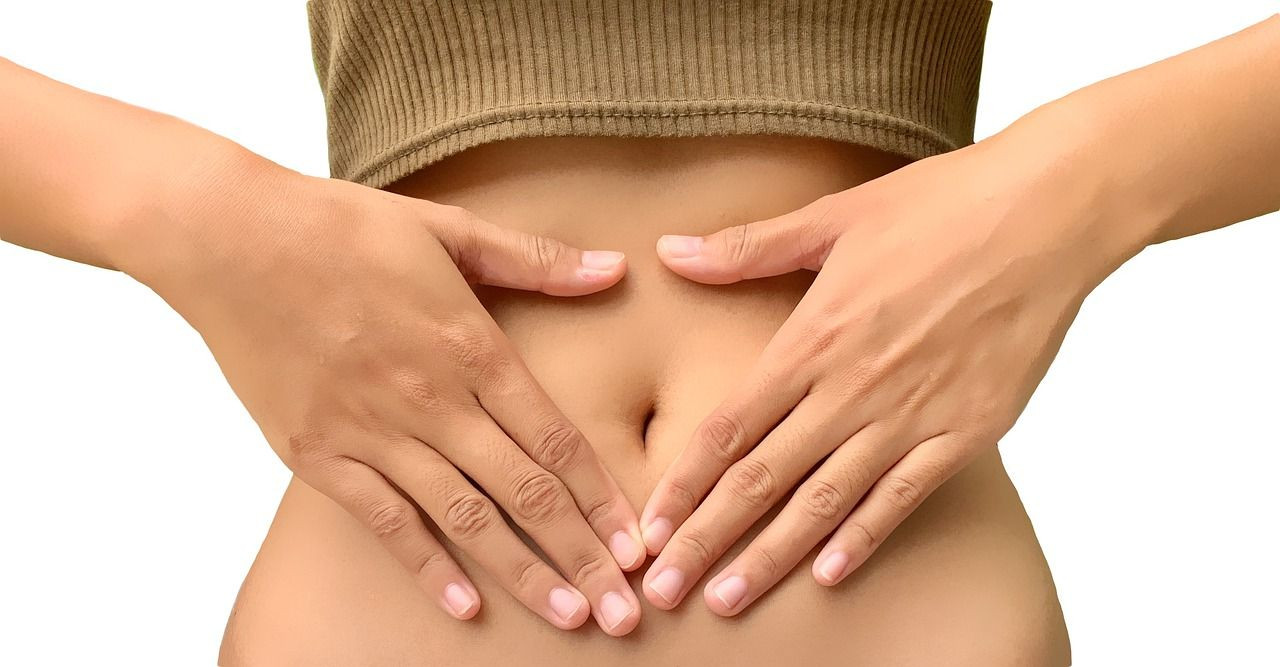
Intestinal peristalsis refers to the movement of the walls of the small and large intestines, which serves to propel their contents forward. These rhythmic movements are controlled by:
1. The autonomic nervous system.
This ensures the automatic and unconscious movement of the intestines.
2.
The activity of the gut microbiota.
The speed of passage of the digested material through the intestine is also influenced by the diversity of the
microbiota, which includes the balance between probiotic and pathogenic microorganisms.
3. The quality of the diet.
This has a dual impact on peristalsis:
A) Directly in the form of the amount of
fiber, which significantly regulates peristaltic movements.
B) Secondarily by influencing the activity of intestinal microorganisms to which we provide the necessary nutrient sources.
4.
The health condition.
The greatest impact comes from food
intolerances and
allergies, or inflammations in the intestinal tract (such as Crohn's disease, ulcerative colitis, etc.).
5. Emotional state.
Generally, stress factors accelerate peristalsis.
6. Physical activity.
Movement (mechanically) accelerates the passage of digested material through the digestive tract, whereas physical inactivity leads to its slowdown (often being a cause of constipation).
7. Medications used.
Most significantly antibiotics (leading to damage to the gut microbiota), as well as some antidepressants and corticosteroids.
The balance in the stability of intestinal movements tends to shift to two extremes:
1. It accelerates.
The causes are:
- stress,
- certain medications used,
- intestinal dysbiosis leading to inflammation,
- food intolerances and allergies,
- long-term deficiency of fiber.
In extreme cases, this leads to diarrhea.
2. It slows down.
The most common causes are:
- lack of physical activity,
- intestinal dysbiosis caused, for instance, by antibiotic use.
The result may be constipation.
The impact of diet on intestinal peristalsis
Adjustments to the diet should be made based on the available information concerning the cause of this issue. Generally, it is always beneficial to analyze the current eating habits and try to identify any discrepancies that may be potential causes of the situation. In practice, this is most often (in both extremes, i.e., fast or slowed movements):
1. Lack of fiber.
It is desirable to gradually increase its intake, where the target does not necessarily have to be the commonly recommended daily intake levels (25 - 35 g for adults), but rather finding the optimum for the given individual (this can easily shift to more than double the commonly recommended amount). It is also necessary to address the ratios between insoluble and soluble fiber.
2. Lack of probiotics.
When there is an imbalance in the diversity of the gut microbiota, it is beneficial to also ensure probiotic cultures. This is achieved by consuming fermented foods, so the diet should include, for example, fermented vegetables, miso pastes, and cultured dairy products.
3. Lack of short-chain fatty acids.
This is directly related to the activity of the gut microbiota. Short-chain fatty acids (SCFA) are produced by beneficial intestinal bacteria. They form the main nutrient source for the cells of the large intestine, enabling them to fulfill their function properly. In the diet, this means ensuring an adequate supply of fiber, fermented foods, and maintaining a balanced ratio of macronutrients.
4. Imbalance between calcium and magnesium.
Magnesium has a relaxing (= laxative) effect. If there is a significant dominance of its activity, this imbalance can also affect intestinal peristalsis. In practice, this situation occurs either in some alternative forms of eating (veganism), or in the improper handling of dietary supplements.