
Author: Mgr. Martin Jelínek
Expertise: nutrition, education in nutrition
Last expert review: September 3, 2024
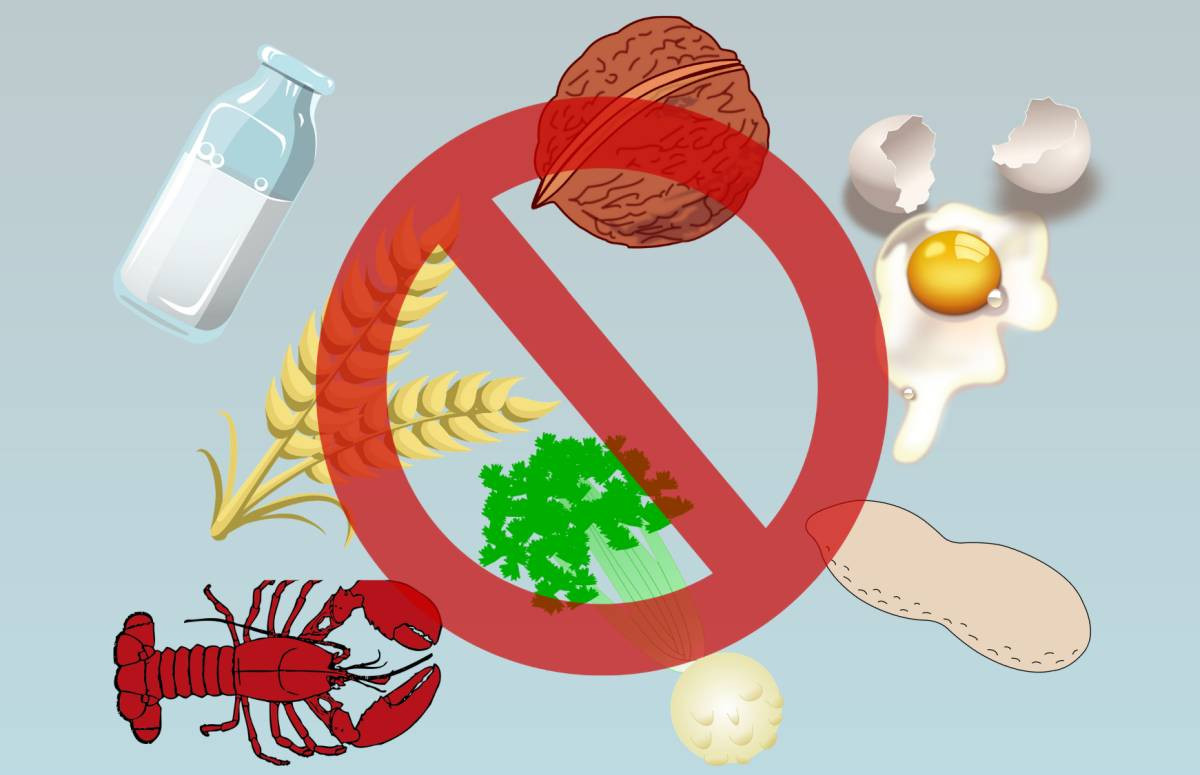
There are numerous situations when the immune system reacts excessively to ordinary situations. The result is a relatively common occurrence of allergic conditions in the population, characterized by excessive or altered humoral or cellular immunity. We know that under normal circumstances, an antibody binds to an antigen, forming a complex that is not biologically active. An allergic reaction occurs when the immune system reacts inappropriately intensively to such a complex.
An antigen that triggers an allergic reaction can have various origins:
- If it's an antigen of exogenous origin (foreign substance), it triggers an allergy.
- If it’s an antigen endogenous to the body, it results in an autoimmune disease.
Food allergies are an unwanted reaction to a particular food or food component, mediated by immune responses (the immune system perceives them as foreign substances and responds by producing antibodies). Causes of food allergies include:
- Foods themselves,
- Hidden allergens,
- Additives,
- Residues from protective substances, soil, or food packaging,
- Intermediates formed during improper storage of perishable foods.
Allergenic components in food are almost always proteins and glycoproteins.
Allergies are very often confused with the term "intolerance." There is a significant difference between them because intolerances are all sensitivities to foods where, unlike allergies, no immunological processes are involved. Food intolerances can also arise secondarily as a consequence of various diseases (e.g., digestive disorders, or absorption disorders due to infectious diarrhea, pancreatitis, liver disease).
There's also the concept of pseudoallergy (simplified as "sensitivity"), which refers to a situation where symptoms are the same as allergies, but without an immune response (antibody production). In pseudoallergies, the organism reacts to certain substances depending on their quantity, and the intensity of symptoms depends on the susceptibility and sensitivity of the organism. These are most often reactions to preservatives, dietary supplements, or substances in foods present in high concentrations (the most widespread is histamine intolerance, typical is also, for example, vitamin C overdose). Interestingly, pseudoallergies occur much more frequently than actual allergies.
Food allergies are divided into several types, differing even in the speed of symptom onset. "True" food allergies affect 6–8% of infants, 3-5% of young children, and 2-4% of adults.
Symptoms of food allergies vary, most commonly including:
Immunity can also react to the extent of anaphylaxis, which is life-threatening.
A typical symptom of food allergy is oral allergy syndrome (OAS). It appears 5-30 minutes after consuming food, characterized by itching of the palate, nasopharynx, lip swelling, blisters on the mucosa, and laryngeal swelling. It is most commonly caused by fruits (apples, peaches), vegetables (tomatoes, celery), spices, or airborne allergens (pollens).
The immune system can react intensely to any component in food or food itself, but the most common causes of food allergies are only a few foods, for which the European Union enacted a legal requirement for food retailers to list the most common allergens:
Treatment of food allergies involves:
- The elimination of allergenic food from the diet (so-called elimination diet).
The duration of elimination ranges from several months to sometimes even a lifetime. These diets should be handled carefully, especially with young children, where there is an increased need to ensure all essential nutrients for growth and development (risk of developing rickets or anemia). Generally, allergies that manifest in the first three years of life usually disappear quickly. Allergies that manifest after the third year tend to persist longer.
- Modifying the gut microbiota.
A crucial factor in the development of food allergies is the proper functioning of the immune system of the intestinal mucosa – known as GALT (gut-associated lymphoid tissue), which protects the organism against antigens entering the body with food (bacteria, viruses, protozoa, etc.). Sometimes it is possible to modify the diet to optimize the activity of the gut microbiota to reduce the absorption of allergens by the intestinal mucosa and alleviate or eliminate allergy symptoms.
Undoubtedly important is the finding that reducing the risk of allergies in the first two years of life is influenced by exclusive breastfeeding for 4 to 6 months. The relationship between the potential development of an allergic condition and early introduction of solid foods is also interesting. It appears that the delayed introduction of cow's milk protein and eggs until at least one year of age, fish until at least two years, and nuts until three years can prevent the onset of new food allergies in at-risk children.

Mgr. Martin Jelínek
Founder of NutriCourses, lecturer and author of the educational system in the field of nutrition. He has been systematically engaged in nutrition education since 1999. He is the author of the educational application ZOF and professional publications focused on nutrition and a healthy lifestyle.