
Author: Mgr. Martin Jelínek
Expertise: nutrition, education in nutrition
Last expert review: September 3, 2024

Metabolic syndrome is a term that is being discussed more and more frequently. The reason is not only that it affects an increasing portion of the population, but also because it is a syndrome. That is, not one specific health problem, but a set of several partial ones, which are also metabolically interconnected. Western medicine, which is very successful in (mainly thanks to modern medications) suppressing the symptoms of individual diseases, is unable to manage the issue of syndromes from its standardized treatment procedures because it simply has “no cure” for them. Meanwhile, solving metabolic syndrome is relatively simple, consisting of adhering to the rules of what is known as a healthy lifestyle.
Metabolic syndrome (also known as Syndrome X, or Reaven's syndrome) affects up to one quarter of the Czech population and poses a direct threat to life. From the perspective of modern medicine, it is defined by a spectrum of specific disorders and dysfunctions in the body (there are more than 35), the most important of which include:
abdominal obesity (apple-type obesity or male-type obesity),
elevated triglyceride levels,
reduced HDL cholesterol concentration,
hypertension (high blood pressure),
fasting hyperglycemia.
This syndrome thus provides a quality basis for the development and progression of atherosclerosis and other cardiovascular diseases, insulin resistance or type 2 diabetes.
In general, metabolic syndrome is more common in older individuals, but it is not necessarily a strict rule. Since the syndrome is accompanied by obesity, the proportion of affected people from the younger generation continues to grow.
There is often discussion about whether metabolic syndrome is hereditary. It has been found that the syndrome occurs more frequently in families that prefer junk food in their diet, that is, a dietary system with an excess of simple carbohydrates and fats, high glycemic values and a lack of proteins, and at the same time do not have a very enthusiastic attitude towards physical activity.
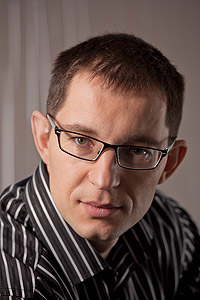
Mgr. Martin Jelínek
Founder of NutriCourses, lecturer and author of the educational system in the field of nutrition. He has been systematically engaged in nutrition education since 1999. He is the author of the educational application ZOF and professional publications focused on nutrition and a healthy lifestyle.