
Author: Mgr. Martin Jelínek
Expertise: nutrition, education in nutrition
Last expert review: September 3, 2024
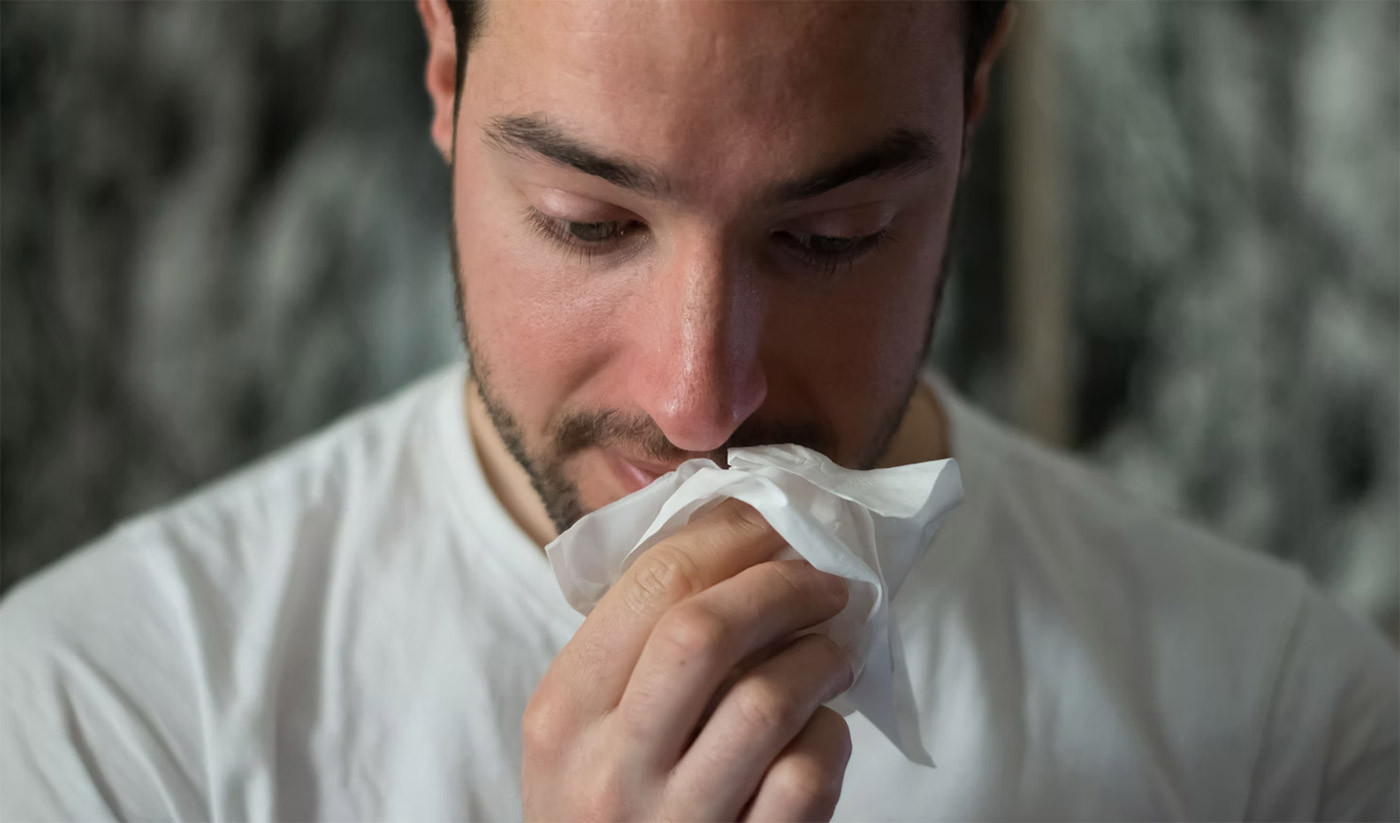
Many foods are claimed to increase mucus production, which in turn leads to various health issues. This lay and not entirely accurate notion causes a number of unnecessary complications when trying for rational nutrition.
What is the real situation with mucus production?
Mucus is a thick, gelatinous fluid produced by mucous glands on the mucous membranes of various organs in the body, predominantly on the mucosa of:
- The respiratory system - oral cavity, nose, throat, sinuses, bronchi, lungs,
- The digestive system - esophagus, stomach, intestines,
- The excretory and reproductive systems - in the reproductive organs, urinary bladder, and urinary tract.
The key function of mucus is to lubricate the mucosa and support the excretion of undesirable components (metabolic waste, dust, microorganisms, various allergens). This helps protect the body from infectious diseases and the respiratory tract from various allergens. Under normal circumstances, we do not notice mucus.
However, during infectious diseases, allergies, and other illnesses, increased mucus production occurs, a condition referred to as mucous build-up.
The most common occurrence is in:
- With respiratory infections and allergies.
These infections affect the respiratory system, manifesting as cough and rhinitis.
- In the digestive system.
A thick layer of mucus is created, which serves as a breeding ground for pathogenic microorganisms. This mixture makes nutrient absorption from the intestine difficult, shifts the acid-base balance adversely, and mucus can be found in the stool.
- In the urinary tract.
Mucus appears in the urine, promoting infections in the urinary system.
It is important to know that mucus is an ideal breeding ground for various pathogenic microorganisms. Increased mucus production is very often linked to the development of inflammations.
Increased mucus production most commonly occurs due to an immoderate response of the mucosa to any substance. These reactions are caused by the immune system (but they do not necessarily have to be an allergic reaction) based on:
1. Direct reaction.
This most often includes:
- dust or pollen on the mucosa of the respiratory system,
- food allergens,
- smog,
- smoking,
- dry air,
- using certain medications...
2. Secondary reaction.
As a manifestation of an acid-base balance disorder, in which diet also plays a role (leading to the development of an inflammatory environment, to which the mucosa responds with increased mucus production as a protective layer).
In practice, it is difficult to always determine the exact cause. The fact is that the emergence of this problem may or may not be related to diet. If you do seek a culprit in your diet, you are in for detective work, as there is no test that can conclusively prove that any food or substance it contains is responsible for increased mucus production. However, on a population level, it most often involves:
A) Common allergens.
Dairy and soy products, gluten, eggs, certain nuts and seeds - peanuts, sesame...
B) Processed foods - pre-packaged foods, food containing certain additives.
There are many folk remedies or tips and tricks aimed at reducing the manifestations of mucus build-up. The problem with these is that they are taken out of context and may not necessarily mean a solution to the situation - drinking water with lemon, eating fresh vegetable salads, ginger, garlic, spicy seasonings (pepper, chili peppers), gargling with saline water, etc.
Western medicine also offers accompanying solutions for mucus build-up situations in the form of certain medications:
1. Decongestants.
These medications reduce swelling of nasal mucosa, thin mucus, and help clear clogged airways (commonly in the form of nasal sprays and drops).
2. Expectorants.
These medications facilitate the removal of mucus from the respiratory tract. Most often, mucolytics (e.g., for bronchitis) are used.
3. Antibiotics.
They are prescribed only in cases where mucus build-up is caused by bacterial infection. Antibiotics do not act directly against excessive mucus production but eliminate the bacteria causing these problems.
Diet modifications in situations of increased mucus production should ideally focus on:
- Eliminating foods that are "typically" mucogenic,
- Replacing industrially processed foods with quality and fresh ones,
- Significantly reducing sugar intake,
- Adjusting the ratio of macronutrients towards balance.

Mgr. Martin Jelínek
Founder of NutriCourses, lecturer and author of the educational system in the field of nutrition. He has been systematically engaged in nutrition education since 1999. He is the author of the educational application ZOF and professional publications focused on nutrition and a healthy lifestyle.