
Author: Mgr. Martin Jelínek
Expertise: nutrition, education in nutrition
Last expert review: September 3, 2024
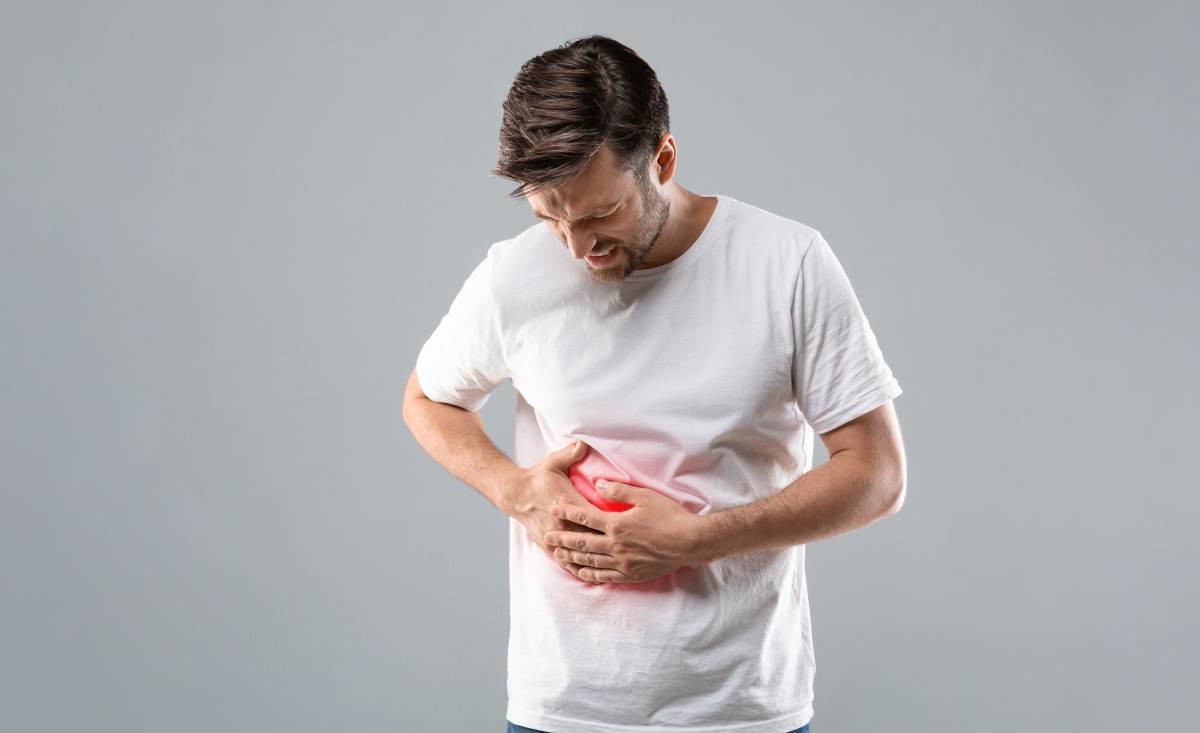
The liver is a key organ in the body where a vast amount of chemical reactions occur. Like other organs in the body, the liver is subject to various diseases, and in relation to lifestyle, the most common is non-alcoholic fatty liver disease, known as steatosis. In the Czech Republic, it is estimated that approximately 15-52% of the population suffers from this problem. Simply put, steatosis occurs when there is excessive accumulation of fat in liver cells. There are several causes for this problem:
1. Excessive energy intake.
As overweight increases, so does the likelihood of developing steatosis.
2. Inappropriate ratio of major nutrients.
The most common is an excess of fats.
Generally, it is stated that the risk of developing steatosis increases in situations where the share of fats exceeds 30 percent of the total energy intake.
Furthermore, there is a significant prevalence of saturated and trans fatty acids.
For saturated fats, it is necessary to monitor their ratio to unsaturated forms (the optimal is 1:2). Unfortunately, in EU countries, there is no possibility to monitor the content of trans fatty acids in foods.
High intake of carbohydrates in the diet.
This involves not only the overall share of carbohydrates, but much more impact comes from sugar consumption. The biggest problem in recent years has been fructose, primarily found in sweetened drinks.
High intake of proteins.
An excess of proteins has the ability to overload the liver under certain conditions, so it is generally recommended that their intake be targeted at an amount up to 20% of energy, or a range of 1-1.5 g per 1 kg of body weight.
3. Obesity.
In cases of severe obesity over 40 BMI, the disease is diagnosed almost always. When body weight is increased by 40% over the normal weight limit, the prevalence is around 70%. It is stated that in half of obesity cases, steatosis can progress to fibrosis (scarring of tissue) or liver cirrhosis.
4. Type 2 diabetes.
The likelihood of developing liver steatosis in type 2 diabetics is at least 30%.
5. Hyperlipidemia.
Approximately 65% of people affected by steatosis have excessive concentrations of fat in their blood serum.
6. Absence of physical activity.
This is an indirect factor that significantly affects the energy balance and contributes to an increase in body weight.
7. Oxidative stress.
Also an indirect, but simultaneously ubiquitous factor, which has the ability to amplify the impacts of a nutritionally unbalanced diet.
8. Steroid hormones.
These involve situations of treating certain diseases. However, they are increasingly appearing in athletes who use these substances as doping to an inappropriate extent.
9. Estrogens.
This situation pertains virtually only to the female population, in relation to the use of contraceptives.
10. Rapid weight loss.
In cases of rapid weight manipulation, there is overload of the liver and increased fat storage.
In addition to non-alcoholic steatosis, there is also alcoholic steatosis, which occurs from the consumption of alcohol in larger amounts. It is stated that with an intake of 60g of alcohol per day, alcoholic steatosis develops in up to 90% of consumers.
Diet modification (= liver diet) is based on the implementation of basic principles of rational eating, which should aim at achieving metabolic balance.
It involves:
- Control of energy balance.
In the vast majority of cases, the aim is weight reduction; the balance should therefore be negative.
- Correct ratio of macronutrients.
The standard high-carbohydrate concept is most often presented, in which the carbohydrate share ranges from 45-60% of total energy intake, proteins 15-20%, and fats 20-30%.
- Choice of quality foods.
Quality primarily refers to industrially unprocessed foods with minimal additives and an appropriate amount of salt.
- Ensuring sufficient micronutrients.
The foundation is a variety in food choice and preference for fresh and industrially unprocessed foods, which are presumed to contain sufficient vitamins, minerals, and phytochemicals.

Mgr. Martin Jelínek
Founder of NutriCourses, lecturer and author of the educational system in the field of nutrition. He has been systematically engaged in nutrition education since 1999. He is the author of the educational application ZOF and professional publications focused on nutrition and a healthy lifestyle.