
Author: Mgr. Martin Jelínek
Expertise: nutrition, education in nutrition
Last expert review: September 3, 2024
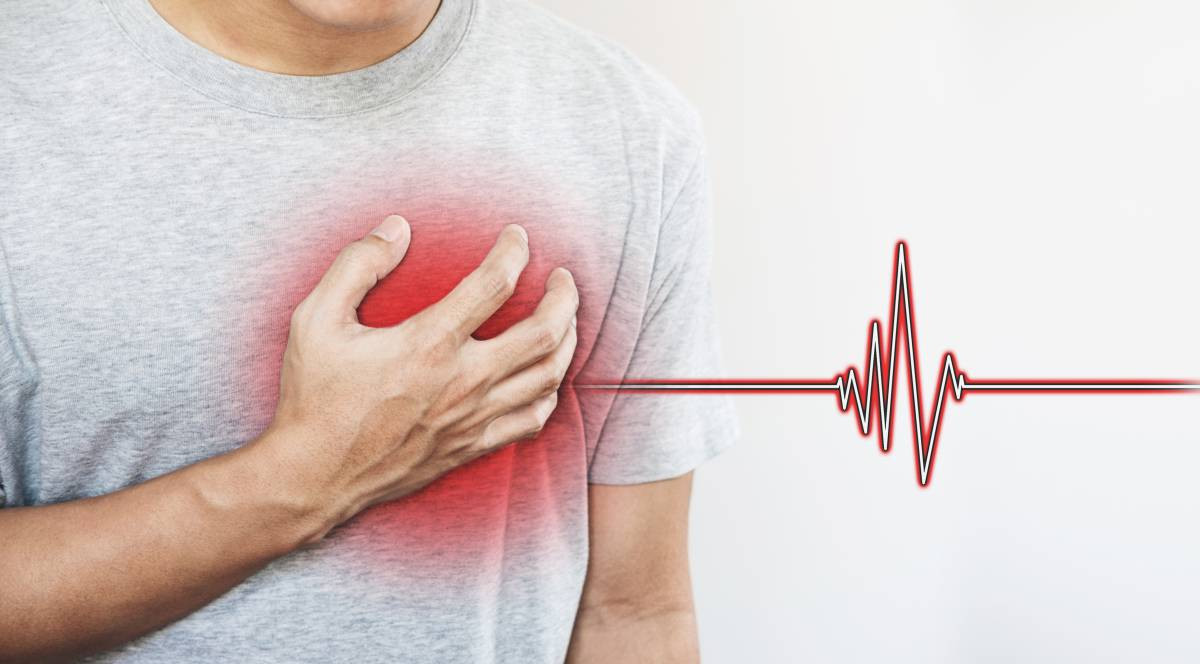
Atherosclerosis is a long-term disease caused by the deposition of so-called atherogenic substances (lipids, carbohydrates, blood cells, and calcium) into the artery wall. Over time, there is a gradual narrowing of the artery, a reduction in its elasticity, and a decrease in blood flow (thus increasing, among other things, blood pressure).
These changes in the structure of the blood vessels form the basis of processes leading to the most common complications - coronary artery disease (CAD), stroke (CVD), or peripheral arterial disease (PAD):
1. Stroke.
Often referred to as a stroke, it is a consequence of atherosclerosis. Due to a blocked blood vessel, blood flow to part of the brain is reduced, and due to insufficient oxygen and nutrient supply, brain damage occurs. This is a serious problem because the brain (or its parts) ceases to function after just a few minutes without oxygen supply.
2. Deep vein thrombosis.
Occurs in the deep veins of the lower limbs as a result of thrombosis (a blood clot = thrombus forms and blocks the vein). It mostly affects the deep veins of the calves, less commonly the femoral and pelvic veins. It is often accompanied by inflammation (thrombophlebitis).
3. Chronic limb ischemia.
Occurs in the lower limbs due to blocked blood vessels (thrombosis). A typical symptom is walking-induced pain, most often in the calf, which quickly subsides upon stopping. Because the limb is not sufficiently supplied with blood, it is cold and has a weak pulse. This condition is most common in diabetics and smokers.
Atherosclerotic processes can occur at any age, even in the prenatal stage. It is important to know that:
- They proceed gradually and slowly,
- They are accompanied by inflammation,
- The main impact is due to lack of exercise, smoking, and poor dietary conception,
- We have the opportunity to control these changes by modifying our lifestyle.
The concept of diet has a direct impact on the onset and development of atherosclerotic processes. The most significant factors include:
1. Quality of food.
It is important to learn to recognize the difference between natural raw materials without unnecessary technological modifications and ultraprocessed foods, which are either deprived of essential components or enriched with undesirable substances (salt, additives, trans fats, sugars).
2. Energy balance.
The development of atherosclerotic changes is also supported by a too-high intake of energy.
3. Adequate fiber.
Fiber is a source of nourishment for probiotic microorganisms in the intestines. The gut microbiota affects, among other things, the metabolism of cholesterol, which in the case of increased oxidation, deposits in blood vessels.
4. Increased intake of antioxidants.
A sufficient intake of antioxidants suppresses the oxidative activity of free radicals, which are part of the process of plaque deposition into the arterial walls.
5. Monitoring the quality of fats.
Atherosclerotic processes are long-term supported by a high intake of saturated fats, trans fatty acids, and an increased ratio of omega-6 to omega-3 fats.
6. Reducing consumption of animal foods.
An excessively high proportion of animal proteins and fats combined with a lack of fiber and antioxidant factors increases metabolic load, which supports atherosclerotic processes.

Mgr. Martin Jelínek
Founder of NutriCourses, lecturer and author of the educational system in the field of nutrition. He has been systematically engaged in nutrition education since 1999. He is the author of the educational application ZOF and professional publications focused on nutrition and a healthy lifestyle.