
Author: Mgr. Martin Jelínek
Expertise: nutrition, education in nutrition
Last expert review: September 3, 2024
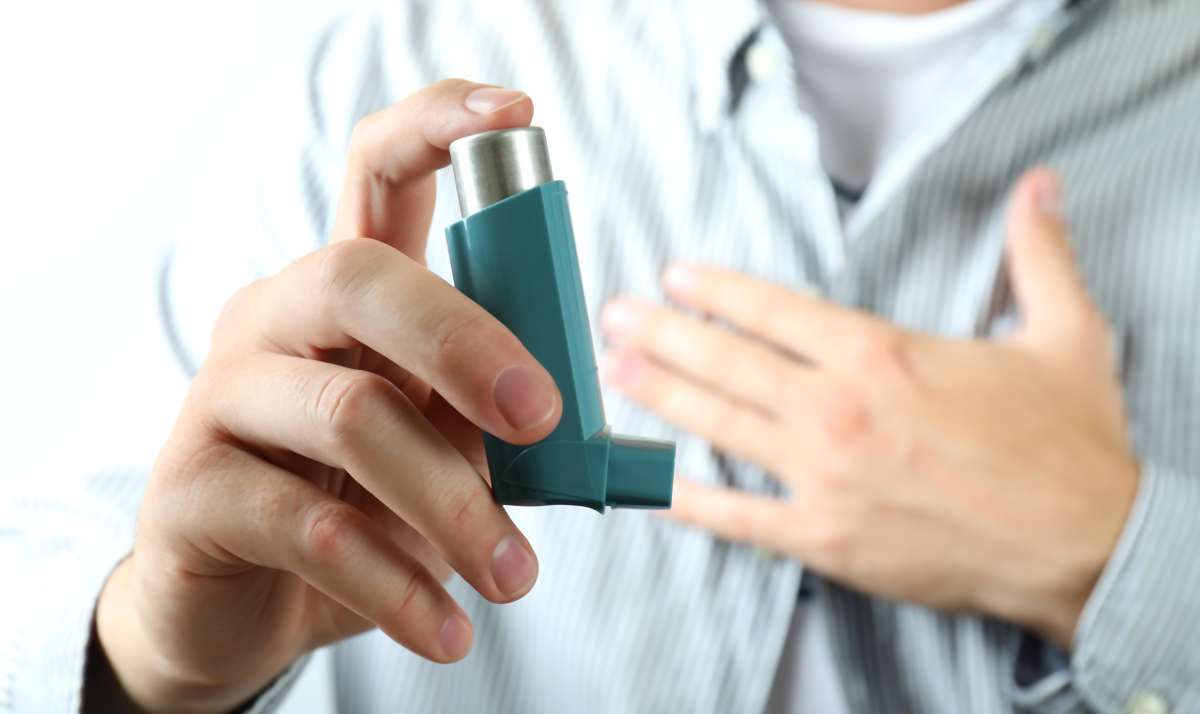
Asthma is a condition in which the mucous membrane in the lower airways swells. As a result, they narrow, airflow is restricted, and breathing worsens. Asthma is most commonly manifested by wheezing or whistling breathing, coughing, insomnia, and tension. If there is a greater release of histamine, an asthma attack occurs, during which swelling, inflammation, and strong mucus secretion increase.
The cause of this problem is both external and internal factors, and some patients are sensitive to both.
Among the external causes are allergens:
Internal causes are more challenging to identify in practice and include:
By adjusting lifestyle, it is possible to directly influence the frequency and severity of asthma attacks.
The concept of diet has a crucial influence on the onset and progression of this condition, and various factors are considered:
- It is important to avoid foods that trigger allergies in asthmatics.
- It is significant to monitor the proportion of magnesium in the diet, which has relaxing effects and prevents bronchial muscle contractions.
At the same time, it is necessary to observe the ratio of this element to calcium, which is its antagonist. The diet should regularly include foods rich in magnesium – whole grain products, broccoli, nuts, chocolate, sunflower and pumpkin seeds, spinach...
- The intake of vitamin A is increased, which has a regulating effect on immune protection and supports the reduction of antibodies.
This involves the presence of carrots, spinach, fruits, fish oils, butter, dairy products, or egg yolks on the plate.
- Vitamin C plays a significant role, having a beneficial effect on the functionality of the respiratory tract and preventing bronchial constriction caused by histamine.
Its key sources are in raw vegetables and fruits.
- The choice of selected dietary supplements also makes sense, among the most important are the already mentioned vitamin C (best combined with bioflavonoids), quercetin which prevents the release of histamine, omega-3 due to their anti-inflammatory effects, or preparations containing licorice, which supports expectoration.

Mgr. Martin Jelínek
Founder of NutriCourses, lecturer and author of the educational system in the field of nutrition. He has been systematically engaged in nutrition education since 1999. He is the author of the educational application ZOF and professional publications focused on nutrition and a healthy lifestyle.