
Author: Mgr. Martin Jelínek
Expertise: nutrition, education in nutrition
Last expert review: September 3, 2024
Tetany is an issue that troubles a large number of people, most of whom are unaware that it is indeed tetany. Its manifestations can not only diminish quality of life but also, in some situations, seriously endanger health. However, prevention and solution of this problem are very simple.
In reality, it is a syndrome characterized by a significantly reduced level of magnesium in the body. It results in increased irritability of the neuromuscular system, leading primarily to a tendency for cramps (referred to as the latent form) or various convulsive states (the manifest form). The latent form is more widespread, giving signs, besides muscle cramps, particularly through itching, tingling, or burning in the fingers, palms, soles, and tongue, involuntary muscle twitches, irritability, headaches, dizziness, or concentration disorders.
Women are more frequently affected than men, mostly individuals between twenty and thirty years old. Athletes experience significant distress with tetany, as even the latent form of tetany can hamper their efforts to achieve adequate sports performance.
There are numerous factors that trigger this situation:
The most commonly cited causes are low levels of free blood calcium, which are caused, for example, by a deficiency of magnesium, vitamin D, or improper functioning of the parathyroid glands. Furthermore, it includes the use of certain medications that affect magnesium metabolism, most commonly diuretics, corticosteroids, and laxatives.
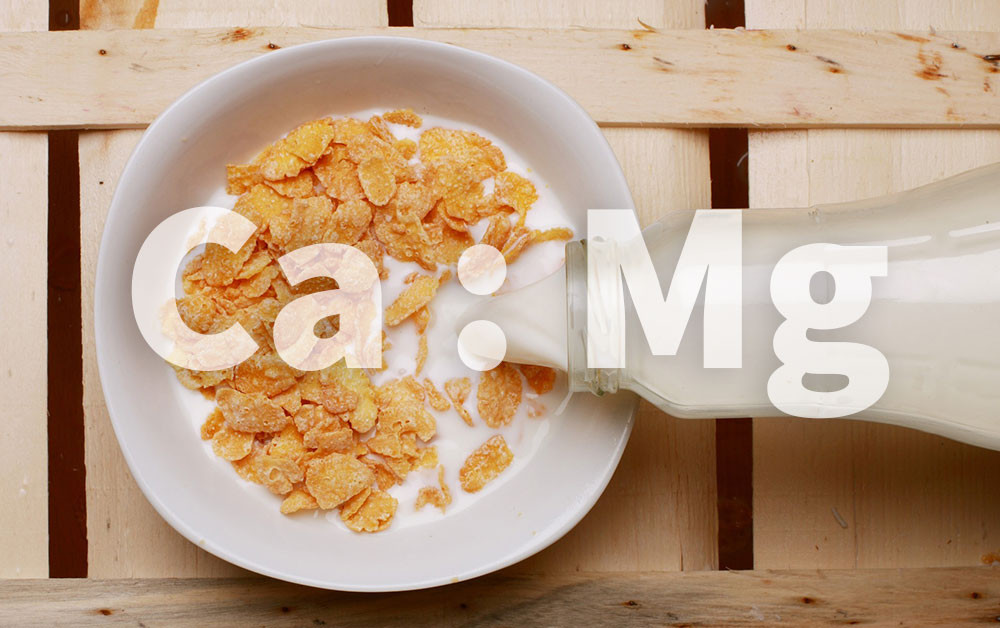
The solution to the situation in relation to dietary adjustment is not an increased intake of magnesium, as is commonly presented and practiced (usually in the form of supplementation). It is crucial to focus primarily on ensuring the correct ratio of calcium to magnesium. Both elements determine the quality of neuromuscular coordination; therefore, their mutual ratio in the diet is important, as it will reflect in the level of metabolization of each. Hence, if there is too much calcium in the diet (relative to magnesium), tension levels will increase, while in the opposite ratio, the organism will move towards greater relaxation.

Mgr. Martin Jelínek
Founder of NutriCourses, lecturer and author of the educational system in the field of nutrition. He has been systematically engaged in nutrition education since 1999. He is the author of the educational application ZOF and professional publications focused on nutrition and a healthy lifestyle.