
Author: Mgr. Martin Jelínek
Expertise: nutrition, education in nutrition
Last expert review: September 3, 2024
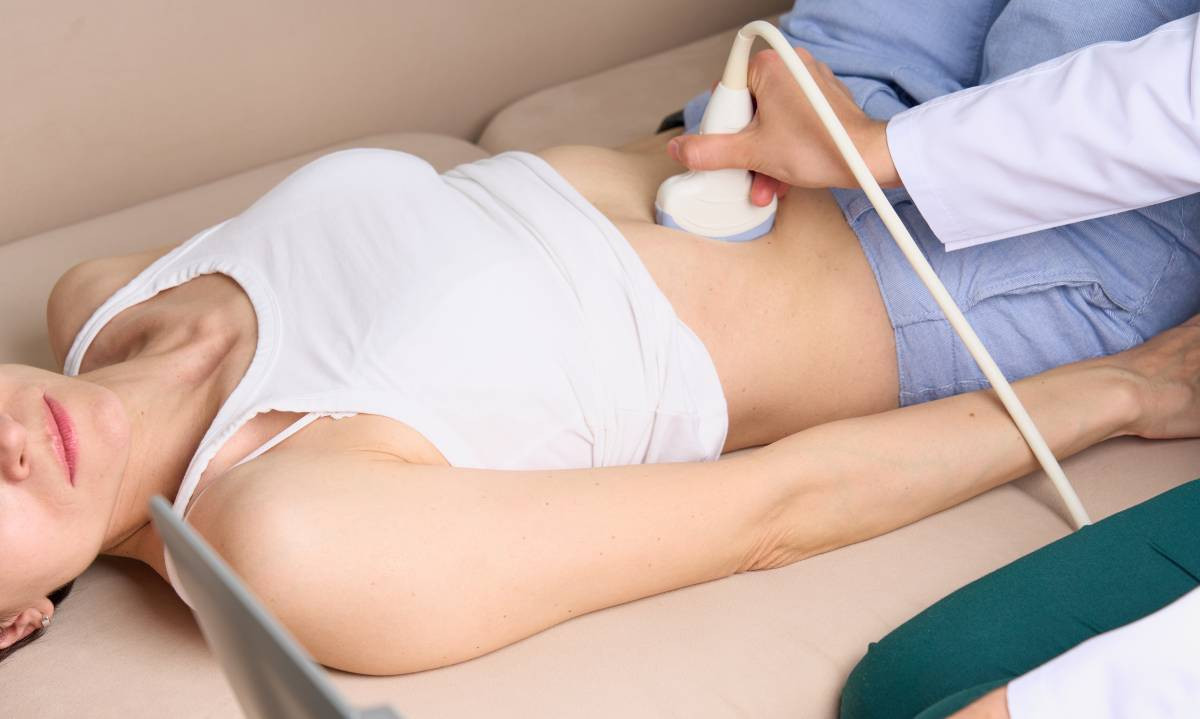
Gallbladder function disorders are among the modern-day diseases associated primarily with dietary excess and improper diet composition. The most widespread problem is inflammation of the gallbladder, also known as cholelithiasis.
Its occurrence and distribution are "interesting" - it affects not only the western part of civilization, whose diet is typically characterized by excess, but it is also widespread in developing countries, where most of the population suffers from hunger (in Europe, it is reported that 40-50% of adults are affected). Women (over 40 years old) are affected 2-3 times more often, with a correlation suggested with the influence of estrogen. In the Czech Republic, over one million people suffer from cholelithiasis (43% of women and 28% of men over the age of 50).
Some microorganisms cause inflammation by creating an infection in the gallbladder. They reach the gallbladder through:
- the small intestine (Escherichia coli),
- the blood (streptococci).
However, gallstones play a key role in the development of cholecystitis. These are deposits most often of cholesterol or calcium bilirubinate. They form over a number of years and begin to cause problems when they remain in the neck of the gallbladder and block the outflow of bile. This condition manifests as inflammation, infection, and pain. If the stones are located in the gallbladder, the condition is referred to as cholecystolithiasis. If they are located in the bile ducts, it is known as choledocholithiasis. The stones are generally small (in millimeters), but they can grow to several centimeters in size. Their number can also vary.
The exact causes of gallstone formation are unknown, but we are aware of factors that contribute most to their development:
1. Genetics.
2. Demographics.
The prevalence of gallstones is high in Northern and Central Europe, North and South America. In contrast, it is relatively low in Asia, Africa, and the Pacific.
3. Age.
The risk of gallstone formation increases with age in both sexes, with diagnosis most commonly occurring in the fifth and sixth decades of life.
4. Gender.
Women are more frequently affected. Increased stone formation during puberty and a decrease after menopause is explained by hormonal changes (mainly estrogen and progesterone).
5. Pregnancy.
The risk significantly increases for women who have undergone three or more pregnancies. The risk of occurrence is lower if the first pregnancy occurs after 30 years of age.
6. Hormonal treatment.
The risk of cholelithiasis increases 2-2.5 times with the use of older types of hormonal contraception. Similarly, the risk rises during menopause with estrogen treatment and in men with prostate cancer treated with estrogen.
7. Obesity.
In obese individuals, the risk of occurrence is 3-4 times higher than in similarly aged people with normal weight. In the morbidly obese, it is up to 6 times higher.
8. Weight-loss diets.
There is a noted relationship between increased gallstone formation during rapid weight loss - stones form in about half of those losing weight.
9. Disease states.
The most common conditions include:
10. Medications.
The most well-known effect is from certain hypolipidemic agents, which increase bile saturation with cholesterol or disrupt the circulation of bile acids.
Gallbladder inflammations are divided into:
1. Acute (short-term),
2. Chronic (long-lasting).
Inflammation typically manifests with fever and pain in the gallbladder area, with nausea and vomiting being common.
The treatment of inflammation consists of:
- diet,
- the use of cold compresses,
- medication to relieve gallbladder contractions,
- surgical removal of the gallbladder (cholecystectomy).
In dietary adjustments for gallbladder problems, it is important to distinguish whether it is an acute inflammation or a chronic phase of the problem. The gallbladder diet in the acute phase involves strict rules. However, in the chronic course, they are significantly milder, addressing:
1. Energy balance.
Energy intake should be balanced with expenditure, with a reduction regime recommended only for the obese.
2. Adjustment of the quantity and quality of fats.
Plant-based fats are preferred, aiming to ensure appropriate ratios between monounsaturated and polyunsaturated fatty acids. To preserve their stability, it is advisable to avoid significant thermal preparation. Sources of overheated fats are also excluded.
3. Meal frequency.
The best prevention of gallbladder inflammation is regular emptying of its contents. Regular division of daily meals and a higher number of smaller portions is therefore preferred.
4. Choice of suitable foods and their preparation.
Meals are prepared to avoid unnecessarily irritating digestion. It is necessary to avoid certain foods containing hard skins, woody parts, pits or seeds, as well as spicy spices, concentrated sources of sugar, salt, acids, alcohol, or CO2.
Strong broths and meat stock soups, crusts formed during baking, excessively hot or, conversely, cold dishes and beverages are often also inappropriate.

Mgr. Martin Jelínek
Founder of NutriCourses, lecturer and author of the educational system in the field of nutrition. He has been systematically engaged in nutrition education since 1999. He is the author of the educational application ZOF and professional publications focused on nutrition and a healthy lifestyle.