
Author: Mgr. Martin Jelínek
Expertise: nutrition, education in nutrition
Last expert review: September 3, 2024
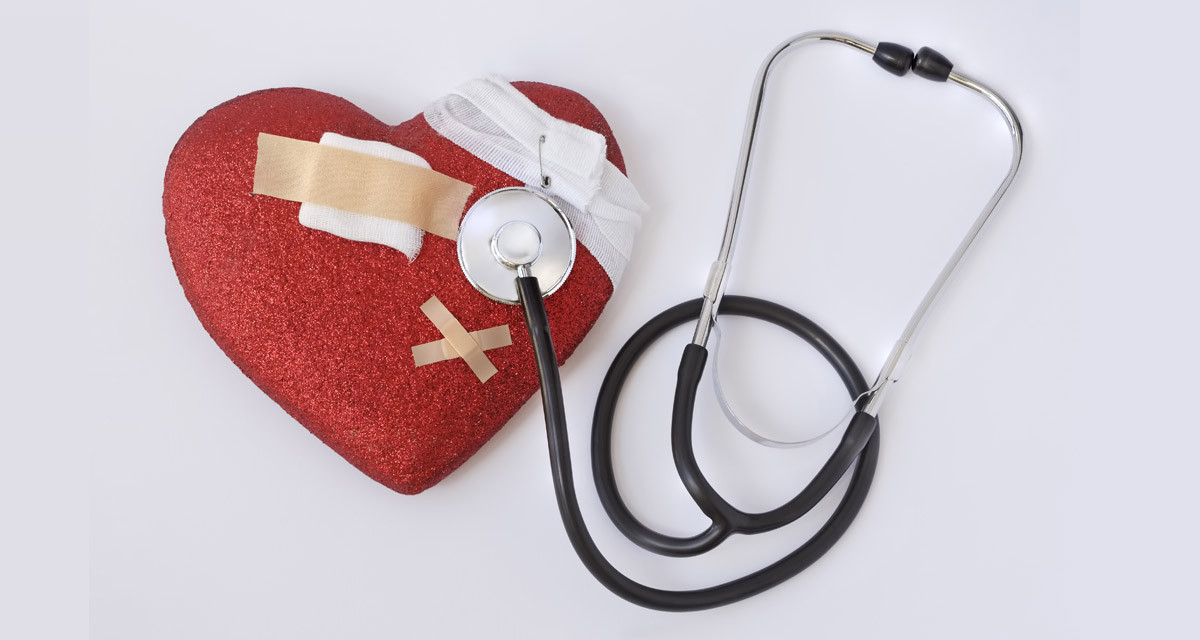
Cholesterol is a substance whose importance is often cited in relation to human health, especially in cardiovascular diseases. We consume a small amount of cholesterol from animal foods (the richest sources are offal and eggs), but the vast majority (approximately 90 – 95%) is produced by the body itself (in the liver). If, for any reason (dietary restrictions), we do not intake any cholesterol, the body has the ability to increase its own production, so in fact, there is no risk of deficiency.
Cholesterol is a starting substance for the production of certain hormones. It is an essential component of bile acids, without which food cannot be digested, and among other things, it also leads to the production of vitamin D. Furthermore, it helps the body process fats and is also a key component in the formation of cell membranes. In the blood, it is transported by substances called lipoproteins. According to their density, they are divided into:
1. High-density lipoproteins – referred to as HDL (high density lipoprotein),
2. Low-density lipoproteins - LDL (low density lipoprotein),
3. Very low-density lipoproteins – VLDL (very low density lipoprotein).
The medical field generally presents the need to monitor not only the level of total cholesterol but also the ratios of HDL and LDL.
The main role of LDL cholesterol is to transport this substance from the blood to the surrounding tissues, while the goal of the HDL carrier is to remove excess cholesterol to the liver, where it is metabolized. An excess of LDL relative to HDL is easily oxidized and has the ability to preferentially deposit into so-called atherosclerotic plaques in the vessel walls, which leads to atherosclerosis (= hardening of arteries and vessels). This narrows the vessels and results in circulation disorders, which may result in a heart attack or stroke. For these reasons, LDL cholesterol is commonly referred to as "bad" or "evil," whereas HDL cholesterol is known as "good."
Metabolic disorders of cholesterol (including its overall excess and increased levels of LDL) can be easily managed by adjusting lifestyle, as the body can respond very flexibly to a properly set regime. The foundation is regular exercise, with aerobic activity being preferable. Simultaneously, it is crucial to control stress manifestations.
In the diet, several factors have a proven impact:
Limiting the consumption of cholesterol sources.
This applies mainly to offal and eggs (egg yolk). However, the mere reduction of cholesterol intake alone often does not resolve the situation.
Reducing the intake of foods that increase oxidation.
This is particularly true for sources of overheated fats (= fried foods) and excess sugars (= sweets).
Sufficient intake of antioxidants.
Their increased intake reduces oxidation manifestations, which prevents higher amounts of LDL cholesterol from undergoing this process and supporting the formation and deposition of fat plaques in arteries and vessels. Key sources are vegetables, fruits, sprouted foods, or appropriately selected dietary supplements.
Increased intake of fiber.
This applies not only to fiber as a whole but particularly to the soluble form, which significantly affects (= lowers) the cholesterol level in the blood. In the diet, this involves the regular presence of selected types of vegetables, fruits, legumes, and whole grains.
Adjusting the ratios of certain fats.
This mainly involves increasing the intake of omega-3 fats while simultaneously reducing the proportion of omega-6. The mutual ratio of these fatty acids is commonly used as an indicator of the quality of the diet set under conditions of elevated cholesterol and blood lipid levels.

Mgr. Martin Jelínek
Founder of NutriCourses, lecturer and author of the educational system in the field of nutrition. He has been systematically engaged in nutrition education since 1999. He is the author of the educational application ZOF and professional publications focused on nutrition and a healthy lifestyle.