
Author: Mgr. Martin Jelínek
Expertise: nutrition, education in nutrition
Last expert review: March 21, 2022
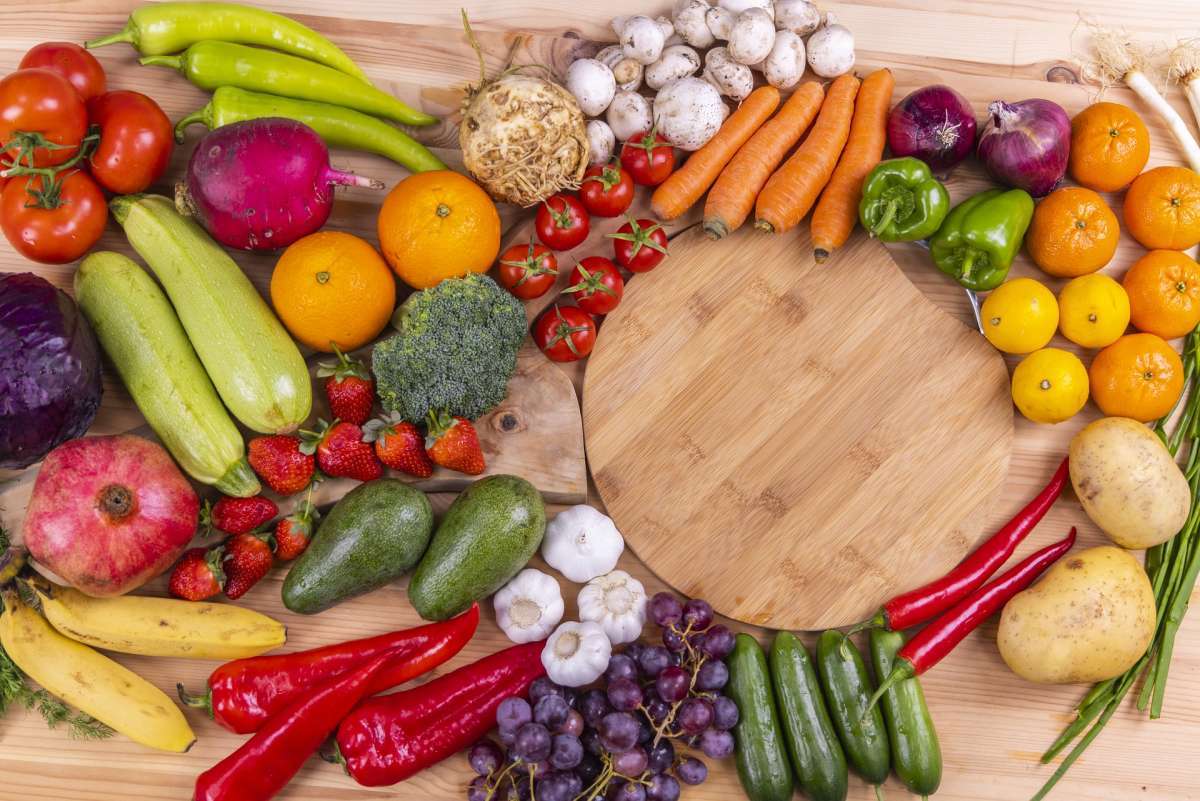
Dementia is a mental illness that affects certain brain functions and manifests as an impairment of intellect, memory, and personality. The most common cause is Alzheimer's disease, with the main risk factor being age. This issue is being increasingly discussed as the number of seniors in the population grows, leading to a higher incidence rate.
The treatment of dementia is approached comprehensively. Non-pharmacological interventions mainly involve cognitive training, while pharmacological treatment involves administering substances that improve perception, learning, and memory (often these are acetylcholine precursors, like lecithin), which have been shown to successfully alleviate symptoms and slow the progression of the disease. [1]
Dementia also causes an increased production of free radicals in brain tissue, which damage it. Thus, part of the supportive treatment is also increasing the intake of antioxidants, which help reduce oxidative stress. [2]
Interesting findings on the relationship between nutrition and the development of dementia were brought by research from scientists at the University of Tsukuba in Japan, who focused on the influence of fiber. This dietary component is generally known to be essential as a nutritional source for probiotic microorganisms in the intestines, affects the functioning of the digestive system, and can lower cholesterol levels in the blood. [3]
The Japanese study found that a higher amount of fiber in the diet is associated with a lower risk of developing dementia.
Since fiber consists of soluble and insoluble components, the difference in impact between the two fractions was further studied. It turned out that the relationship between fiber intake and dementia was more pronounced with soluble fiber. [4]
It is assumed that the reason for this influence is the prebiotic effects of soluble fiber, affecting the diversity and behavior of the gut microbiota, which through its activity can suppress neuroinflammation that plays a role in the onset of dementia.
The results of this research may provide a good argument for efforts to increase fiber intake in the diet. The recommended fiber intake for men is above 35 g, and for women above 30 g per day, but the amount on an average daily plate for most people in modern society does not reach even half those values.
The most frequently cited significant sources of fiber are fruits and vegetables, but in fact, whole grain products, nuts, and seeds are considerably richer sources.
Which readily available sources of fiber are most often missing on seniors' plates?
50 g (1 krajíc)
Vláknina:
Vl. rozpustná:
Bread appears most frequently in the diet, so it's advantageous to know how to choose the right type. The advantage of rye is its high content of both total and soluble fiber, while sourdough brings greater variability to the fermentation process and with it an impact on the food's digestibility.
100 g (1/2 šálku)
Vláknina:
Vl. rozpustná:
Among gluten-free foods, buckwheat stands out as a significant source of soluble forms of fiber.
50 g (1/4 šálku)
Vláknina:
Vl. rozpustná:
Chickpeas, as a representative of legumes, boast a high content of soluble fiber, and unlike, for instance, beans, do not cause as many issues with flatulence.
50 g (1/4 šálku,2/3 kusu)
Vláknina:
Vl. rozpustná:
Onions are significant sources of inulin (a representative of soluble forms of fiber functioning as a very "popular" prebiotic). Although there are richer sources (such as chicory, dandelion, or burdock root), onions are much more accessible and have broader use in recipes.
30 g (3 polévkové lžíce,1 kus)
Vláknina:
Vl. rozpustná:
Apples are one of the most accessible fruits in temperate zones. Fresh and dried, they contain the same amount of pectins - soluble types of fiber.
20 g (1 1/2 polévkové lžíce)
Vláknina:
Vl. rozpustná:
Chia seeds, although exotic in many countries, are generally well accessible. Besides a record content of omega-3 fats, they also provide an extremely high concentration of soluble fiber.

Mgr. Martin Jelínek
Founder of NutriCourses, lecturer and author of the educational system in the field of nutrition. He has been systematically engaged in nutrition education since 1999. He is the author of the educational application ZOF and professional publications focused on nutrition and a healthy lifestyle.