
Author: Mgr. Martin Jelínek
Expertise: nutrition, education in nutrition
Last expert review: September 3, 2024
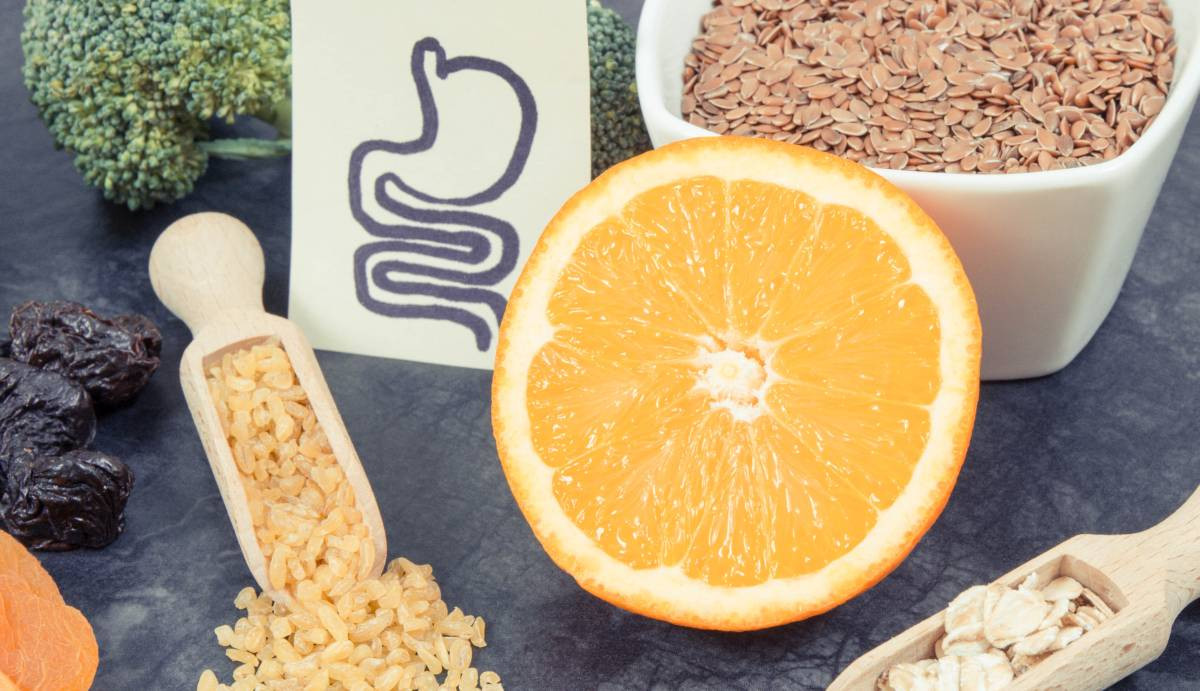
Candidiasis refers to the excessive activity of the yeast Candida albicans in the intestines, blood, and organs. This parasitic yeast normally lives in the intestines, genital organs, oral cavity, esophagus, and throat in balance with other bacteria, with overgrowth primarily occurring in situations of a weakened immune system (stress, medication use, higher alcohol consumption, excess sugars in the diet, disease, etc.).
The symptoms of this condition are general, and it is usually difficult to determine an exact diagnosis without a detailed examination. It commonly manifests as:
Candidiasis affects people of all generations, and its treatment can be time-consuming due to incorrect diagnosis. Modern medicine most often focuses on administering antibiotics and antifungal and anti-yeast drugs.
For the treatment of candidiasis to be successful, it should be comprehensive and include multiple therapeutic approaches. If antibiotic use is necessary, it is important to restore the natural intestinal microbiota and strengthen the immune system. These approaches are well known in the diet:
- Increasing the intake of prebiotics,
- Regular consumption of fermented foods as a source of probiotics (excluding foods containing sugars, including lactose, as candida feeds on them),
- Supportive supplementation with probiotics and prebiotics.
A so-called anti-yeast diet is also presented, with its general principles as follows:
1. Exclusion of problematic (= pro-inflammatory) foods:
- Sources of sugar,
- Alcohol,
- White flour,
- Yeast,
- Sources of starch (potatoes, sweet potatoes, cereals).
2. Increasing intake of foods with anti-yeast effects or that support the immune system:
- Leafy greens and green foods.
They increase pH (= counteract acidity caused by yeast overgrowth).
- Fermented foods.
Except for sweetened ones (kombucha, some sweet dairy products). They support the activity of the intestinal microbiota, are a source of short-chain fatty acids (SCFA), which support the immune system and balance acid-base reactions in the intestinal tract.
- Garlic, onion.
They contain substances with a high sulfur content with antibiotic effects. They are also rich sources of prebiotics (inulin), which nourish probiotic cultures in the intestines (these, in turn, can suppress candida activity).
- Coconut oil.
Has antimicrobial properties (lauric and caprylic acids kill yeast).
- Apple cider vinegar.
The acids and enzymes in this vinegar help kill yeast.
- Flaxseeds and chia seeds.
Contain polyphenols, which promote the growth of probiotics in the digestive tract. These should be consumed ground thoroughly.
- Turmeric.
Contains curcumin, which suppresses the proliferation of candida.
- Bone broths.
Are a source of proteins and minerals in a form that is an excellent nutritional source for some intestinal microorganisms.
- Unfiltered cold-pressed oils.
Contain bitter compounds and antioxidants, which suppress acid-forming reactions in the body and support the immune system.
Supportive supplementation includes a range of products containing substances with antibiotic effects. Among the most beneficial are:

Mgr. Martin Jelínek
Founder of NutriCourses, lecturer and author of the educational system in the field of nutrition. He has been systematically engaged in nutrition education since 1999. He is the author of the educational application ZOF and professional publications focused on nutrition and a healthy lifestyle.