
Author: Mgr. Martin Jelínek
Expertise: nutrition, education in nutrition
Last expert review: September 3, 2024
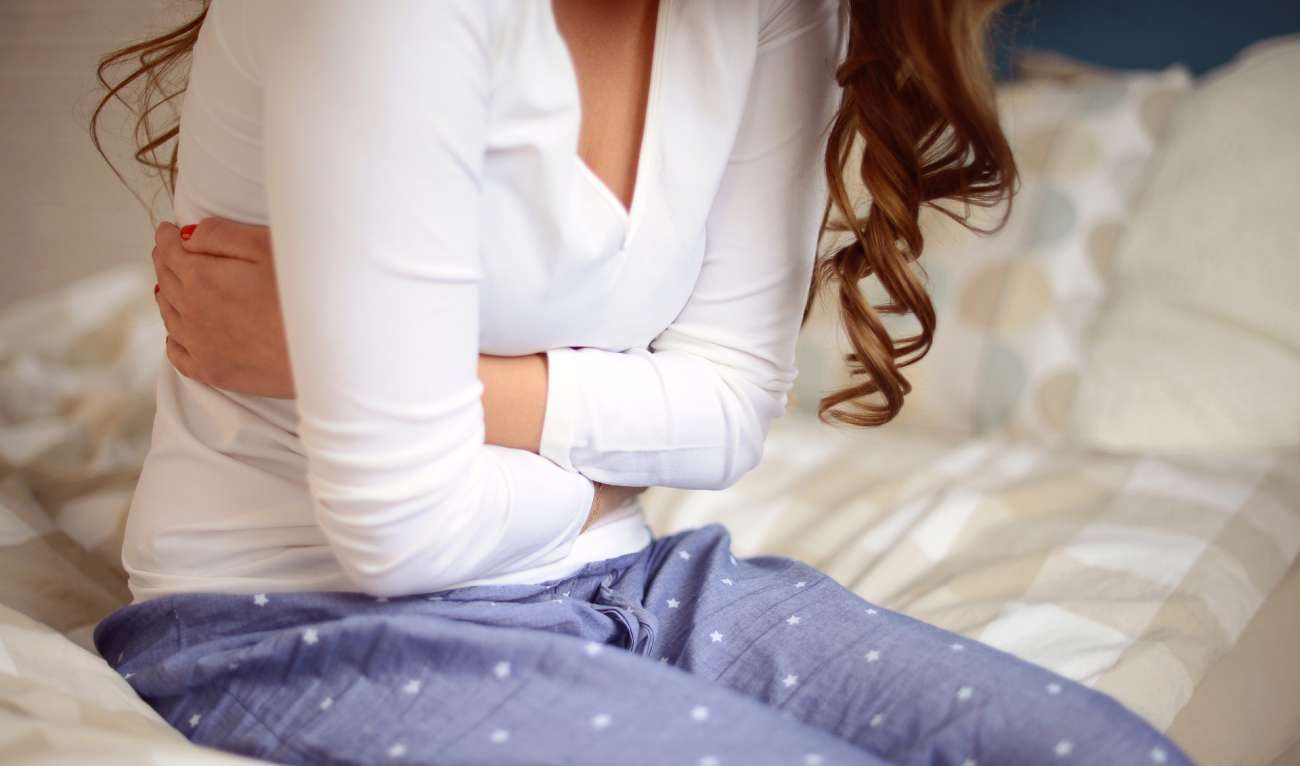
Endometriosis is one of the most common gynecological diseases. It is caused by the penetration of small pieces of the uterine lining (endometrium) outside the uterus and their settlement in the ovaries, fallopian tubes, uterine ligaments, gallbladder, or intestines. Under the influence of certain hormones (estrogen), the uterine lining swells with blood. If this blood cannot flow out normally, it causes the formation of cysts, adhesions, and inflammations, and is often accompanied by severe pain.
The causes of these problems are various:
The most common symptoms are pain during menstruation and ovulation, frequent bleeding between periods, painful intercourse, or heavy and irregular bleeding.
Endometriosis is one of the main causes of female infertility - one-third to half of women with endometriosis have problems conceiving (endometrial adhesions prevent the egg from traveling from the ovary and the sperm from meeting it in the fallopian tube).
Lifestyle, including diet, also influences the onset and course of endometriosis. On a general level, significance is attributed to certain anti-inflammatory foods or dietary concepts aimed at establishing an anti-inflammatory environment in the organism. However, the primary impact of diet on the onset and development of endometriosis is preventative.
In terms of dietary adjustments, the most commonly presented are:
1. Increased intake of essential micronutrients (vitamins, minerals, antioxidants).
Ideally through regular consumption of fruits and vegetables (in this regard, it is important to pay attention to their quality, as some studies have, on the contrary, shown an increased incidence of endometriosis with their increased intake, which has been linked to the potential content of pesticides and other chemicals).
2. Increase in the proportion of fiber in the diet.
It has been found that a higher fiber content in the diet leads to a reduction in estrogen concentration (the enzyme β-glucuronidase activity decreases in the stool, which causes less reabsorption of estrogen in the large intestine - increased excretion of estrogen and its lower concentration in the blood reduces the risk of developing endometriosis).
3. Adjustment of the ratio of omega-3 and omega-6 in the diet.
Both EPA and DHA can partially suppress inflammatory processes in the body.
4. Consumption of dairy products.
Studies here have shown that increased dairy product intake significantly reduced the incidence of endometriosis. This effect is attributed to calcium, which can contribute to reducing levels of inflammatory markers. There is also consideration of the influence of vitamin D3, for which dairy products are a relatively important source. However, with dairy products, it is important to monitor the content of proteins - if the proportion of animal proteins is too high compared to plant proteins, it increases pro-inflammatory activity in the body, so this factor should also be considered.
5. Limitation of soy products.
The reason is the content of phytoestrogens, which soy is very rich in, and which can behave in two ways in the body - either they have an estrogenic or anti-estrogenic effect (this primarily depends on the hormone state and the dose of phytoestrogens consumed). Since the level of estrogen is related to the development of endometriosis, there is a probability that the consumption of soy and any other sources of phytoestrogens may be associated with an increased risk of developing endometriosis. At the same time, there are studies suggesting that regular consumption of soy products in reasonable amounts, due to the relatively low presence of phytoestrogens, does not have the potential to significantly affect hormonal regulation.
6. Adjustment of the proportion of fats in the diet.
Both the quantity and quality of fats in the diet influence the incidence of endometriosis. It appears that conclusions from studies observing the influence of the amount of fat in the diet on the development of endometriosis significantly differ. However, it has been found that certain fats will have an impact:
If these fats are in excess, they significantly promote the development of inflammatory reactions, which can lead to supporting endometriosis.
7. Limitation of meat consumption.
Red meat contains arachidonic acid (omega-6), which in excess may lead to increased production of pro-inflammatory substances. In some cases, meat may contain dioxins (xenobiotics), which act as endogenous disruptors in the body. Therefore, in relation to endometriosis, it is recommended to significantly limit these foods (it is not necessarily needed to completely eliminate them, although this might seem preferable).
8. Limitation of alcohol consumption.
Long-term alcohol intake may disrupt immunity and subsequently support the production of pro-inflammatory cytokines. Alcohol thus likely increases the risk of developing endometriosis.

Mgr. Martin Jelínek
Founder of NutriCourses, lecturer and author of the educational system in the field of nutrition. He has been systematically engaged in nutrition education since 1999. He is the author of the educational application ZOF and professional publications focused on nutrition and a healthy lifestyle.