
Author: Mgr. Martin Jelínek
Expertise: nutrition, education in nutrition
Last expert review: September 3, 2024
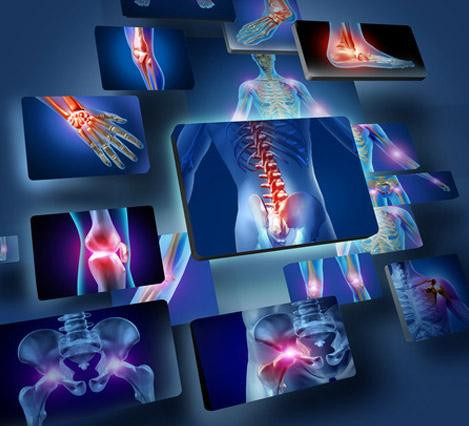
Osteoporosis is a condition in which there is a decrease in bone strength due to the loss of bone mass and the disruption of the internal structure of bone tissue. It involves the loss of proteins and minerals, the structure of the bone weakens, and bones then break easily. Common manifestations of progressive osteoporosis include back pain, increased bone fragility (most commonly hip fractures and vertebrae of the spine), more pronounced spinal curvature (kyphosis), or decreased body height. The most severe impact on life is caused by fractures of the femoral neck, with up to one-third of patients never regaining full mobility. [1]
There are several causes of decreasing bone density:
In relation to dietary quality, the most commonly mentioned are long-term reduced protein intake [2], lack of vitamin D3 and calcium. [3] In recent years, the influence of a high proportion of phytoestrogens in the diet of the Western population (most often due to the consumption of soy products) has also been monitored. [4] [5]
Another factor is lack of physical activity. Physical activity stimulates bone remodeling and supports the deposition of minerals into the bones through increased muscle tissue activity. Weight-bearing or resistance exercises (such as walking, running, strength training) are most beneficial. [6] Conversely, non-weight-bearing activities, such as swimming, have less impact on bone density.
Also significant is hormonal regulation. In women, post-menopause leads to a decline in estrogen production, which significantly affects the balance between bone formation and resorption. The drop in estrogen levels leads to increased bone resorption and faster loss of bone mass. In men, aging can lead to a gradual decrease in testosterone levels, which also contributes to the regulation of bone metabolism, although the changes are typically slower than in women.
Finally, the influence of certain medications must also be considered. Long-term use of systemic corticosteroids is a significant risk factor. [7] The effect of hormonal contraception on bone mass is differentiated – common combined hormonal contraception usually does not significantly negatively impact bone density, but some long-term gestagen preparations can affect bone metabolism more strongly. [8]
Osteoporosis most commonly affects women post-menopause and men post-andropause. However, there are exceptions where decreased bone density occurs in younger individuals. This may be due to a combination of:
Genetic predisposition also plays a significant role.
Bone strength can be most significantly influenced by lifestyle changes. The foundation is adequate intake of proteins, which form the organic component of bone tissue (collagen matrix), into which minerals are subsequently deposited. Since bone density is influenced not only by the amount of proteins but also by the content and ratio of minerals that are an integral part, it is important to ensure adequate dietary intake of calcium, magnesium, phosphorus, and fluoride. Calcium is cited as the most important element, and its metabolism in the body is significantly affected by the content of magnesium and vitamin D3. For the proper incorporation of calcium into the bones, vitamin K2 is also important, as it is involved in activating proteins responsible for bone tissue mineralization. [9] Excessive intake of salt can have a negative effect, increasing calcium loss in urine. [10]
The level of absorption and subsequent utilization of key nutrients is significantly influenced by physical activity. Mechanical loading of bones supports their strength and slows bone mass loss. Regular exposure to sunlight also plays a role, as UVB radiation promotes the production of cholecalciferol (vitamin D3) in the skin, which is essential for calcium absorption from the intestine. In our climatic conditions, its formation can be inadequate, especially in winter.
In the case of diagnosed osteoporosis, targeted pharmacological treatment that reduces fracture risk may sometimes be necessary, in addition to lifestyle interventions. The foundation, however, remains a comprehensive approach involving a balanced diet, adequate physical activity, moderate sun exposure, and regular medical check-ups.
Sources:
[1] PubMed
[2] PubMed
[3] PubMed Central
[4] PubMed
[5] PubMed Central
[6] PubMed
[7] PubMed
[8] PubMed Central
[9] PubMed Central
[10] Frontiers

Mgr. Martin Jelínek
Founder of NutriCourses, lecturer and author of the educational system in the field of nutrition. He has been systematically engaged in nutrition education since 1999. He is the author of the educational application ZOF and professional publications focused on nutrition and a healthy lifestyle.