
Author: Mgr. Martin Jelínek
Expertise: nutrition, education in nutrition
Last expert review: September 3, 2024
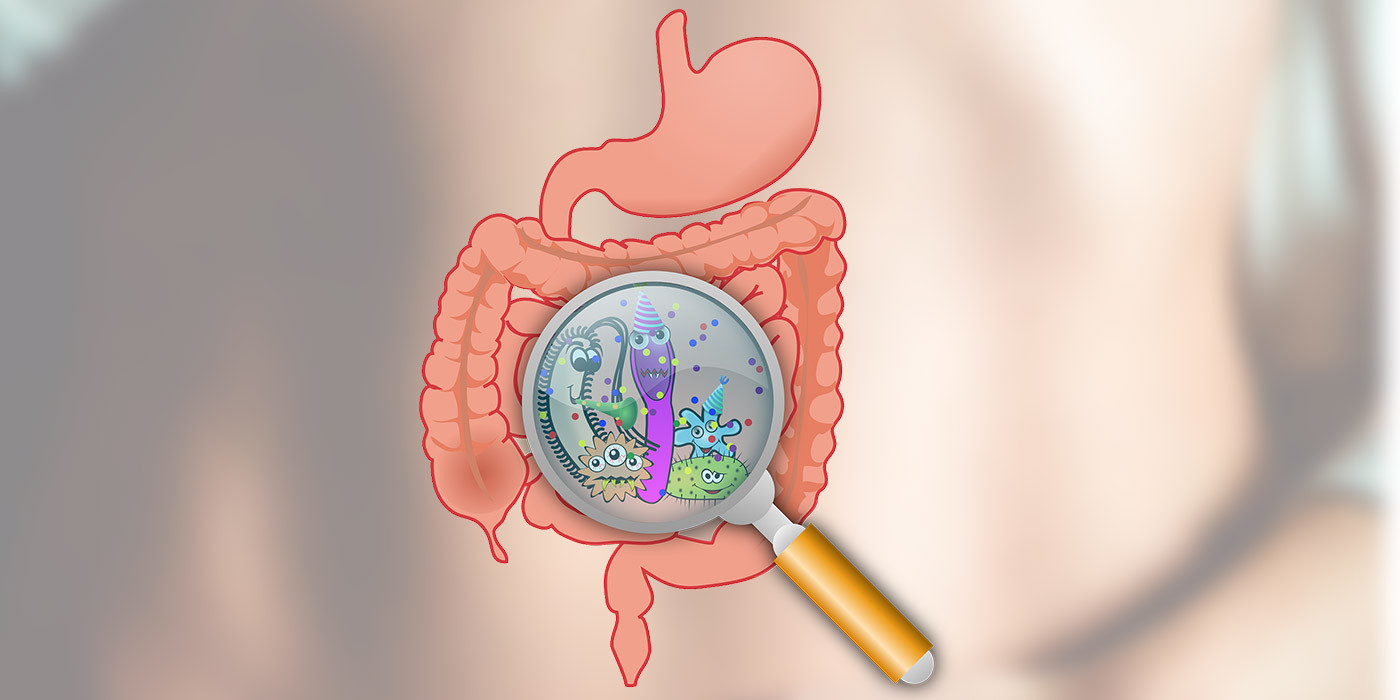
The gut microbiota is a specific system in the human body that determines the quality of the functioning of the entire organism. The colonization of the large intestine by microorganisms begins only after birth, when the first microorganisms are acquired from the mother's vaginal and fecal flora. These are anaerobic bacteria Enterobacter, Streptococcus, and Staphylococcus, which metabolize oxygen - after it is consumed, conditions for the growth of anaerobic bacteria (Bacteroides) are created during the first week of life. In the following weeks, an environment with a predominance (up to 90%) of lactobacilli and bifidobacteria is formed, which form the basis of the entire diversity of the gut biome into adult life. This is a natural developmental process for the implementation of which two basic conditions must be met:
Children born via cesarean section have a microbiota influenced more by the external environment, and anaerobic microorganisms colonize much later (by several months). It is also noteworthy that with increasing age, the number of bacteria Bifidobacterium decreases until they disappear (replaced by colonies of Lactobacillus, Enterococcus, Enterobacteria, and Clostridium). It has been found that this change can lead to weakened immunity, increased pathogenicity, toxic burden, tumor formation, and liver dysfunction.
After transitioning from breastfeeding to solid food, there is a significant increase in species diversity of microorganisms in the intestines, stabilizing and resembling the adult microbiota by the end of the second year.
The species spectrum in the intestines differs for each individual. Organisms considered to be beneficial to health live and cooperate together, as well as those that are potentially pathogenic in greater amounts. Interestingly, the total number of these microorganisms roughly corresponds to the number of cells in the human body. However, it is not just about the overall number; species diversity is particularly important for the stability of the entire system. It appears that in individuals consuming a modern diet in terms of technologically processed foods with a lack of fiber, diversity ranges from 400 to 500 species, while in people predominantly consuming natural foods, it can be more than double. This diversity critically determines how the community will behave and thus affect the entire organism.
These gut microorganisms perform a range of functions:
- They produce some vitamins (B12, K),
- Ferment undigested food components (e.g., fiber),
- Support intestinal peristalsis through mechanical movements (movement of food mass in the intestine),
- Affect water absorption (thus influencing the consistency of stools),
- Have a direct impact on the formation of the immune system,
- Control the activity of pathogenic microorganisms (preventing their overgrowth and development of inflammations),
- Influence the production of hormones and neurotransmitters - affecting not just mood, but there is also a proven relationship to eating habits.
All microorganisms in the digestive tract need to eat. Without an external supply of nutrients, they tend to attack each other (most notably during fasts and starvation) and die off. Therefore, it is necessary to properly nourish not only oneself but also these microorganisms essential for quality of life. Each group of microorganisms in the intestines has the ability to ferment different macro-components in food - some target individual types of carbohydrates (simple, oligo- or polysaccharides), others target various types of fiber, fats or proteins.
Some groups have a more significant impact on human health than others and are referred to as "probiotic organisms" (bacteria, mainly lactic acid bacteria) or probiotics. These primarily act as a microbial barrier against pathogens by producing substances (short-chain fatty acids, deconjugated bile acids, lysophosphatidyl, and many others) with bacteriostatic and bactericidal effects. Probiotic cultures feed on substances collectively referred to as prebiotics. These are types of carbohydrates that resist enzymatic digestion and absorption in the upper part of the digestive tract and reach the large intestine in practically an untouched state. These include:
- Non-digestible oligosaccharides - fructo-oligosaccharides, galacto-oligosaccharides, inulin, lactulose.
- Polysaccharides - resistant starch, pectins, soluble hemicellulose, soluble fiber, guar and konjac gum.

Mgr. Martin Jelínek
Founder of NutriCourses, lecturer and author of the educational system in the field of nutrition. He has been systematically engaged in nutrition education since 1999. He is the author of the educational application ZOF and professional publications focused on nutrition and a healthy lifestyle.