
Author: Mgr. Martin Jelínek
Expertise: nutrition, education in nutrition
Last expert review: February 3, 2023
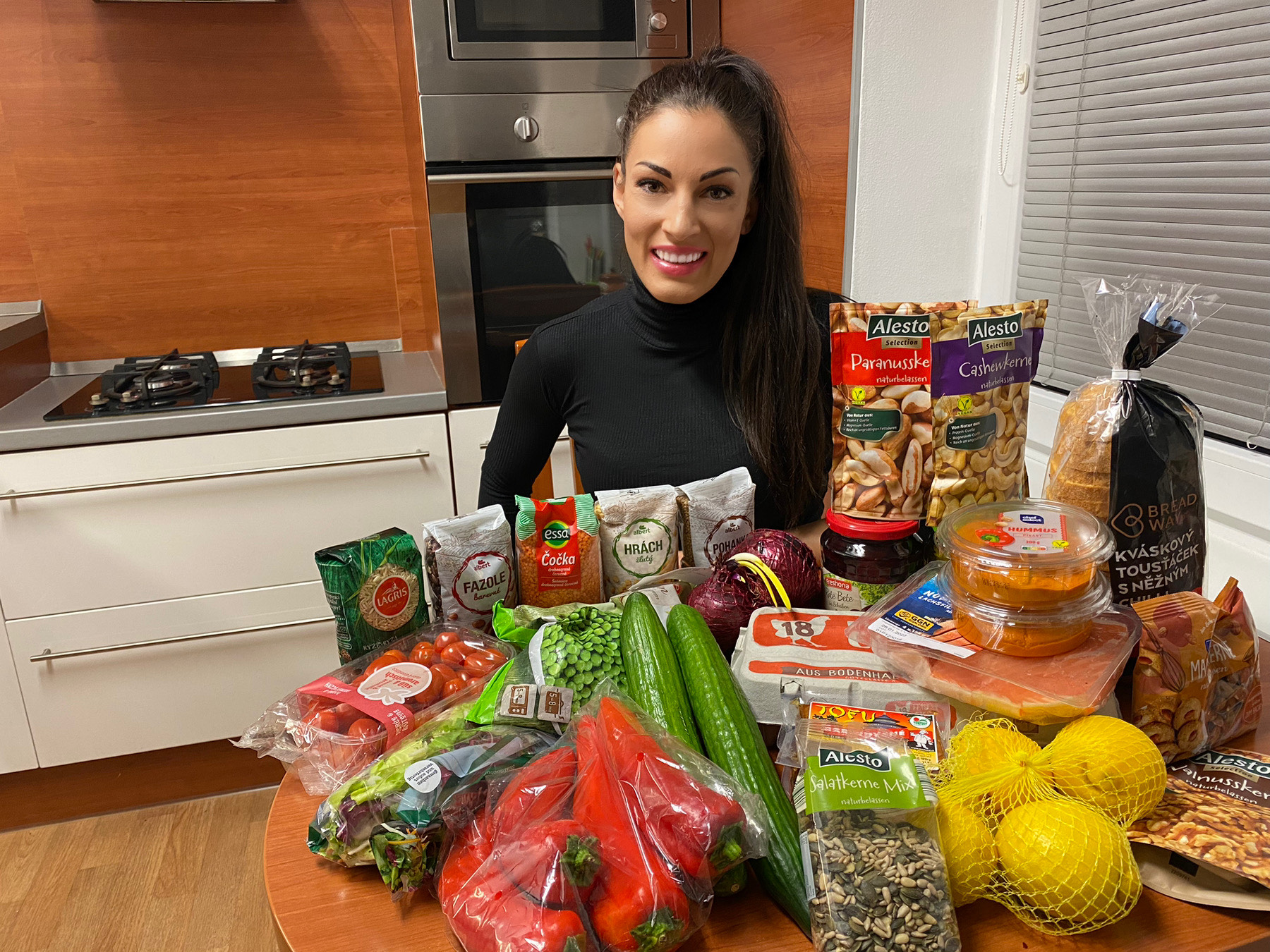
The foundation of any diet is a set of recipes consisting of various ingredients. It stands to reason that the quality of each recipe, and therefore the entire dietary concept, begins and ends with the quality of the foods used.
Food quality is a debated and debatable topic because there is no unified idea of how exactly to define such food. However, there is general consensus that with an increasing number of technological modifications, including additives, we move away from the concept of truly quality food. This is crucial information for every diner because any industrial intervention reduces the nutritional value of the food, i.e., the content of a wide range of important nutrients.
An athlete whose body, due to high physical and mental strain, requires a significantly higher intake of nutrients than the average member of society should therefore first focus not on dietary supplements and tracking macronutrient ratios in the diet but primarily on ensuring that the food provides the maximum amount of essential nutrients. In today's era, where increasing nutritional literacy is reported, it seems clear. However, practice shows the exact opposite.
Lucie is well aware of the importance of the right approach to quality food in the kitchen. As a seasoned professional, she bases her entire meal plan on this principle. Like any athlete, she faces two basic challenges when trying to adhere to a set regimen:
The first is meal preparation in domestic conditions, and the second is eating in the field.
An undeniable advantage is Lucie's positive attitude towards cooking, which allows her to increase the overall portion of the food for which she controls the quality and method of preparation. She leaves nothing to chance, therefore — her meal plan starts not in the kitchen or restaurant, but with the purchase of the necessary and simultaneously high-quality (= technologically unprocessed) ingredients.
For food prepared from such ingredients to serve its purpose, the rule of variety must be respected. The daily menu should include the widest possible range of food representatives from individual categories. If you observe the composition of the plate (not only) of athletes, you will be greatly surprised to find that it is standard to avoid, for example, legumes, nuts, seeds, a wide range of vegetable representatives, etc. This deprivation of numerous nutrients always manifests itself during physical exertion.
Most people struggle with home meal preparation and adhering to the rule of variety for several reasons: Besides the necessity to shop, have a positive attitude towards cooking, or consider the organization of the day about kitchen work, it is also the feeling that some foods "overlap" in the diet. Meaning, the plate contains foods:
1. To which they are not accustomed.
An athlete who argues that they won't eat certain foods because they don't like them is not acting in line with their focus and goal. If they are willing to undergo extreme strain to achieve success, they should not have a problem adapting to changes in conditions or their tastes (especially with the knowledge that it will enhance performance and recovery and support the immune system function).
2. That increase the volume of the dish and therefore increase the sense of satiation.
This is a huge advantage, especially in situations where athletes are in a reduction regime. The use of unprocessed foods ensures a greater proportion of fiber and causes one very important thing — lowers the energy yield from the food. This means that from the total amount of food eaten, the body utilizes much less energy than in a situation where technologically processed foods predominate. This looks like a "detail" at first glance but is actually the foundation of the whole system on which we build Lucie's performance progress.
The foundation of Lucie's diet is therefore industrially unprocessed foods. When preparing recipes, she focuses on bringing different representatives of ingredients to the all-day plate. It is the same as with training — for its concept to make sense, it needs to be built on basic exercises and physical activities and avoid monotony and stereotypes.
A considerable challenge is organizing purchases because Lucie travels a lot due to training. It could be argued that even among unprocessed foods, there are considerable qualitative differences. However, due to the complexity of the entire preparatory process, we agreed that we won't be addressing these "details" anymore (the next evolutionary stage could be having a personal chef, which might bring us closer to the whims of some soccer stars, but not to the planned title).
The list of foods is not complete for capacity reasons, but it forms the core on which Lucie bases her daily diet. When dealing with the nutritional values we usually work with, also note the content of salt - it is especially important in the week before the match during dehydration.
They are the key source of "quick" energy in the form of complex carbohydrates and, in whole-grain form, also fiber and a range of vitamins (B group) and certain minerals (especially magnesium). They serve as side dishes on the plate.
50 g (1 krajíc)
Energie kcal:
Energie kJ:
Bílkoviny:
Sacharidy:
Tuky:
Vláknina:
Sůl:
20 g (1 kus)
Energie kcal:
Energie kJ:
Bílkoviny:
Sacharidy:
Tuky:
Vláknina:
Sůl:
100 g (1/2 šálku)
Energie kcal:
Energie kJ:
Bílkoviny:
Sacharidy:
Tuky:
Vláknina:
Sůl:
100 g (1/2 šálku)
Energie kcal:
Energie kJ:
Bílkoviny:
Sacharidy:
Tuky:
Vláknina:
Sůl:
We work with them primarily as a source of fiber and protein.
50 g (1/4 šálku)
Energie kcal:
Energie kJ:
Bílkoviny:
Sacharidy:
Tuky:
Vláknina:
Sůl:
50 g (1/4 šálku)
Energie kcal:
Energie kJ:
Bílkoviny:
Sacharidy:
Tuky:
Vláknina:
Sůl:
50 g (1/4 šálku)
Energie kcal:
Energie kJ:
Bílkoviny:
Sacharidy:
Tuky:
Vláknina:
Sůl:
100 g (1/2 šálku)
Energie kcal:
Energie kJ:
Bílkoviny:
Sacharidy:
Tuky:
Vláknina:
Sůl:
20 g (1 polévková lžíce)
Energie kcal:
Energie kJ:
Bílkoviny:
Sacharidy:
Tuky:
Vláknina:
Sůl:
100 g (1/2 šálku)
Energie kcal:
Energie kJ:
Bílkoviny:
Sacharidy:
Tuky:
Vláknina:
Sůl:
100 g (1/3 šálku)
Energie kcal:
Energie kJ:
Bílkoviny:
Sacharidy:
Tuky:
Vláknina:
Sůl:
Indispensable as a side dish on the plate. They serve a volumetric function, act as a source of fiber, antioxidants, vitamins, and partially minerals. Some root types are used as a source of complex carbohydrates in the form of a side dish.
100 g (1/3 šálku,1/3 kusu)
Energie kcal:
Energie kJ:
Bílkoviny:
Sacharidy:
Tuky:
Vláknina:
Sůl:
50 g (1/4 šálku)
Energie kcal:
Energie kJ:
Bílkoviny:
Sacharidy:
Tuky:
Vláknina:
Sůl:
50 g (2 1/2 kusu)
Energie kcal:
Energie kJ:
Bílkoviny:
Sacharidy:
Tuky:
Vláknina:
Sůl:
100 g (1/2 šálku,2/3 kusu)
Energie kcal:
Energie kJ:
Bílkoviny:
Sacharidy:
Tuky:
Vláknina:
Sůl:
50 g (1/4 šálku,2/3 kusu)
Energie kcal:
Energie kJ:
Bílkoviny:
Sacharidy:
Tuky:
Vláknina:
Sůl:
5 g (1 čajová lžička,1 stroužek)
Energie kcal:
Energie kJ:
Bílkoviny:
Sacharidy:
Tuky:
Vláknina:
Sůl:
50 g (1/2 šálku)
Energie kcal:
Energie kJ:
Bílkoviny:
Sacharidy:
Tuky:
Vláknina:
Sůl:
100 g (2/3 šálku)
Energie kcal:
Energie kJ:
Bílkoviny:
Sacharidy:
Tuky:
Vláknina:
Sůl:
100 g (1/3 šálku)
Energie kcal:
Energie kJ:
Bílkoviny:
Sacharidy:
Tuky:
Vláknina:
Sůl:
100 g (1/2 šálku,1 kus)
Energie kcal:
Energie kJ:
Bílkoviny:
Sacharidy:
Tuky:
Vláknina:
Sůl:
It is a source of quick energy, like vegetables, also fiber, vitamins, antioxidants, and minerals.
150 g (3/4 šálku,1 kus)
Energie kcal:
Energie kJ:
Bílkoviny:
Sacharidy:
Tuky:
Vláknina:
Sůl:
100 g (1/2 šálku,2/3 kusu)
Energie kcal:
Energie kJ:
Bílkoviny:
Sacharidy:
Tuky:
Vláknina:
Sůl:
A nutritionally very rich group of foods. With Lucie, we target the content of proteins, highly quality fats, and some minerals, primarily magnesium.
20 g (2 polévkové lžíce,10 kusů)
Energie kcal:
Energie kJ:
Bílkoviny:
Sacharidy:
Tuky:
Vláknina:
Sůl:
20 g (2 polévkové lžíce)
Energie kcal:
Energie kJ:
Bílkoviny:
Sacharidy:
Tuky:
Vláknina:
Sůl:
20 g (2 polévkové lžíce,4 kusy)
20 g (2 polévkové lžíce)
Energie kcal:
Energie kJ:
Bílkoviny:
Sacharidy:
Tuky:
Vláknina:
Sůl:
Provide high-quality proteins, used as a source of omega-3 fats, vitamin D, and a range of other important substances. Their number in the diet is relatively small, usually not exceeding 6 eggs per week.
50 g (1 kus)
Energie kcal:
Energie kJ:
Bílkoviny:
Sacharidy:
Tuky:
Vláknina:
Sůl:
Their primary presentation is as a source of quality proteins. We are more interested in the calcium content, increased need for it grows with physical effort. We try to control their total amount, avoiding particularly salty (due to high salt concentration) and fatty (due to excessively high energy content) products.
30 g (2 polévkové lžíce)
Energie kcal:
Energie kJ:
Bílkoviny:
Sacharidy:
Tuky:
Vláknina:
Sůl:
150 ml (2/3 šálku)
Energie kcal:
Energie kJ:
Bílkoviny:
Sacharidy:
Tuky:
Vláknina:
Sůl:
30 g (1 1/2 polévkové lžíce)
Energie kcal:
Energie kJ:
Bílkoviny:
Sacharidy:
Tuky:
Vláknina:
Sůl:
For athletes, this group of food is very favored due to the content of quality protein, a form of iron that is well usable, and a high concentration of vitamin B12. With Lucie, we chose a path leading to minimizing the amount of meat in the diet due to its more challenging digestibility and primarily inflammatory-promoting influence. She usually prefers fish, and from warm-blooded animals' meat, bone broths used as a soup base are the foundation.
100 g (1/3 šálku)
Energie kcal:
Energie kJ:
Bílkoviny:
Sacharidy:
Tuky:
Vláknina:
Sůl:
100 g (1/2 kusu)
Energie kcal:
Energie kJ:
Bílkoviny:
Sacharidy:
Tuky:
Vláknina:
Sůl:
300 ml (1 1/8 šálku)
Energie kcal:
Energie kJ:
Bílkoviny:
Sacharidy:
Tuky:
Vláknina:
Sůl:
This food group attracts taste of food, supports digestive processes, and in many cases is a source of antioxidant substances. It makes a lot of sense to work with them in the kitchen, ideally with a wider palette of their representatives.
20 g (2 polévkové lžíce)
Energie kcal:
Energie kJ:
Bílkoviny:
Sacharidy:
Tuky:
Vláknina:
Sůl:
1 g (1/8 čajové lžičky,3 špetky)
Energie kcal:
Energie kJ:
Bílkoviny:
Sacharidy:
Tuky:
Vláknina:
Sůl:
0.5 g (1/3 čajové lžičky)
Energie kcal:
Energie kJ:
Bílkoviny:
Sacharidy:
Tuky:
Vláknina:
Sůl:
2 g (1 čajová lžička)
Energie kcal:
Energie kJ:
Bílkoviny:
Sacharidy:
Tuky:
Vláknina:
Sůl:
11 g (1 1/2 čajové lžičky,1 kostka)
Energie kcal:
Energie kJ:
Bílkoviny:
Sacharidy:
Tuky:
Vláknina:
Sůl:
2.5 g (1/2 čajové lžičky)
Energie kcal:
Energie kJ:
Bílkoviny:
Sacharidy:
Tuky:
Vláknina:
Sůl:
7 g (1 čajová lžička)
Energie kcal:
Energie kJ:
Bílkoviny:
Sacharidy:
Tuky:
Vláknina:
Sůl:
2 g (1/2 čajové lžičky)
Energie kcal:
Energie kJ:
Bílkoviny:
Sacharidy:
Tuky:
Vláknina:
Sůl:
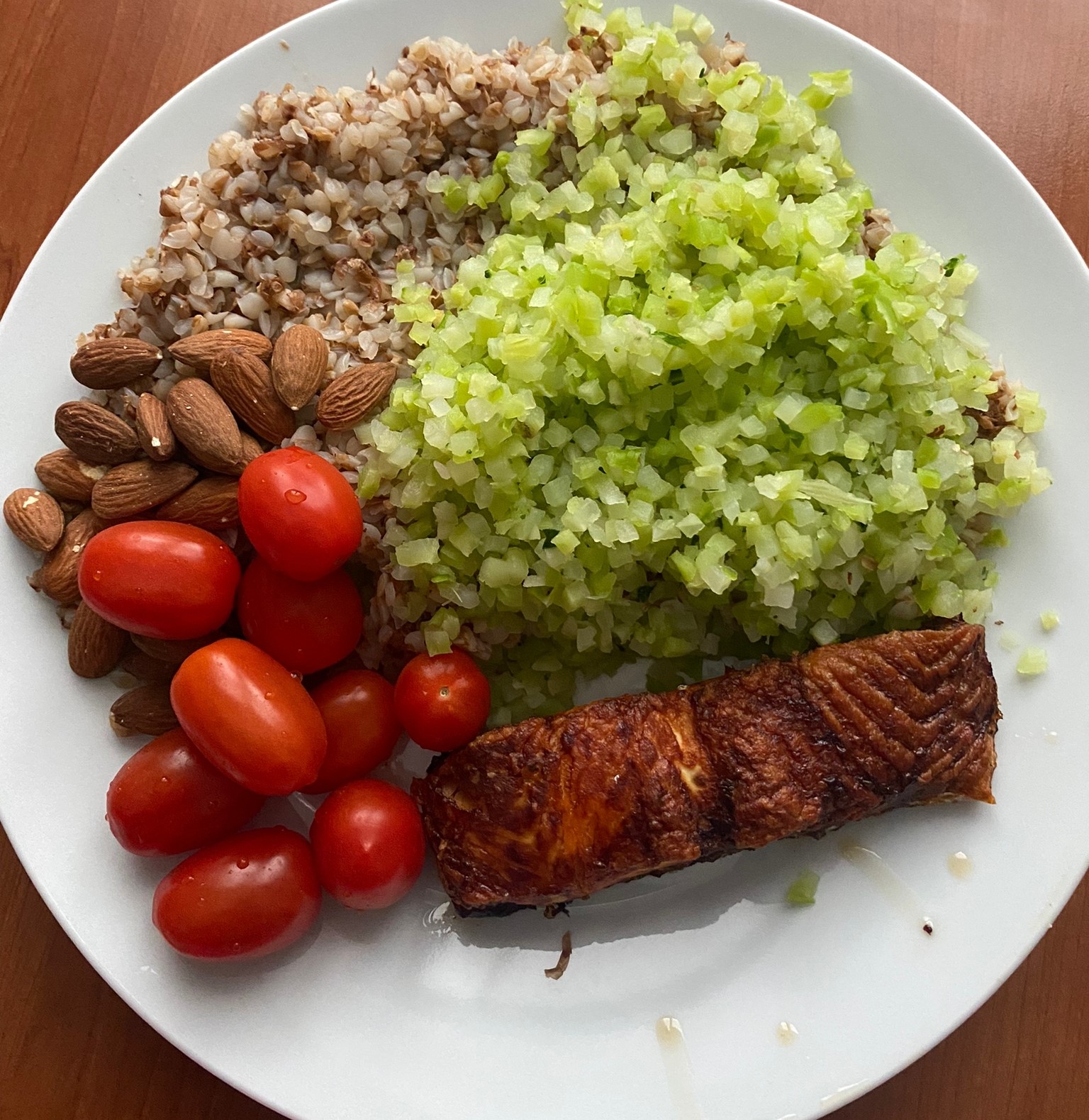
As mentioned, the list of foods is not complete, covering about 90% of the total spectrum. If you examine the list closely, you should notice that no mention of fats and oils. This is intentional because the preparation is based on a low-fat concept due to the necessity to reduce a considerable portion of fat mass in a short period. This means avoiding foods with concentrated fat content, such as oils, butter, lard, etc. Adequate fats are primarily ensured by the consumption of nuts and seeds, with a smaller portion from animal foods.
Sources:
[1] ZOFapp

Mgr. Martin Jelínek
Founder of NutriCourses, lecturer and author of the educational system in the field of nutrition. He has been systematically engaged in nutrition education since 1999. He is the author of the educational application ZOF and professional publications focused on nutrition and a healthy lifestyle.