
Author: Mgr. Martin Jelínek
Expertise: nutrition, education in nutrition
Last expert review: September 3, 2024
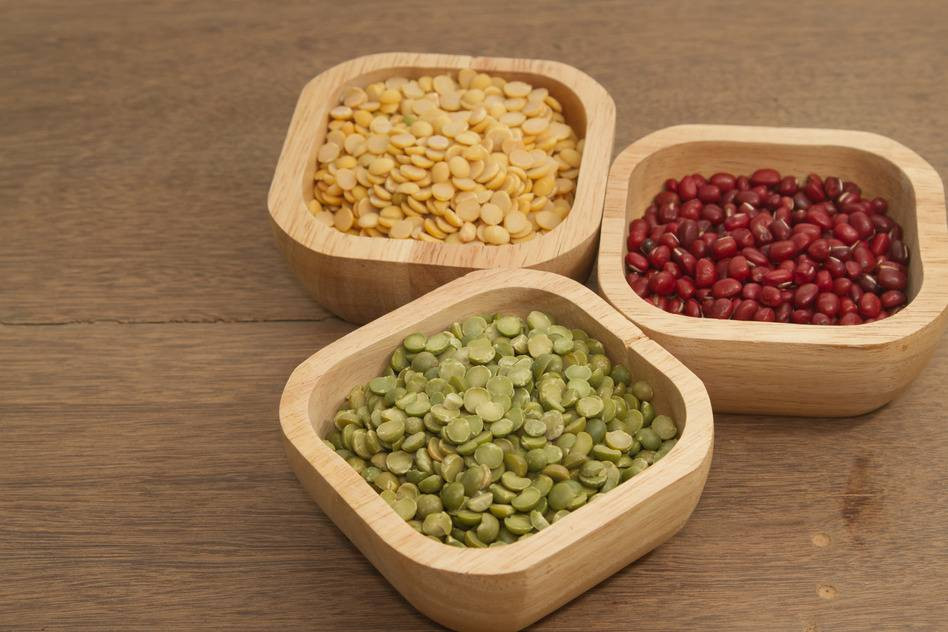
Antinutritional substances are a rather extensive group of components found in most foods of plant and animal origin. They occur naturally in them, and sometimes they enter foods due to improper technological processing. In recent years, they have been increasingly discussed due to their well-researched impact on human health. Most of them act by weakening the organism through reactions with vitamins, minerals, and some enzymes, thereby reducing the nutritional value of individual nutrients. Some also have a toxic effect.
They are found in the largest quantities in plants, where they function as their protection against predators (insects, birds, herbivores).
Their content can be reduced by proper technological and hygienic handling of the products. It is desirable to respect this, especially with unprocessed and technologically raw materials commonly used in the kitchen.
Even though they are labeled as antinutritional, many of them have a beneficial impact on metabolism. However, this always depends on their quantity contained in the food. Typical examples are:
Because antinutritional substances occur in much greater quantities in plant-derived foods, they heavily affect the vegan and raw food population. Their presence in animal sources is minimal, with the most well-known being:
Antinutritional substances found in plants have relatively complex categorization; in a simplified concept, it is appropriate to respect at least the following characteristics:
These are substances that nullify the effects of vitamins and slow down metabolic reactions. They are often used in medicine, for example to suppress the growth of pathogenic microorganisms, as part of leukemia treatment (antivitamins of folic acid), or in the treatment of thrombosis.
These are substances that bind to an enzyme and thus decrease its activity. They are mostly found in cereals, legumes, potatoes, or tomatoes.
Negative effects include growth retardation or disruption of the metabolism of the pancreas.
However, they also boast a positive impact on metabolism – protecting cells from the negative impact of UV radiation, steroid hormones, or some carcinogens (most commonly by decreasing the digestibility of proteins, thus reducing the number of amino acids, which cancer cells need for growth, or by suppressing the formation of free radicals promoting tumor development).
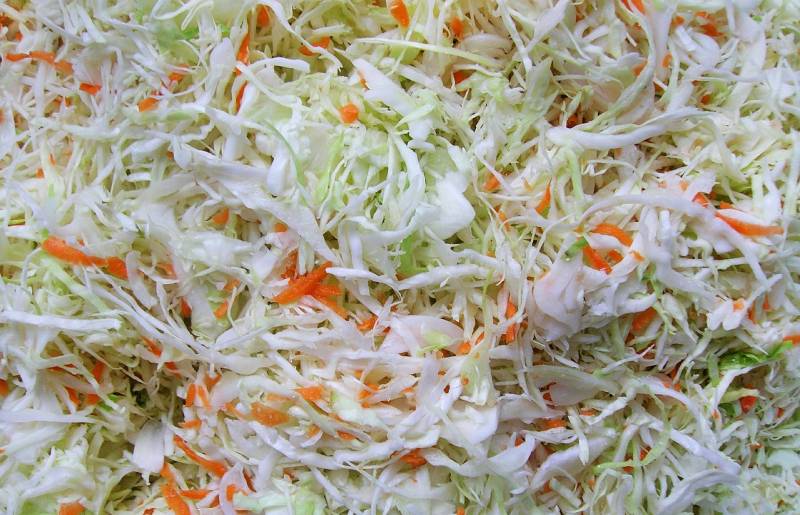
These substances complicate the metabolism of iodine, which manifests as insufficient production of thyroid hormones. If foods contain increased levels of any forms of glucosinolates, it can lead to growth retardation, damage to the liver, kidneys, and adrenals.
They are found in the greatest quantities in cruciferous vegetables (broccoli, kale, cabbage, brussels sprouts, cauliflower, kohlrabi, horseradish, radish…).
Vegetarians consume the highest concentration of these substances, often in the range of ten to twenty times the recommended amount.
When processing vegetables in the kitchen (cooking, fermentation), there is a significant reduction in these substances.
This substance impairs the absorption of calcium into the blood. The highest concentrations are found in spinach and rhubarb.
Phytic acid is present in all plants, with the highest concentrations found in cereals, legumes, nuts, and seeds. It tends to bind minerals and thus reduces their biological availability. For the aforementioned foods, which are rich sources of phytic acid, it is highly desirable to process them so that its content is as reduced as possible. This occurs during soaking, sprouting, and cooking, where it is possible to eliminate up to 80% of phytates.
These are contained in potatoes, apples, red beets, broccoli, soybeans, peanuts, alfalfa, spinach, and many other plants. Saponins are highly toxic substances, which damage cell membranes; some can promote increased sensitivity to allergens.
This group of substances suppresses the functions of several enzymes and complicates the absorption of nutrients in the intestinal tract. However, they also have the ability to act antibacterially, antitumorally, and antimutagenically. They are characterized by an astringent taste. Similar to other antinutritional substances, tannins can be reduced from foods by soaking, sprouting, or fermentation.
Phytoestrogens in plants ensure their protection against infection during seed germination and simultaneously help in flower and plant growth development.
They are found in cereal germ, in nuts, in legumes, mostly in soybeans. Some phytoestrogens act as prevention against the development of certain malignancies. Vegetarians generally consume much higher amounts of phytoestrogenic substances than the general population, which is often attributed to the lower incidence of cancer.
Phytoestrogens may also have antiestrogenic effects; increased consumption negatively affects the production of one's own estrogens.
Lignin is an indigestible form of fiber, in plants it helps create their strength and rigidity. Its significant drawback is the reduction in the nutritional value of proteins.
These are substances produced by molds. They are found in all foods that are potential sources of mold – in cereals, nuts, legumes, coffee beans, spices, fresh and dried fruits. The most well-known toxin is aflatoxin, which is most commonly encountered in dried fruits. Mycotoxins negatively affect the liver and kidneys.
Alkaloids are typically bitter-tasting, deterring animals. The highest amounts are found in seeds, roots, and bark of plants.
High concentrations of certain alkaloids (glycoalkaloids) are found in nightshade plants (potatoes, eggplant, tomatoes), a typical representative being solanine. It is found in tubers, around eyes, in sprouts, berries, and especially in the skin. Their content significantly increases with mechanical damage and exposure to light. Most of them (about 90%) are removed by cooking (the water from boiling potatoes should not be consumed) or peeling. A higher intake of solanine disrupts the mucous membranes of the stomach and duodenum.
These are specific proteins capable of clumping red blood cells. They are most prevalent in legumes. Overdose leads to intestinal inflammation or, for example, water retention in the lymphatic system.
The easiest way to remove them from food is through prolonged soaking and thorough cooking (this applies to legume sprouts as well). Broth containing lectins is undesirable to consume.
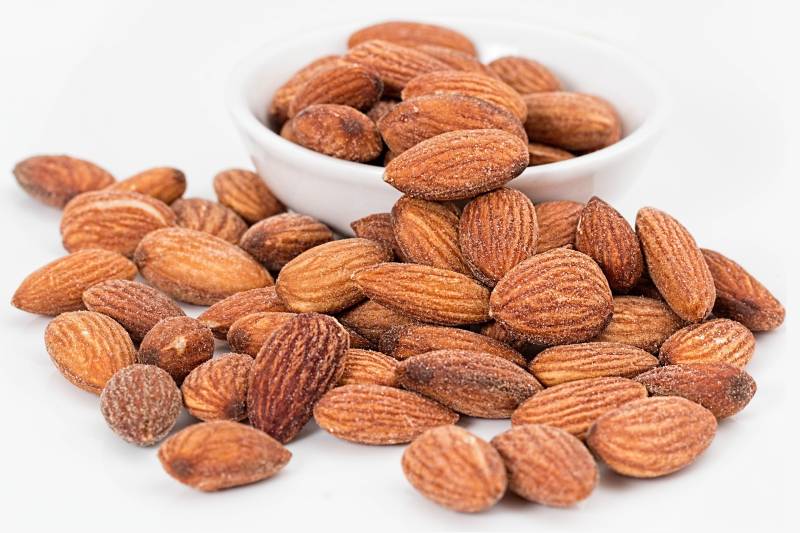
These are substances that are formed from amino acids, and under certain conditions, their decomposition produces hydrogen cyanide. They are particularly risky concerning acute toxicity. They are abundantly found in stone fruits, flax, legumes, almonds, bamboo shoots, sugar cane, sweet potatoes. The highest concentrations are found in seeds or skins. Chronic poisoning manifests as disorders of the nervous system and thyroid gland.

Mgr. Martin Jelínek
Founder of NutriCourses, lecturer and author of the educational system in the field of nutrition. He has been systematically engaged in nutrition education since 1999. He is the author of the educational application ZOF and professional publications focused on nutrition and a healthy lifestyle.