
Author: Mgr. Martin Jelínek
Expertise: nutrition, education in nutrition
Last expert review: September 3, 2024
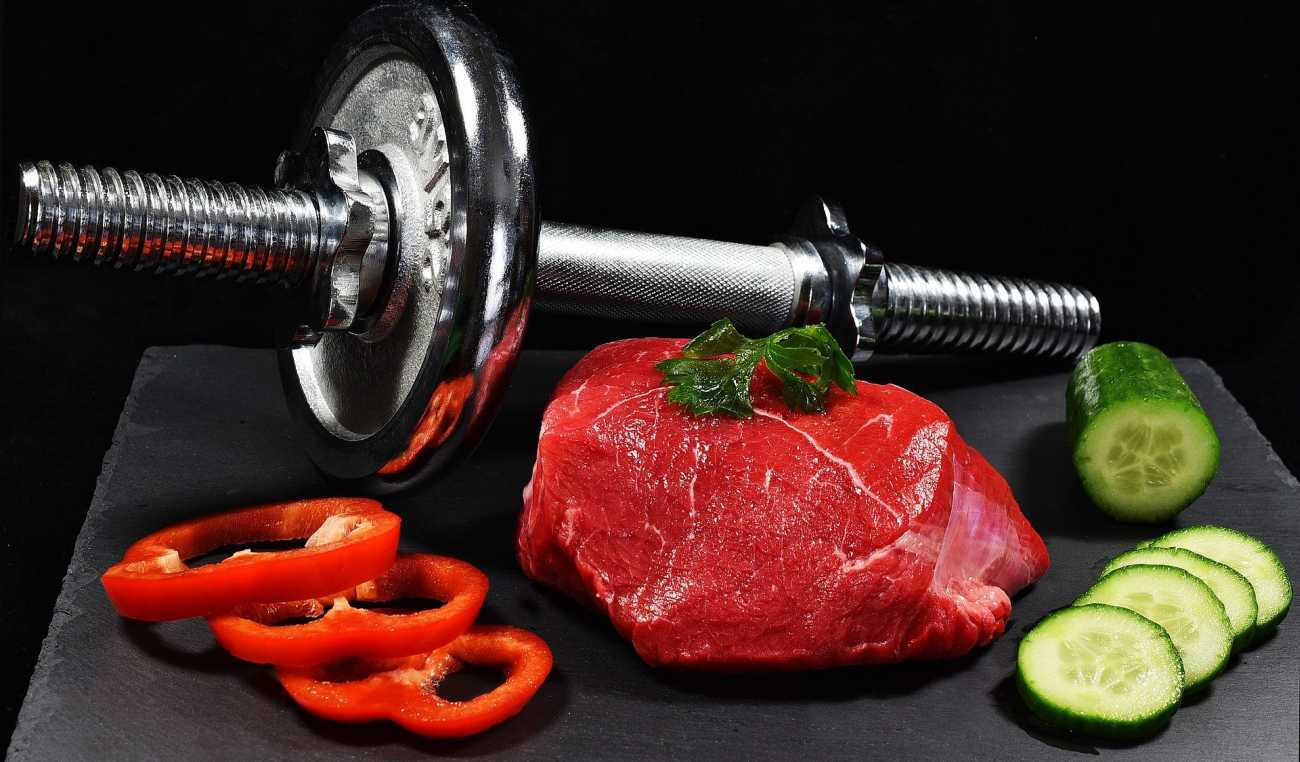
Nutrition for athletes is a big and important topic. The increasing professionalization of sports pushes its participants to pay attention to practically every detail, including nutrition. The fact is that diet has a fundamental impact on athletic performance, and the extent of this impact varies:
1. In different sports disciplines.
It's logical that the diet of a competitive bodybuilder should look completely different from the diet of a marathon runner.
2. In relation to the level of intensity.
The concept of nutrition will always differ for an athlete training once a day compared to an athlete training two or more times a day. With more training phases per day, energy expenditure increases while the time available for replenishing the depleted body decreases. This means that the athlete is forced to intake a sufficient amount of everything in a limited number of servings. This increases the volume of their portions, and not everyone is capable or willing to overeat in practice.
3. With regard to individuality of the person.
The same rules apply here as they do for the non-athletic population, i.e., it is necessary to strive to work with metabolic profiling and observe how the body responds to dietary changes in various stress situations.
Despite all this, there are general rules for athletes that should always be respected when trying to adjust a dietary system:
Athletes expend a lot of energy, so it's essential to closely monitor energy intake and expenditure. In practice, it often happens that an athlete is in a significant energy deficit over the long term, and the consequences of catabolic processes can be disastrous:
We know that measuring energy expenditure with greater accuracy is complicated and debatable; on the other hand, the use of various sports trackers providing a fairly accurate result is expanding today.
The content of macronutrients is linked to addressing the energy balance. The proportions of carbohydrates, proteins, and fats are determined in two directions:
- The first is a high-carbohydrate concept, where carbohydrates are the main source of energy (commonly presented as the model of energy ratios C:P:F - 60:20:20, where the carbohydrate share varies between 45-60% and fats 20-30% depending on the type of sport).
- The second is the low-carbohydrate system, where carbohydrates are limited, and the portion of fats as a source of "slow" energy is increased (ratios C:P:F are approximately 35-45:15-20:30-45).
Because nutrition is not entirely simple, other options are offered in dietary regimen selection - let's call them "hybrid" - variants, whose principle is based on alternating high and low-carbohydrate phases. Besides these "hybrids," there are also opinions on the benefits of ketogenic diets in sports (primarily related to endurance activities). These do function metabolically, but they are very challenging to implement.
Vitamins, minerals, antioxidants. Due to increased intensity, the intake of some substances (not all) may differ in lower multiples compared to the non-athletic population. This primarily applies to calcium, magnesium, and vitamins C, E, D, and B.
For all nutrients (macro and micro), the total amount is important alongside the overall quantity, unlike the non-athletic population, considering their distribution throughout the day concerning training intensity. In other words, it's important to monitor the amount of carbohydrates, proteins, fats, and minerals consumed before exercise and after training.
Athletes sweat more, making it important to emphasize hydration. In situations of fluid deficiency, dangerous dehydration can occur, leading to muscle cramps, rapid fatigue, and a general decline in performance.
Besides the need for sufficient hydration, fluid intake should also include some minerals lost from the body. A deficiency of these can cause electrolyte imbalance, with typical symptoms being cramps and increased fatigue with an inability to perform adequately.
The total amount of liquid intake always depends on:
In the sports field, isotonic drinks are very popular. Practically, all fluids capable of hydrating the body and providing various nutrients (not only ions) are labeled as such. They are categorized into three types based on their composition:
Although the composition of isotonic drinks appears sophisticated, consider that they always contain mixtures of synthetic vitamins and antioxidants, simple sugars, and minerals in different spectrums and quality.
In training regimes, due to increased intensity, the body always demands a higher intake of energy and nutrients. This must be respected in relation to rest phases, when the diet should primarily be adjusted towards optimizing energy intake.

Mgr. Martin Jelínek
Founder of NutriCourses, lecturer and author of the educational system in the field of nutrition. He has been systematically engaged in nutrition education since 1999. He is the author of the educational application ZOF and professional publications focused on nutrition and a healthy lifestyle.