
Author: Mgr. Martin Jelínek
Expertise: nutrition, education in nutrition
Last expert review: September 3, 2024

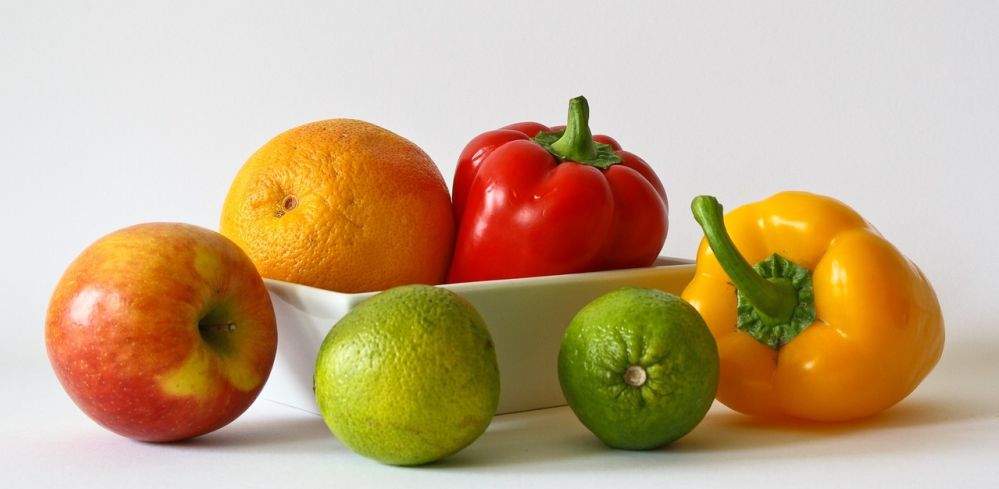
Vitamins are substances that we must obtain through food because the human body is unable to produce them by itself (higher animals lost the ability to synthesize these substances during their development when mutations in the course of evolution made gene transcription for certain vitamin-synthesizing enzymes impossible). They are therefore referred to as essential. The list of vitamins necessary for humans is therefore not identical with other animals, often not even with related species. In our body, they perform many important functions. They are crucial for maintaining a range of bodily functions (acting as catalysts) and building new tissues, they may play an important role in the prevention of some diseases, slow down the signs of aging, can enhance the immune system of our body, some have strong antioxidant properties. They are found practically in all plants, with their quantity depending on the method of cultivation or processing of plant material.
If we are deficient in these substances, a condition called hypovitaminosis arises (this can also occur in certain diseases where the body is unable to absorb vitamins). A prolonged low intake of these substances can cause various health problems. Excessive intake of a particular vitamin can lead to its overdosage – resulting in what is known as hypervitaminosis – this occurs mainly in connection with the use of dietary supplements.
It is necessary to consume vitamins regularly, as their deficiency affects all levels of human health. For this reason, it is recommended, for example, to regularly consume vegetables 2-3 times a day and fruit 1–2 times a day, thus providing the body with the basic doses of some vitamins.
According to chemical-physical properties, vitamins can be divided into two groups:
1. Fat-soluble – they are stored in the body and their supply lasts for several weeks to months. This includes the notoriously known vitamins A, D, E, K.
2. Water-soluble – they are not stored in reserves (with the exception of B12), their excess is excreted in urine and thus must be replenished continuously. This includes vitamins of the B-complex and vitamin C.
It is a fat-soluble substance found only in animal sources. It exists in two natural forms – vitamin A1 (retinol) and vitamin A2 (3-dehydroretinol). It is essential for good vision, with its precursors in our body being so-called carotenes (phytochemicals found in plants, causing their vibrant coloration). Our body can produce sufficient amounts of vitamin A from them (unlike vitamin A, carotenes and carotenoids cannot cause an overdose. The body will only make as much vitamin A from them as it needs).
Unlike water-soluble vitamins, vitamin A is not excreted (the body creates its reserves) and can be overdosed.
Vitamin A is necessary for the production of rhodopsin, a visual pigment used in low light. A lack of vitamin A therefore leads to night blindness. It is an active substance supporting a healthy appearance of the skin and complexion (it is essential for development, as its deficiency causes cells to become keratinized), it affects the activity of the gonads and is also important for the prevention and treatment of certain types of cancer (conversely, however, long-term use of doses above 1 mg/day increases the risk of lung cancer, so it is not advisable to take more than 1 mg daily). Its deficiency leads to the drying of mucous membranes, night blindness, bone growth disorders, etc.
It is found either in animal foods such as liver and dairy products or in the form of its provitamins in vegetables and fruits.
RDA: 800 mcg (micrograms) / day.

It combines several chemically related substances. The most important of them is vitamin D3 (cholecalciferol), which is normally produced in the skin by the action of sunlight from a derivative of cholesterol (terrestrial vertebrates developed this ability to produce vitamin in the skin approximately 300 million years ago when they moved from the ocean, which was rich in calcium). The active form of vitamin D, however, is formed only by conversion in the kidneys. Generally, the group of calciferols serves as precursors for the synthesis of calcitriol, a hormone that significantly affects the metabolism of calcium and phosphorus. It is one of the fat-soluble vitamins.
It plays an important role in the formation of bones. Its regular intake is necessary not only during growth but also in the healing of bones after fractures. Vitamin D affects the metabolism of calcium, parathyroid glands, kidneys, and liver.
Its deficiency is critical especially in childhood, when there is insufficient development of cartilage and bones (resulting in rickets = rachitis, nowadays this health problem is practically eradicated in Western civilization. Nevertheless, it is still common practice, for example, to administer vitamin D drops to newborns as a preventive measure against rickets). In adults, it causes disturbances in the deposition of calcium in bones, leading to an increased risk of fractures (so-called osteomalacia).
Excess vitamin D causes calcium to be leached from bones. Its excessive intake is dangerous – the level of calcium in the serum increases (hypercalcemia), disrupting the metabolism of calcium and phosphorus, which can be life-threatening.
The majority of the basic daily dose is obtained from sunlight exposure (sufficient for covering up to 80% of the daily need). The rest is mainly provided through a diet rich in animal sources (fish oil, liver, eggs, dairy products). It can also be obtained from some plant sources in the form of vitamin D2.
RDA: Adults: 200-400 I.U. (5-10 mcg),
Children: 400 I.U. (10 mcg),
Pregnant women: 400 I.U. (10 mcg).
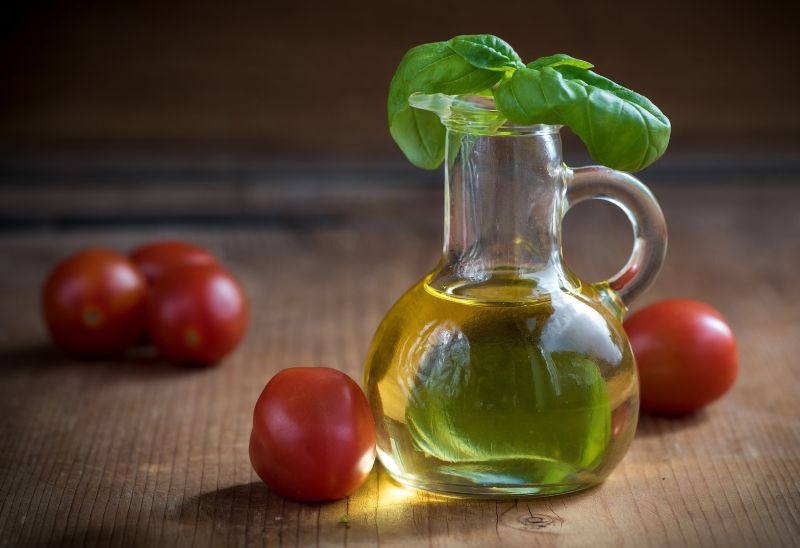
It is a mixture of eight chemically similar substances with related effects (referred to as tocopherols and tocotrienols – alpha, beta, gamma, delta). The most widespread is D-α-tocopherol, which also possesses the highest antioxidant activity. It is one of the fat-soluble (lipophilic) vitamins.
In the body, it is part of membranes, where it acts as the first line of defense against their peroxidation. It significantly protects the cardiac muscle from damage and is long-term recommended as excellent prevention against cardiovascular diseases (atherosclerosis).
Deficiency of vitamin E is often associated with impaired absorption or distribution of fats, such as in cystic fibrosis or in patients after bowel resection. It may manifest as neurological difficulties, reduced immunity, or gonad dysfunction, which can lead to infertility. Especially in newborns, the deficiency can cause anemia due to shortened red blood cell lifespan. Compared to other fat-soluble vitamins, tocopherol is relatively non-toxic. Long-term intake of high doses has been shown to impair the absorption of vitamin K with all its consequences.
High amounts are found in cold-pressed vegetable oils (sunflower oil, wheat germ oil). Other important sources include almonds and nuts, fish oil from salmon and tuna. Significant amounts are also found in leafy vegetables. Vitamin E is destroyed during culinary processing and food processing, including freezing.
RDA: adults 12 mg/day.
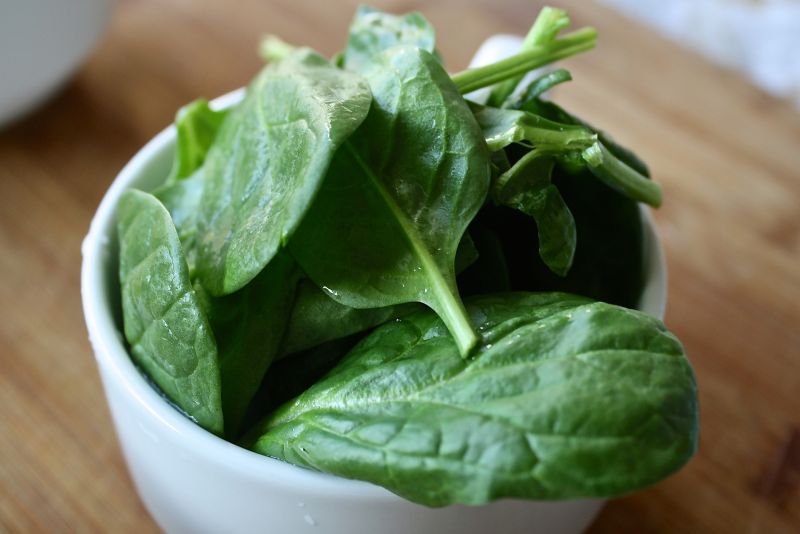
Its most important function is to support blood clotting. Its deficiency, most often caused by destruction of intestinal flora, leads to slowed blood clotting and increased bleeding. Vitamin K exists in two forms:
K1 is found in green leafy vegetables (lettuce, spinach).
K2 is produced in the small intestine by intestinal bacteria (approximately half of the daily requirement).
Excess vitamin K (most often due to an overdose of vitamin supplements) causes hemolysis (= breakdown of red blood cells). Vitamin K deficiency is generally caused by metabolism disorders, impaired liver function, or celiac disease.
The absorption of this vitamin is significantly decreased with the consumption of excess sugars, and/or the use of antibiotics.
RDA: 75 mcg / day

The most well-known, widespread, and most commonly used vitamin. Its chemical name – ascorbic acid – is derived from its ability to prevent scurvy (scorbutus). Vitamin C is one of the strongest water-soluble antioxidants.
It helps strengthen capillaries and cell walls and is fundamental in the formation of collagen (a protein found in connective tissues). Through this, vitamin C prevents various bruises and blood effusions, supports healing, limits gum bleeding, or aids the body in absorbing iron from food. Its protective effect against heart diseases and cancer is also evidenced. Long-term use of vitamin C is a great prevention against the development of cataracts.
High amounts of this substance are found in citrus fruits, red peppers, strawberries, broccoli, and other types of fruits and vegetables.
RDA: adults 80 mg / day.

It functions in converting carbohydrates from food into energy. It helps maintain healthy nervous function (anti-stress vitamin). Its deficiency exhibits as irritability, depression, muscle weakness, or weight loss. Severe deficiency of B1 causes the disease beriberi (a disease that leads to mental disorder, muscle loss, paralysis, nerve damage, and death, currently very rare).
Thiamine sources: Lean pork, whole grains, nuts, and seeds.
RDA: adults 1.1 mg / day
It plays a vital role in the production of thyroid hormones that accelerate metabolism and help ensure energy needs for all body organs. It supports the production of immune cells essential for fighting infections. It also contributes to maintaining eye function – important for preventing cataracts.
Its deficiency is most commonly suffered by vegans, those using antibiotics, celiacs, and diabetics. Herbivores synthesize this substance in the digestive tract; humans must obtain it from food.
Riboflavin sources: Dairy products, liver, fish, whole grain bread, cocoa, nuts, and eggs.
RDA: adults 1.4 mg / day.

It is a common name for nicotinic acid and nicotinamide. It is necessary for releasing energy from food. Nicotinic acid can be used to lower cholesterol levels in the blood – preventing the release of fatty acids from adipose tissue leads to reduced formation of lipoproteins that carry cholesterol (this results in reduced cholesterol levels in the blood).
In high doses, niacin dilates blood vessels, which can be used in treating high blood pressure (hypertension). Mild deficiency shows as insomnia, loss of appetite, abdominal pain. Severe deficiency causes pellagra – it presents with weight loss, digestive disorders, dermatitis, and dementia (it occurs in areas where people's diet consists mainly of corn which contains no useable vitamin B3).
Niacin sources: Brewer's yeast, liver, tuna, turkey, sunflower seeds, beans, milk, eggs, leafy vegetables.
RDA: adults 20 mg / day.
Pantothenic acid must be continuously supplied through food, but its deficiency is rare, it is found practically in all foods. Deficiency manifests as burning foot syndrome, which was described in war prisoners – it appears as cramps in the legs, loss of appetite, insomnia, depression. Some studies have shown a connection between vitamin B5 deficiency and acne formation.
In the form of calcium pantothenate, it is added to cereal products, beverages, and vitamin dietary supplements.
Pantothenic acid sources: Meat and organ meats, whole-grain bread, legumes.
RDA: adults 6 mg / day.

It essentially includes 3 compounds – pyridoxol (pyridoxine), pyridoxal, and pyridoxamine. All these substances are effective as vitamins, their derivatives participate in the metabolism of amino acids and carbohydrates. More quantities are needed by individuals with high protein intake (athletes), women using hormonal contraception, individuals with celiac disease, and some chronically ill. In larger doses, they help treat anemia or neurological issues. Deficiency results in increased neuromuscular irritability (twitching eyelids – together with magnesium deficiency, and in children, even seizures), forgetfulness, inflammation of the mouth's mucous membranes.
Pyridoxine sources: Liver, pork, mackerels, eggs, yeast, potatoes, cabbage, spinach, kale, vegetables, carrots, nuts, cereals, and whole-grain bread.
RDA: adults 1.4 mg / day.

It is essential for the synthesis of nucleic acids, in hemopoiesis, and is of particular importance for normal fetal growth and development. Folic acid is recommended to be taken in increased amounts during pregnancy because it helps with cell division, supports fetal growth, and development of the nervous system (it is proven that taking folacin during pregnancy reduces the occurrence of congenital neural system defects). It is strongly thermolabile - up to 95% is destroyed by cooking.
Folic acid deficiency causes megaloblastic anemia – red blood cells are enlarged, deformed, and their ability to carry oxygen is compromised.
Folic acid sources: Leafy vegetables (spinach, broccoli, Brussels sprouts, etc.), yeast, and liver.
RDA: adults 200 mcg / day.
It is mainly vital for proper hemopoiesis function, involved in DNA and ATP synthesis, and essential for proper nervous system function. The proper intake of adequate amounts of vitamin B12 in the body improves memory, supports concentration, and reduces the risk of heart diseases. Vitamin B12 is part of the treatment regimen for liver, intestine, and pancreatic diseases. Cobalamin deficiency presents with anemia, weight loss, memory deterioration, reduced mental performance, and muscle coordination.
Cobalamin sources: Eggs, milk, cheese, meat, and organ meats. B12 is also present in plant sources, but in the form of its chemical analogs, which do not have such good bioavailability in the human body as their animal counterparts. There is a strong consensus (of global character) that a vegan diet, in the long term, cannot provide sufficient B12, leading to various health issues.
RDA: adults 2.5 mcg / day

Mgr. Martin Jelínek
Founder of NutriCourses, lecturer and author of the educational system in the field of nutrition. He has been systematically engaged in nutrition education since 1999. He is the author of the educational application ZOF and professional publications focused on nutrition and a healthy lifestyle.