
Author: Mgr. Martin Jelínek
Expertise: nutrition, education in nutrition
Last expert review: September 3, 2024

Water is chemically defined as H2O. In practice, we only encounter such water in its distilled form, which is not intended for regular consumption.
We talk about drinking water (meaning its long-term safe intake) at the point where it contains minerals—either in the form of free ions or dissolved inorganic salts (most commonly carbonates and bicarbonates). The most prevalent element in water is calcium, followed by magnesium at a significant distance, with other elements (sodium, iron, fluoride, etc.) trailing behind.
The content of these minerals in water determines its overall hardness. As the mineral content in water increases, so does the degree of unsuitability for regular consumption. Generally, water is considered hard if it contains more than 300 mg of dissolved substances per liter. On the contrary, undersaturated (significantly soft) water is defined for liquids with a dissolved substances content of less than 100 mg per liter.
There are ongoing discussions about what type of water (considering its hardness level) is "best" for long-term consumption. Generally, the opinion prevails that softer water is more suitable, which is characteristic of infant water (this belief is based on the notion that an excess of inorganic salts unnecessarily burdens the body in terms of poor usability, contributing to the development of atherosclerotic processes).
A highly debated topic is the quality of the water we drink. It is addressed at several levels:
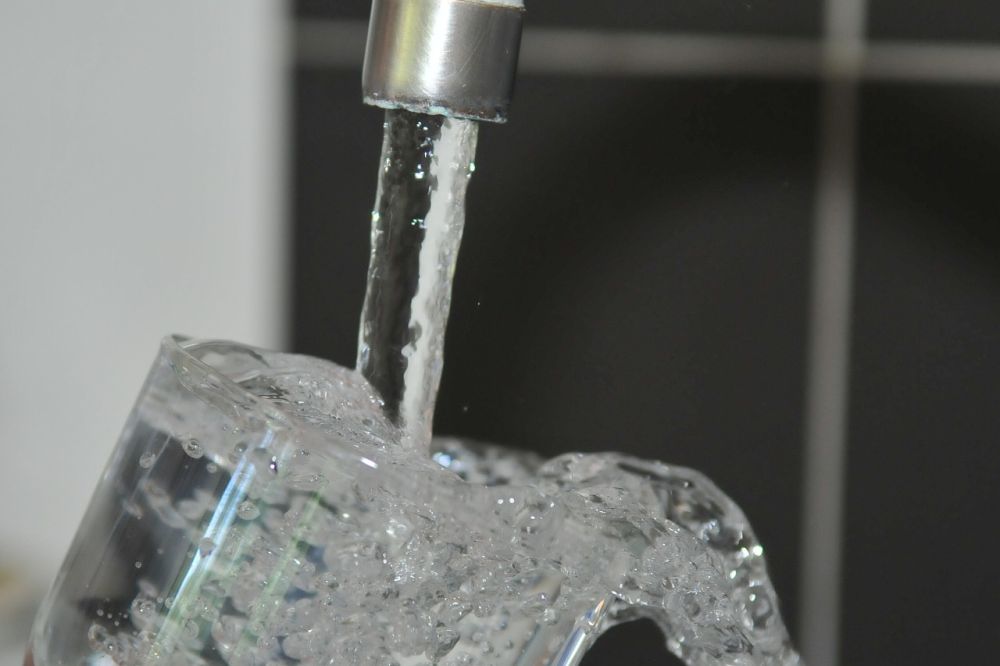
1. Quality of tap water.
On one hand, this involves assessing the quality of water processed in waterworks, which are required to adhere to legislative demands. On the other hand, it involves the distribution process through water pipelines, the condition of which can be described as "emergency"—from which a relatively wide range of substances can enter the water that should not be present in drinking water at all.
2. Quality of well water.
About 15% of our population uses well water for their drinking regime. It is most risky regarding the content of nitrogenous substances and microbial contamination.
3. Quality of bottled water.
The consumption of bottled water is extraordinarily high. Even at this level, risks exist regarding the content of certain undesirable substances. There have been cases where bottled water manufacturers used a different source than permitted by law. In other situations, chemicals (such as phthalates) can leach into the water from plastic.
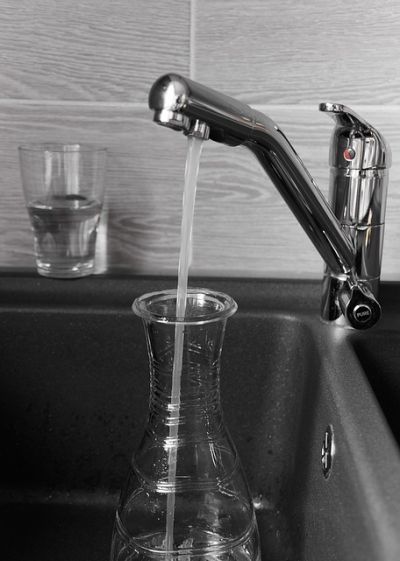
These are the main reasons why part of the population is turning to treating water using domestic water filters, which have become a very lucrative business in recent years. A wide range of different filtration technologies is used, and most manufacturers tend to combine them (mechanical filtration, reverse osmosis, ceramic filters, carbon blocks, ion exchange, etc.). Whether it's sensible to use them and which specific types are, of course, part of our study.

Mgr. Martin Jelínek
Founder of NutriCourses, lecturer and author of the educational system in the field of nutrition. He has been systematically engaged in nutrition education since 1999. He is the author of the educational application ZOF and professional publications focused on nutrition and a healthy lifestyle.