
Author: Mgr. Martin Jelínek
Expertise: nutrition, education in nutrition
Last expert review: September 3, 2024
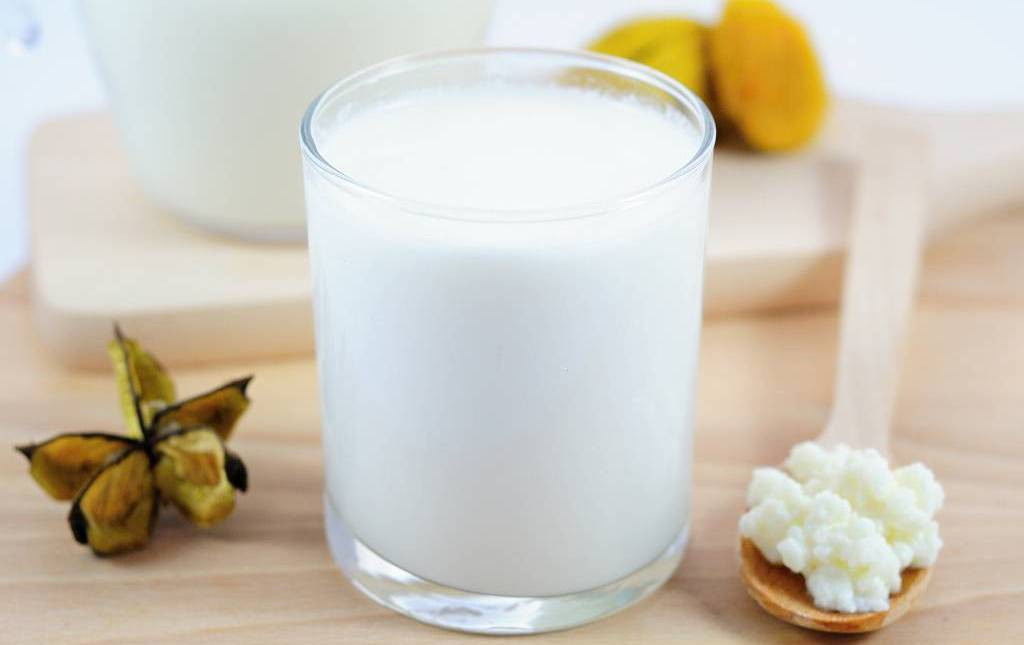
Fermentation is a process in which microorganism enzymes (= bacteria, molds, yeasts) participate in the transformation of organic substances in food, leading to the formation of new substances.
There are several types of fermentation (butyric, alcoholic, acetic, citric, propionic…), in nutrition, with respect to health benefits, lactic fermentation is most commonly cited:
In this process, lactic acid bacteria (e.g., acidophilic) produce lactic acid from simple carbohydrates. Depending on the specific types of bacteria used, the path fermentation takes can differ. For example, manufacturers of fermented dairy products experiment with various probiotics, as these allow them to alter not only the speed of controlled fermentation but especially the flavor of the final product (yogurts, kefirs, cheeses, etc.). Due to the more pronounced flavor, products sell better.
In addition to dairy products (for some cheeses - e.g., Emmental - propionic fermentation is used), fermented foods with lactic fermentation are most commonly encountered in:
1. Fermented vegetables (pickles).
In this case, fermentation is a natural way to preserve vegetables for a longer time fresh. Lactic acid ensures the so-called stability of vegetables in terms of their preservation (partly due to the included salt), increases the content of vitamin C, and improves the utilization of micronutrients in general, headed by the B complex vitamins and some minerals.
2. Teas.
Especially black tea. Technically, this is not a process of lactic fermentation but oxidation, during which the content of some alkaloids (caffeine) increases and the presence of some antioxidants decreases.
3. Soy derivatives – tempeh, miso paste, natto, soy sauces.
In these cases, fermentation breaks down many anti-nutritional substances and basic macronutrients (which results in better digestibility of the food), improves the quality of the included proteins, and increases the content of vitamin K (K2), which is, for example, important for the proper use of calcium.
4. Bread containing sourdough.
An advantage of the lactic fermentation process is also the bactericidal effect of lactic and acetic acid. Sourdough bread thus boasts a longer shelf life and is less prone to mold formation.
It's possible to ferment the majority of foods, but many of them are not taste acceptable for most consumers, nor commercially available. The benefits of consuming fermented foods are, however, undeniable:
A) They are more digestible.
B) They have a better biological availability of important nutrients.
C) They boast bactericidal effects.
D) They contain a higher amount of short-chain fatty acids (SCFA), which have a significant impact on the functioning of the gut microbiota and, ultimately, affect various functions of the body (supporting the immune system, etc.).

Mgr. Martin Jelínek
Founder of NutriCourses, lecturer and author of the educational system in the field of nutrition. He has been systematically engaged in nutrition education since 1999. He is the author of the educational application ZOF and professional publications focused on nutrition and a healthy lifestyle.