
Author: Mgr. Martin Jelínek
Expertise: nutrition, education in nutrition
Last expert review: September 3, 2024


Minerals are present in the body in only small quantities — they make up approximately 4 percent of body weight. These inorganic substances are essential for a variety of life processes, being, for example, an integral part of the structure of antioxidant enzymes (selenium in glutathione peroxidase, zinc, copper, and manganese in superoxide dismutase). Our body, like vitamins, cannot produce them, therefore they must be obtained through diet or drinking.
Based on their total amount in our body, they are divided into two categories:
Calcium, magnesium, chlorine, phosphorus, potassium, sodium, and sulfur. Their amounts are measured in grams to milligrams.
The amount needed to maintain good health is very small, measured in micrograms. These include chromium, iodine, zinc, selenium, iron, etc.

It is one of the most well-known minerals. In modern diets, it is often lacking due to the reluctance of people to eat foods with high natural calcium content, or because of poor biological availability when combined with substances that inhibit its absorption. This, however, doesn't mean that calcium is a deficient mineral. In our population, there are common situations where this element is in excess. Reasons include the consumption of hard water, the presence of calcium salts as additives, high intake of dairy products, and a magnesium deficiency which affects the absorption level of this element.
Calcium is a fundamental component of bones and teeth, providing them with strength and shape. A relatively small amount is contained in blood plasma, assisting in the transfer of nutrients through cell membranes. It is also essential for proper blood clotting and muscle function (together with magnesium, they affect neuromuscular coordination — more calcium results in increased muscle tone, more magnesium has a relaxing effect). Sufficient and long-term intake of a well-utilized form of calcium is, for example, an important prevention in fighting osteoporosis.
The most well-known and reasonably abundant source of calcium is dairy products. Their content varies widely depending on the product type (least in milk, most in cheese and curd). Other attractive sources include poppy seeds (the richest calcium source), almonds, cashews, and figs.
RDA: Adults 800 mg / day.

Magnesium is involved in energy production, plays an important role in nerve functions and muscle relaxation, and is a crucial element in bone and tooth formation. Together with calcium and potassium, it regulates heart rhythm and blood clotting and aids in the formation and use of insulin. Regular and adequate magnesium intake can help prevent type 2 diabetes. The population generally suffers from magnesium deficiency due to low intake or calcium excess, which suppresses magnesium metabolism in such situations.
Good sources of magnesium are whole grains, legumes, nuts, brewer's yeast, dark green leafy vegetables, cocoa, chocolate, and some marine animals (crustaceans, mollusks) as animal sources.
RDA: Adults 375 mg / day.

Potassium is the third most abundant mineral in the body. Along with other minerals, it helps conduct nerve impulses and regulates heart rate and pressure. Its important role also lies in maintaining the amount of fluids in cells (in this case, it is the counterpart to sodium, which affects the amount of extracellular fluids). Potassium also supports the conversion of blood sugar into glycogen (a storable form of energy stored in the liver and muscles). It is a natural diuretic.
Potassium is abundantly found in fresh fruits and vegetables, and good sources also include meat (poultry) and dairy products.
RDA: 2 g / day
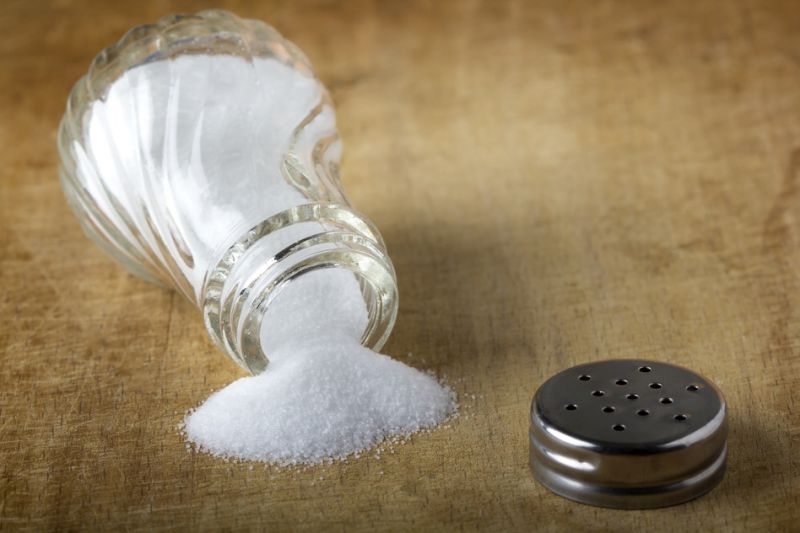
Sodium is the most important cation of extracellular fluid. A very important role of sodium is to maintain the necessary osmotic pressure of body fluids. This protects the body from excessive fluid losses. Sodium also plays a role in maintaining proper muscle excitability and cell membrane permeability. Excess sodium causes fluid retention, which can result in high blood pressure. It can also lead to stomach lining damage (the stomach may further be damaged by digestive enzymes), increased bone fragility (increased sodium excretion is accompanied by increased calcium excretion), and kidney stone formation.
Sodium deficiency usually does not stem from inadequate intake, but rather from increased water retention or increased excretion of this mineral. Water retention can be caused by improper secretion of antidiuretic hormone, while increased excretion can occur during severe vomiting, intense sweating, and certain kidney diseases. Sodium deficiency has been observed in individuals with abnormally high physical activity (marathoners, triathletes). Sodium deficiency can also be caused by various medications, such as diuretics, non-steroidal anti-inflammatory drugs, opioids, antidepressants, etc. Symptoms of sodium deficiency can include headaches, vomiting, muscle weakness, cramps, confusion.
RDA: 500 mg/day (equivalent to, for example, 1.25 g of table salt).

Selenium acts as a strong antioxidant (it is part of an important antioxidant enzyme — glutathione peroxidase), which is related to its role in the immune system function (selenium deficiency in the diet weakens the immune system). It also plays a role in preventing cataracts (gray cataract) and macular degeneration of the retina — the main causes of vision disorders in older people. It is necessary for proper growth, fertility, and preventing various diseases.
The selenium content in foods is very variable and depends on the selenium content in the soil.
Among the richest sources of selenium are Brazil nuts, seafood, and meat (offal).
RDA: Adults 55 mcg / day.

The amount of iron in an adult's body is about 4 grams. The largest portion (70%) of iron in the human body is contained in the red blood pigment hemoglobin, which is part of red blood cells (they ensure the transport of oxygen from the lungs to other tissues). About 15-30% of iron in the body is so-called stored iron, which is bound to proteins.
With iron deficiency, less red blood pigment is produced, leading to so-called anemia (anemia). This condition results in inadequate oxygen supply to the tissues. The deficiency first affects tissues most dependent on oxygen — the brain, muscles, and skin. Overall, anemia and the resulting increased oxygen demand manifest as a feeling of shortness of breath even with little exertion. Iron losses are about 0.5-1 mg per day. Women experience greater losses of 1.5-2 mg due to menstruation. Higher consumption is also found in athletes due to the high degree of oxygenization.
Most of the iron, nearly half of the daily dose, is obtained through the consumption of meat and offal. Despite containing a considerable amount of this element, iron from plant sources is poorly absorbed because it is bound to some phytochemicals (phytates). Vegetarians are therefore forced to focus more on ensuring adequate iron intake. Among plant products, significant sources of iron include wheat germ, beans, lentils, apricots, plums, nuts, and almonds. Adequate iron intake can also be promoted by consuming vitamin C.
Iron absorption is reduced by factors such as high fiber content in the diet, excessive consumption of tea or coffee, and some medications that lower stomach acid content (antacids).
RDA: Adults 14 mg / day.

Phosphorus is (after calcium) the second most abundant mineral in the body. Approximately 85% of the total amount is contained in bones and teeth, with the rest distributed in the blood and some tissues. One of the most important roles of phosphorus is collaborating with calcium in the formation of bones and maintaining healthy teeth. It is also part of the structure of adenosine triphosphate (ATP), a substance that provides energy to all body cells.
Phosphorus deficiency is very rare and can lead to brittle bones and teeth, fatigue, and overall body weakness. In practice, we are more likely to encounter the opposite problem — due to the excessive consumption of cola drinks, processed cheeses, and processed meats, where phosphorus is present in the form of salts (phosphates), most of the population has an excess of this element.
The vast majority of people obtain enough of this mineral from a regular diet (marine fish, nuts, dairy products, egg yolk).
RDA: Adults 700 mg / day.

The most important function of chromium in our body is to support the use of insulin (the hormone that carries blood sugar into cells, where it is then used as an energy source). Adequate chromium intake can prevent diabetes in people with insulin resistance.
Regular intake of sufficient chromium can also reduce levels of LDL (bad) cholesterol and triglycerides in the blood. Chromium is often promoted concerning weight loss, but these effects are debatable.
Foods containing chromium include whole grain products, prunes, nuts, yeast, and seafood.
RDA: Adults 40 mcg / day.
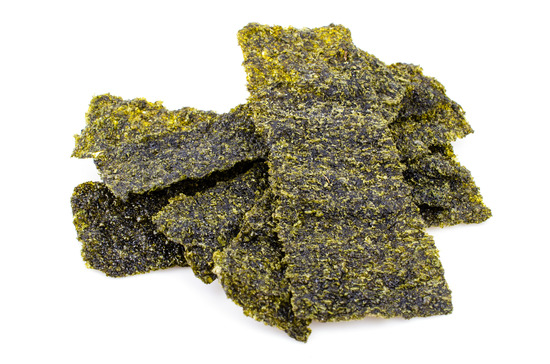
Even though our body only needs a minimal amount of this element, it is so important that it is added to various foods, most commonly salt. Nearly 2 billion people worldwide suffer from iodine deficiency. Iodine has only one function in our body — it is vital for the thyroid gland for the production of thyroxine (a hormone that regulates metabolism in all body cells). The thyroid gland influences children's growth, reproduction, nerve and muscle function, protein and fat metabolism, as well as nail and hair growth. Iodine deficiency causes the thyroid gland to enlarge, known as a goiter.
The richest sources of iodine are marine animals, with plant sources including, for example, seaweed. Inland populations generally lack this element in their diet, among available foods rich in iodine from our latitudes, we can mention aronia.
RDA: Adults 150 mcg / day.

Zinc is a component of a vast spectrum of enzymes necessary for wound healing, growth, maintaining fertility, and protein synthesis. It aids in cell division, protects vision, enhances immunity, and protects against free radicals. It is used for acne, a weakened immune system, benign prostatic hyperplasia, prostatitis (inflammation of the prostate), or insulin resistance syndrome.
Good sources of zinc are eggs, meat, oysters, seafood, pumpkin seeds, and wheat germ. Zinc deficiency is quite common among people living in poor countries. Even in developed countries, pregnant women with lower intake may suffer from borderline zinc deficiency. Generally, zinc deficiency is most common among vegetarians, alcoholics, more often in men than in women.
RDA: 15 mg

Mgr. Martin Jelínek
Founder of NutriCourses, lecturer and author of the educational system in the field of nutrition. He has been systematically engaged in nutrition education since 1999. He is the author of the educational application ZOF and professional publications focused on nutrition and a healthy lifestyle.