
📅 3. 9. 2024
Fiber
Fiber is factually a part of the carbohydrate group. There are two basic types of fiber (found in plants): Soluble: It is composed of components of plant cells that swell in water (= it is hygroscopic). In the large intestine,...

📅 3. 9. 2024
Fiber is factually a part of the carbohydrate group. There are two basic types of fiber (found in plants): Soluble: It is composed of components of plant cells that swell in water (= it is hygroscopic). In the large intestine,...
📅 3. 9. 2024
Every food we have the opportunity to eat must be processed by the digestive tract. Individual nutrients are metabolized, and this whole process requires a certain amount of energy, time, and effort from the digestive system. We call these parameters...
📅 3. 9. 2024
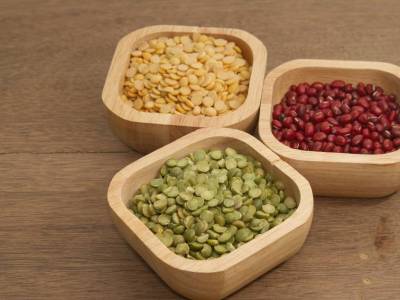
Antinutritional substances are a rather extensive group of components found in most foods of plant and animal origin. They occur naturally in them, and sometimes they enter foods due to improper technological processing. In recent years, they have been increasingly...
📅 3. 9. 2024
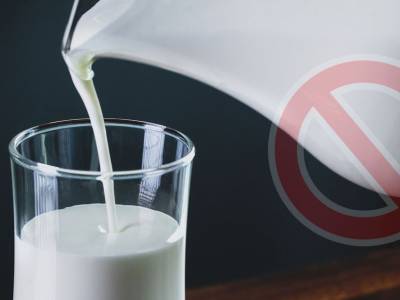
Digestive and absorption disorders of certain nutrients are a widespread problem. They most commonly manifest as bloating, flatulence, a feeling of poor digestion, diarrhea, abdominal cramps, and this may lead to gradual weight loss. Among the most common disorders is...

📅 3. 9. 2024
Histamine intolerance (HIT) is one of the frequently cited issues that are difficult to diagnose and treat.Every individual is sensitive to a different amount of histamine, manifesting through a range of different symptoms. Additionally, many other diseases are associated with...

📅 3. 9. 2024
Coeliac disease is a serious lifelong intestinal autoimmune disorder caused by intolerance to the protein gluten in the diet. It is an issue of the immune system, where gluten is mistakenly identified by the immunity (as a substance harmful to...
📅 3. 9. 2024
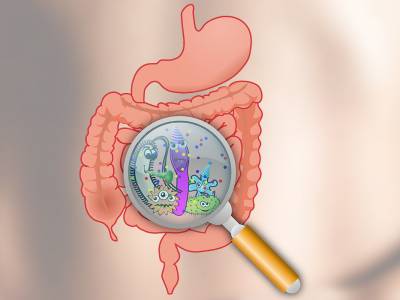
The gut microbiota is a specific system in the human body that determines the quality of the functioning of the entire organism. The colonization of the large intestine by microorganisms begins only after birth, when the first microorganisms are acquired...
📅 3. 9. 2024
FODMAP is a term composed of the initial letters of the words fermentable oligosaccharides, disaccharides, monosaccharides, and polyols. These are forms of carbohydrates that are difficult to break down and absorb in the small intestine. They pass into the large...
📅 3. 9. 2024
Intestinal peristalsis refers to the movement of the walls of the small and large intestines, which serves to propel their contents forward. These rhythmic movements are controlled by: 1. The autonomic nervous system.This ensures the automatic and unconscious movement...
📅 3. 9. 2024
This syndrome, although it affects the intestinal tract, influences the development of a wide range of diseases (fatigue, allergies, inflammations, autoimmune diseases, irritable bowel syndrome, cardiovascular diseases, etc.). Given the lifestyle currently preferred by the population, this problem is developing...
📅 3. 9. 2024
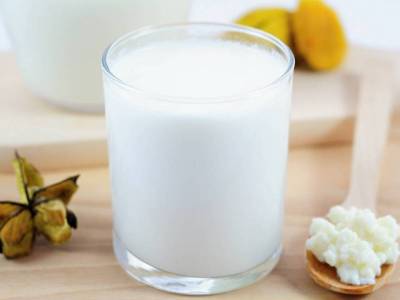
Fermentation is a process in which microorganism enzymes (= bacteria, molds, yeasts) participate in the transformation of organic substances in food, leading to the formation of new substances. There are several types of fermentation (butyric, alcoholic, acetic, citric, propionic…), in...
📅 3. 9. 2024
Under the term "food intolerances" are hidden various forms of intolerances to certain components in foods. They are caused by the loss of an individual's ability to digest a particular substance in food due to insufficient enzyme function. Unlike allergies,...

📅 3. 9. 2024
Irritable Bowel Syndrome (IBS) is a functional disorder of the colon. The most common symptoms include: abdominal pain and cramps, bloating, flatulence, urgency to defecate, intestinal issues - diarrhea, constipation, a feeling of incomplete evacuation after using the toilet, presence...
📅 3. 9. 2024
Candidiasis refers to the excessive activity of the yeast Candida albicans in the intestines, blood, and organs. This parasitic yeast normally lives in the intestines, genital organs, oral cavity, esophagus, and throat in balance with other bacteria, with overgrowth primarily...

📅 3. 9. 2024
Gallbladder function disorders are among the modern-day diseases associated primarily with dietary excess and improper diet composition. The most widespread problem is inflammation of the gallbladder, also known as cholelithiasis. Its occurrence and distribution are "interesting" - it affects not...

📅 3. 9. 2024
Hemorrhoids are enlarged varicose veins at the entrance to the rectum or directly in the rectum. They develop in more than 50 percent of people, though many are unaware of it. They usually cause discomfort when they become inflamed and enlarged, in such...

📅 23. 2. 2023
Athletes often have a unique approach to fiber. Some do not address its existence or significance at all. Others, on the contrary, anxiously avoid its intake because they fear potential consequences such as increased bloating and flatulence, which could complicate...