
📅 3. 9. 2024
Fiber
Fiber is factually a part of the carbohydrate group. There are two basic types of fiber (found in plants): Soluble: It is composed of components of plant cells that swell in water (= it is hygroscopic). In the large intestine,...

📅 3. 9. 2024
Fiber is factually a part of the carbohydrate group. There are two basic types of fiber (found in plants): Soluble: It is composed of components of plant cells that swell in water (= it is hygroscopic). In the large intestine,...
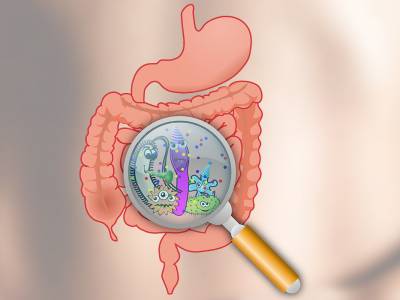
📅 3. 9. 2024
The gut microbiota is a specific system in the human body that determines the quality of the functioning of the entire organism. The colonization of the large intestine by microorganisms begins only after birth, when the first microorganisms are acquired...

📅 3. 9. 2024
FODMAP is a term composed of the initial letters of the words fermentable oligosaccharides, disaccharides, monosaccharides, and polyols. These are forms of carbohydrates that are difficult to break down and absorb in the small intestine. They pass into the large...

📅 3. 9. 2024
Intestinal peristalsis refers to the movement of the walls of the small and large intestines, which serves to propel their contents forward. These rhythmic movements are controlled by: 1. The autonomic nervous system.This ensures the automatic and unconscious movement...

📅 3. 9. 2024
This syndrome, although it affects the intestinal tract, influences the development of a wide range of diseases (fatigue, allergies, inflammations, autoimmune diseases, irritable bowel syndrome, cardiovascular diseases, etc.). Given the lifestyle currently preferred by the population, this problem is developing...

📅 3. 9. 2024
Fermentation is a process in which microorganism enzymes (= bacteria, molds, yeasts) participate in the transformation of organic substances in food, leading to the formation of new substances. There are several types of fermentation (butyric, alcoholic, acetic, citric, propionic…), in...

📅 3. 9. 2024
Irritable Bowel Syndrome (IBS) is a functional disorder of the colon. The most common symptoms include: abdominal pain and cramps, bloating, flatulence, urgency to defecate, intestinal issues - diarrhea, constipation, a feeling of incomplete evacuation after using the toilet, presence...

📅 3. 9. 2024
Candidiasis refers to the excessive activity of the yeast Candida albicans in the intestines, blood, and organs. This parasitic yeast normally lives in the intestines, genital organs, oral cavity, esophagus, and throat in balance with other bacteria, with overgrowth primarily...

📅 21. 3. 2022
Dementia is a mental illness that affects certain brain functions and manifests as an impairment of intellect, memory, and personality. The most common cause is Alzheimer's disease, with the main risk factor being age. This issue is being increasingly discussed...