
Author: Mgr. Martin Jelínek
Expertise: nutrition, education in nutrition
Last expert review: April 3, 2022
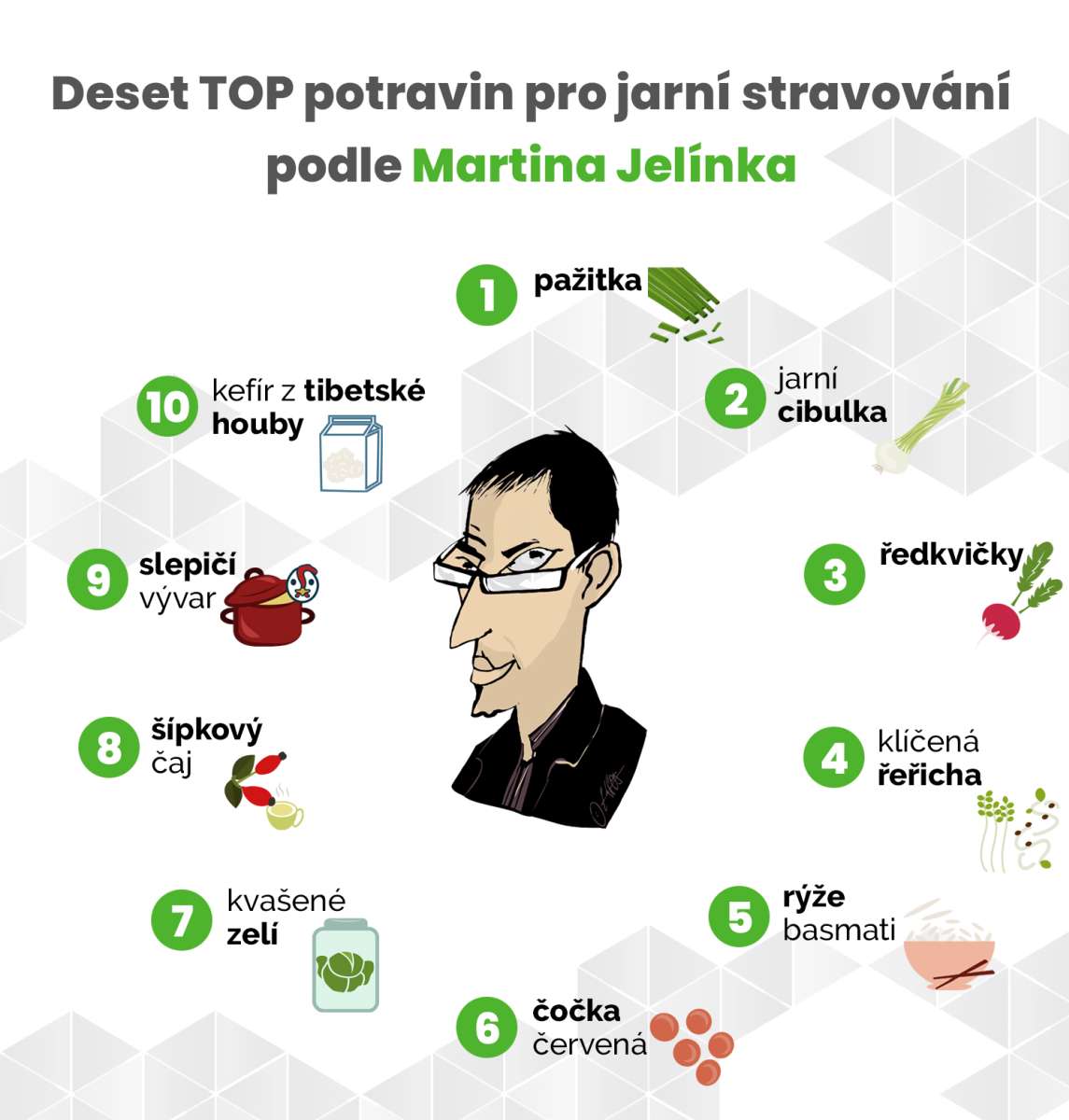
The transition from one season to another is usually accompanied by several challenges. The body begins to awaken from winter dormancy and is forced to adapt to changes in temperature and humidity of the air, as well as increased physical activity with improving weather. An interesting challenge is also brought by the change on the plate, reflecting the possibility of consuming fresh foods typical of spring and ingredients whose effects cater to increased spring activities.
Let's look at the benefits offered by selected foods for the spring season:
20 g (1/4 šálku)
Energie kcal:
Bílkoviny:
Sacharidy:
Cukry celkem:
Tuky:
Vláknina:
Vl. rozpustná:
Vl. nerozpustná:
Draslík:
Vápník:
Hořčík:
Vitamín C:
Chives are low in energy but rich in micronutrients - vitamins, minerals, and antioxidants. In the kitchen, they are mainly used as a garnish. Although their amount on the plate is small, regular consumption - similar to other members of the garlic family they belong to - shows anticancer effects. [1]
10 g (1 polévková lžíce,1 kus)
Energie kcal:
Bílkoviny:
Sacharidy:
Cukry celkem:
Tuky:
Vláknina:
Vl. rozpustná:
Vl. nerozpustná:
Draslík:
Vápník:
Hořčík:
Vitamín C:
Spring onion is a reliable source of fiber, particularly soluble fiber, with a rich presence of inulin. Like garlic, it also contains a range of specific substances with antimicrobial and anticancer effects. [2]
100 g (1/2 šálku)
Energie kcal:
Bílkoviny:
Sacharidy:
Cukry celkem:
Tuky:
Vláknina:
Vl. rozpustná:
Vl. nerozpustná:
Draslík:
Vápník:
Hořčík:
Vitamín C:
The root of radish is commonly consumed, but in the kitchen, the leaves can also be used (similar to spinach). It is a phenomenal source of a variety of phytonutrients (flavonoids, polyphenols, terpenes, glucosinolates) with a broad spectrum of health benefits. [3]
10 g (1 polévková lžíce)
Energie kcal:
Bílkoviny:
Sacharidy:
Cukry celkem:
Tuky:
Vláknina:
Vl. rozpustná:
Vl. nerozpustná:
Draslík:
Vápník:
Hořčík:
Vitamín C:
Sprouted seeds are primarily used as a garnish and to enhance dishes. They are considered a key source of nutrients that suppress oxidative stress, the development of inflammation, or mutations leading to tumor growth. [4]
100 g (1/2 šálku)
Energie kcal:
Bílkoviny:
Sacharidy:
Cukry celkem:
Tuky:
Vláknina:
Vl. rozpustná:
Vl. nerozpustná:
Draslík:
Vápník:
Hořčík:
Vitamín C:
The advantage of basmati rice is its easy digestibility and a high content of substances essential for proper metabolism - particularly fiber and some minerals.
50 g (1/4 šálku)
Energie kcal:
Bílkoviny:
Sacharidy:
Cukry celkem:
Tuky:
Vláknina:
Vl. rozpustná:
Vl. nerozpustná:
Draslík:
Vápník:
Hořčík:
Vitamín C:
Lentils, as a typical representative of legumes, primarily provide a sufficient amount of protein. They are a phenomenal source of fiber and potassium, positively influencing the behavior of the intestinal microbiota and the cardiovascular system. Peeled lentils also offer the advantage of significantly lower levels of antinutritional substances, which are most abundantly found in seed coatings.
50 g (1/3 šálku)
Energie kcal:
Bílkoviny:
Sacharidy:
Cukry celkem:
Tuky:
Vláknina:
Vl. rozpustná:
Vl. nerozpustná:
Draslík:
Vápník:
Hořčík:
Vitamín C:
Sauerkraut is a readily available representative of fermented foods, whose consumption significantly supports the activity of intestinal microorganisms. It is also presented as an important source of vitamin C and naturally fiber.
100 ml (1/3 šálku)
Energie kcal:
Bílkoviny:
Sacharidy:
Cukry celkem:
Tuky:
Vláknina:
Vl. rozpustná:
Vl. nerozpustná:
Draslík:
Vápník:
Hořčík:
Vitamín C:
Rose hip fruits may not be typically spring foods, but in dried form, they store well and can be a reliable source of vitamin C in the spring months, which is a crucial antioxidant with a broad range of health benefits. [5]
300 ml (1 1/8 šálku)
Energie kcal:
Bílkoviny:
Sacharidy:
Cukry celkem:
Tuky:
Vláknina:
Vl. rozpustná:
Vl. nerozpustná:
Draslík:
Vápník:
Hořčík:
Vitamín C:
Bone broths are a source of highly usable nutrients (minerals, proteins) that transfer to the water from the original raw material. Their use as a base for soups - preferably with vegetables - exhibits, for example, anti-inflammatory activity. [6]
10 ml (1 polévková lžíce)
Energie kcal:
Bílkoviny:
Sacharidy:
Cukry celkem:
Tuky:
Vláknina:
Vl. rozpustná:
Vl. nerozpustná:
Draslík:
Vápník:
Hořčík:
Vitamín C:
Consuming this kefir brings all the benefits associated with fermented dairy products. Its preparation at home is simple and quick, and its pleasantly sour taste can refresh and diversify the whole diet.

Mgr. Martin Jelínek
Founder of NutriCourses, lecturer and author of the educational system in the field of nutrition. He has been systematically engaged in nutrition education since 1999. He is the author of the educational application ZOF and professional publications focused on nutrition and a healthy lifestyle.