
Author: Mgr. Martin Jelínek
Expertise: nutrition, education in nutrition
Last expert review: September 3, 2024
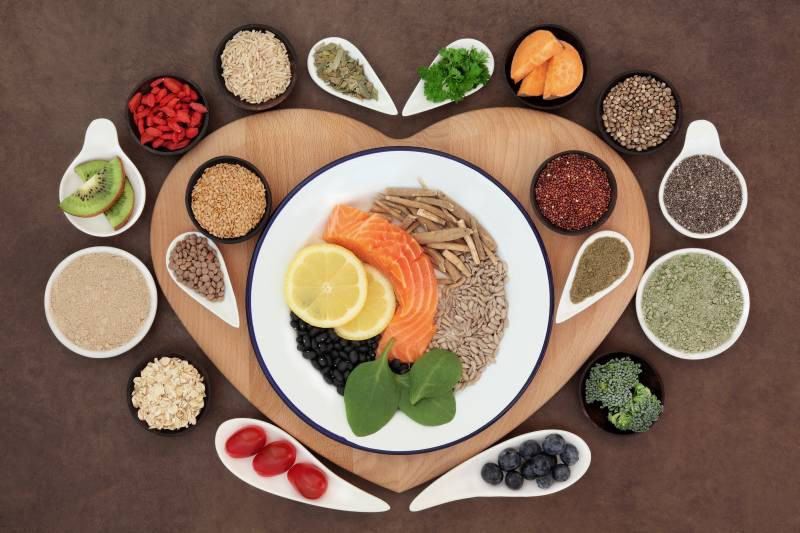
Working effectively with this first rule, which creates the gateway to the proper understanding of the Optimal Functioning Zone (OFZ), is greatly aided by specific values. Most of the Western world tends to evaluate diet based on the calculated amounts of important substances found in each food.
In general, the properties of the diet depend on the type and amount of nutrients present. Specifically, the way foods, when consumed, influence:
In order to work with diet to benefit our health or manipulate metabolism for specific purposes (such as sports activities, brain function, regeneration, etc.), it is necessary not only to know the composition of individual foods but also to understand how each component is processed during digestion and to what extent it can influence processes in the body.
In a simplified form, we can view the composition of foods as follows:
On a general level, foods contain nutrients present in relatively large amounts, known as macronutrients.
These include:
These substances fulfill numerous functions:
When developing any dietary regime, it is always necessary to monitor the amounts and ratios of these basic nutrients. This is relatively simple because their content in foods is well-documented. Everyone takes a different approach to nutrition—some authors base their philosophy on the precise numerical expression of nutrient content in the diet, while others rely on intuition and experience.
In teaching individual nutritional theories, we strive to prefer a holistic approach in our courses. Regarding the assessment of diet in relation to macronutrient content, this means it is necessary to be aware of their representation but not to build a diet plan solely on their amounts and ratios. Intuition based on experience (or understanding how the body reacts to food) is also crucial. By combining it with scientifically supported knowledge, we gain the ability to move in the right direction in nutrition.
The second group is micronutrients.
These are substances present in very small quantities, but they are critically important for the processing of macronutrients during their metabolism and determine the direction of individual biochemical reactions. They are essential for life, and like macronutrients, the body cannot produce most of them, thus they must be consumed through diet.
They can be found in both plant and animal food sources, but they are present in much greater amounts and broader spectrum in plants.
This group includes:
Each of these groups is extensive and chemically complex. Fortunately, it is not necessary to know every detail. For basic nutritional orientation, it is sufficient to know the general principles. These are simple and transparent:
1. These substances mutually influence each other in the organism.
In this regard, it is misguided to believe that consuming any of them in higher doses will solve our health issues. The goal is balance, best achieved by choosing a varied diet.
2. Most of these nutrients should be consumed in the diet every day.
Only some of them can be stored in the body, and this for varying durations. If we want to walk the path of balance in terms of diet and its relationship to health, it is sensible for the daily diet to be genuinely varied, ensuring the broadest possible spectrum of nutrients from each of the aforementioned categories.
3. Not all are beneficial to health, especially concerning phytochemicals.
The most frequently mentioned are anti-nutritional substances, which complicate digestive processes (causing bloating and gas—mostly legumes), worsen the absorption of certain nutrients, or damage our health in various ways. When selecting suitable foods, it is meaningful to focus on those containing minimal amounts of these components. Additionally, in many cases, their amounts can be reduced through various culinary or technological modifications.

Mgr. Martin Jelínek
Founder of NutriCourses, lecturer and author of the educational system in the field of nutrition. He has been systematically engaged in nutrition education since 1999. He is the author of the educational application ZOF and professional publications focused on nutrition and a healthy lifestyle.