
Author: Mgr. Martin Jelínek
Expertise: nutrition, education in nutrition
Last expert review: September 3, 2024

Menopause (referred to as the female transition or climacterium) occurs in a woman's life when the body is no longer capable of reproduction and carrying a child to term, resulting in the cessation of the menstrual cycle. This state most commonly occurs between the ages of 50-55, though it often shifts to either side, so a general range of 45-60 years is given. During this period, there is a rapid decline in estrogen production, accompanied by a range of metabolic, psychological, and hormonal changes. The climacterium commonly lasts for several years.
The onset of menopause is influenced by several factors. Some of these cannot be controlled by the woman, while others can be:
1. Non-controllable.
2. Controllable.
Hormonal changes result in:
Diet modification during this period involves following several rules:
1. Adjustment of the proportion and quality of proteins.
Hormonal changes lead to a decrease in muscle mass. It is therefore desirable to monitor the proportion of proteins in the diet.
2. Adequate intake of calcium and magnesium.
Calcium, together with other factors, determines among others bone density, i.e., prevention of developing osteoporosis.
3. Increased intake of vitamin D.
This is particularly important for supporting calcium utilization. We have a significant deficiency of this vitamin, so in addition to diet, supplementary supplementation is beneficial.
4. Ensuring sufficient fiber.
This rule overlaps with most nutritional recommendations. In the context of menopause, it is especially significant for supporting the activity of gut microbiota, which governs many metabolic processes in the body.
5. Adjustment of the amount and quality of fats.
It is crucial to monitor the ratios of fatty acids (saturated vs. unsaturated, possibly omega-3 vs. omega-6).
6. Increased intake of phytoestrogens.
It is advisable to regularly include sources of phytoestrogens in the diet, such as legumes, flaxseeds, or dietary supplements.
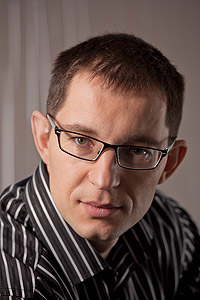
Mgr. Martin Jelínek
Founder of NutriCourses, lecturer and author of the educational system in the field of nutrition. He has been systematically engaged in nutrition education since 1999. He is the author of the educational application ZOF and professional publications focused on nutrition and a healthy lifestyle.