
Author: Mgr. Martin Jelínek
Expertise: nutrition, education in nutrition
Last expert review: February 26, 2023
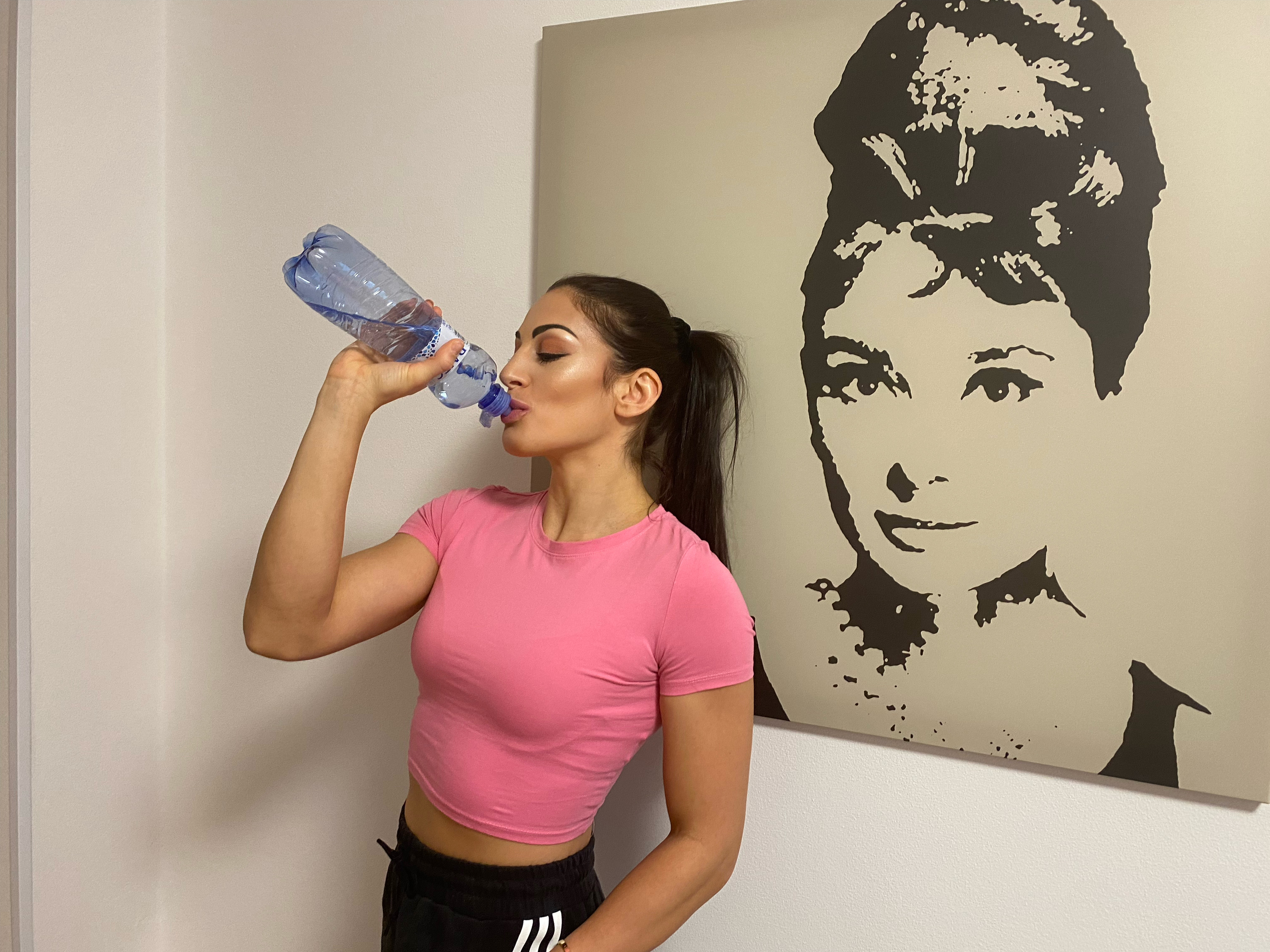
For the body to be able to perform work, it needs an adequate amount of water. The foundation of any athletic performance is therefore sufficient hydration. Manufacturers of sports nutrition are aware of this and are trying to determine what the optimal composition of fluids consumed in the pre-load phase, during training, and post-exercise should look like. As a result, the market is flooded with a plethora of electrolyte drinks promising athletes almost "the moon on a stick." Today we will avoid discussing which one is better or more beneficial and focus on what and why Lucka drinks.
Everyone understands that the basis of any drinking regimen is water. The first consideration should not be the quantity to drink, but its quality. This depends on three basic factors:
1. The first factor is purity in terms of the potential content of undesirable (= harmful) substances.
There is ongoing discussion about the existence and impact of a host of compounds collectively called "xenobiotics" (foreign substances arising from human industrial activity, with toxic effects). For this reason, it makes sense to seek out sources of water where the risk of potential contamination is minimized. Although this advice sounds good, it is quite difficult to implement because there is no accessible and reliable way to determine what we are actually drinking with water. An undeniable advantage is the use of domestic water filters, or opting for bottled water.
2. The second factor is the content of minerals.
The mineral content in water is a factor that determines its hardness. The most commonly represented element is calcium, followed by magnesium and several others. Generally, it is most beneficial to drink soft water (apologies to manufacturers, sellers, and promoters of mineral waters, which are extremely hard in terms of high mineral content and their salts). In this regard, infant-quality water offers an ideal example.
3. The third factor is the presence of substances that we use to "enhance" the nutritional profile of the fluid.
Here we are talking about the products such as electrolyte drinks which contain a range of substances - minerals, vitamins, sugars, stimulants... These naturally serve their function, meaning they work; however, the debate remains about their suitability and usefulness. In particular, the content of minerals and sugars should be of interest to every athlete, as under normal conditions, there should be no problem handling training of 90-120 minutes in full efficiency without supplementing these components.
In practice, not everyone is willing to abandon established patterns of behavior and replace overly sweet sports drinks with "plain" water. Luckily, Lucka never had to deal with this; she is accustomed to consuming pure water during training throughout her life.
Once the athlete resolves the dilemma of what to drink, the question of how much arises. There are calculations aiming to uncover the optimal volume of fluids, but in practice, they fall short. The issue is that it is impossible to factor into a mathematical formula the elements that have the most significant impact on fluid loss - namely temperature and humidity of the environment or the function of sweat glands. In relation to physical activity, it should be a rule to drink more than thirst dictates. The greatest danger for athletes is dehydration, which can reduce performance by up to tens of percent. These are values which should not be underestimated. Lucka's daily fluid intake varies greatly, depending on the number of workouts, including their character (scope, intensity, environment temperature). However, the standard is the consumption of 1.5 liters of plain water per training session.
Another topic in the realm of drinking regimens is the attempt or need to monitor the water cycle. This refers to the process of fluid exchange between the body and the environment, which for athletes relates to one crucial rule: The excretion of water from the body (breath, sweat, urine, stool) is always accompanied by the excretion of mineral substances. This is fine because it is a natural process. The more water we excrete, the greater the amount of mineral salts leaving the body. If the situation goes to extremes (too large volume of fluid intake leading to increased excretion, or, conversely, intense sweating), the body begins to suffer from a deficiency of certain elements, most commonly cited are sodium, calcium, and magnesium. In this state of electrolyte imbalance, fatigue dramatically increases, and the athlete risks muscle cramps and injury. Therefore, not every effort to consume a large volume of fluids or intense sweating (also in relation to pre-competition dehydration) is beneficial for the athlete.
Common sense in the approach to a drinking regimen also dictates that we consume fluids to hydrate ourselves. A significant portion of the athletic community interprets this meaning in their way and bravely imbibes drinks with diuretic effects. Typical examples are alcohol and, to a certain extent, coffee. Such support for increased excretion of fluids and consequently mineral substances does not favor the need to maximize performance.
Lucka doesn't drink alcohol at all but has a very friendly relationship with coffee, which is why we will focus on this beverage in the next part of this series.

Mgr. Martin Jelínek
Founder of NutriCourses, lecturer and author of the educational system in the field of nutrition. He has been systematically engaged in nutrition education since 1999. He is the author of the educational application ZOF and professional publications focused on nutrition and a healthy lifestyle.