
Author: Mgr. Martin Jelínek
Expertise: nutrition, education in nutrition
Last expert review: April 19, 2023
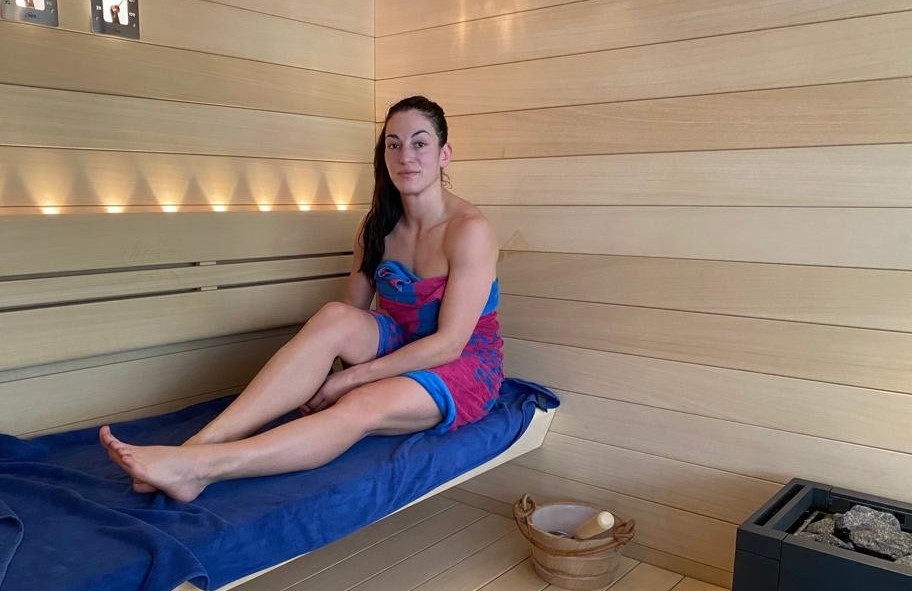
The advertised matches took place in Hungary over the weekend of 15-16 April 2023. At first glance, it may not seem like a major competition, but for the whole team, it was extremely important and even crucial. Lucka had relatively little time to switch from the mental and physical state of a professional boxer to amateur rules. The quality of her training was also somewhat affected by an antibiotic regimen that led to the cancellation of the title fight. Let's take it step by step, starting from the end—even though the final preparation didn't go according to plan, the sporting campaign was victorious. And the result is the only thing that sports history remembers.
Today's talk will be specific in that we will reveal the methods used to prepare Lucka in the final week before the match.
A week that is extremely stressful for athletes with weight categories.
A week during which it is decided what form the boxer will step into the ring with and how they will showcase their performance.
A week that we had planned down to the last detail, and yet the only one who had the truth in that situation was the body, which had a slightly different opinion.
The following lines will therefore be more of a recap of the entire preparation rather than a specific guide on how to proceed in similar situations. This is very important information for every athlete because the individual techniques we use with Lucka have been tested in practice on her individuality. It is therefore my duty to warn anyone interested in copying them that, at best, they risk unsuccessful results in terms of not achieving the desired weight loss, and at worst, an inappropriate reduction in performance.
If an athlete has the "bad luck" that their normal body weight sits halfway between two weight categories and their metabolic profile does not allow them to stabilize their weight at a level from which they do not have to shed several kilograms a few days before the competition, they are forced to undergo a multi-day ordeal of dehydration. Because athletes typically have a competitive nature, leading them to push everything to extremes, it has become the norm in recent years to shed more weight before a match than is healthy. Evidence of this is the increasingly frequent phenomenon of totally dehydrated individuals staggering on the weigh-in stage, with even collapses not being an exception. Discussions about the consequences of these "suicidal" attempts to defy the limits defined by mother nature will be left for another time.
The fact is, during full training in recent weeks, Lucka managed to reduce approximately 3 kg. The matches were scheduled in the category for up to 57 kg, and we faced the challenge of shedding 4 kg. At first glance, this figure doesn't look daunting, more weight is commonly shed in practice. However, this is a deceptive appearance because it is necessary to consider:
- What is the starting body weight,
- What is the ratio of body fat,
- What is the amount of muscle mass,
- How does the lymphatic system work.
An individual with higher body weight can, when converted to absolute body water volume, dehydrate much more than a person with lower weight, which is a typical difference between men and women. An athlete with a higher body fat content that does not retain water has a smaller volume of muscle mass, which on the other hand is predominantly composed of water. It may happen that the lymphatic system retains more water for any reason, troubling women more frequently due to different hormonal regulation. In light of these factors, we experience situations of reducing 15 or more kilograms for men who weigh a hundred kilograms, where the stated 4 kilograms for Lucka appears to be a walk in the park.
Yes, 4 kilograms are basically "easily" manageable, but in the given situation, it is necessary to place them into context:
1. Professional fighters must meet the required weight the day before the competition.
They utilize intense sweating (sauna, warm water, thermal wraps...) and rely on the fact that in the subsequent 24 hours they will restore the functions of all systems in the body to their original state. The sad thing about this situation is that it is known (= it is proven) today that dehydration results in significant demineralization of the organism, which leads to a significant decrease in physical and mental performance during the second day. The differences can be truly significant, often in the range of 20-30%. Unfortunately, even a precisely composed diet supported by infusions cannot bring the athlete back to their originally "functional" state. And since we're talking about sport, there is not much point in discussing whether such a procedure is appropriate because the principles of professional sport stand and fall on pushing limits and exploring the boundaries of human capabilities. It is rather important to ask what potential lies within each individual and, above all, what are the paths to achieving it. One thing is the ability to "survive" drastic dehydration, another is to deliver the best possible performance one has been preparing for a lifetime.
2. Amateur athletes usually have weigh-ins on the day of the match.
The few hours between the weigh-in and the match are not enough for the body to rehydrate and simultaneously reach an operational state at a performance level. For these reasons, body weight is not manipulated to such a large extent.
3. Another "obstacle" to extensive dehydration for amateur athletes are situations where they compete several days in a row.
Dehydration on the day of the match with certain consequences on performance is a common practice. However, if the dehydration is based on sweating and the athlete is confronted with several such consecutive days, it becomes an unsustainable situation.
This brings us to the methods commonly used:
A) The simplest for the athlete is to sweat off the necessary kilos.
There are several options available—sauna, hot bath, thermal wraps... This method is effective in achieving quick results. The downside of this procedure is the risk of dehydration consequences (stress on the kidneys and cardiovascular system, demineralization leading to cramps and increased fatigue). The duration of such a procedure depends on the amount of weight the athlete needs to reduce—with increasing volume, the time investment extends (even to several days).
Part of the sweating process also involves a significant limitation of fluid intake. This combination is dangerous, and in an effort to avoid health complications, fluids are consumed in small amounts at regular intervals, preferably together with minerals.
Anyone who has tried such a procedure knows the level of stress the body undergoes and the extent to which it affects performance. As has already been mentioned—with the desire or need to meet the set weight limit, the perception of what the body can still handle shifts. Therefore, it is worth considering how much it pays to "stretch the string" and whether it's better to consider moving to a different weight category or rethink gaining efficiency in procedures leading to rapid weight loss.
B) Another method, naturally combined with sweating, is to reduce the amount of food intake.
Reducing fluid intake is naturally necessary, but it is important to think a bit when it comes to consuming solid food. It is logical that the need to remove every gram ultimately leads to a lack of food intake for a certain period. Ideally, to ensure intestinal tract emptying, which, depending on body weight and food composition, can be over two kilograms. Even here, with increasing fasting time, overall performance dramatically decreases. If the athlete wants to have these processes largely under control, it is advantageous for them to gradually prepare their body for it by adjusting the structure of the diet with the aim of ensuring regular stool, preferably at the same time each day. This includes:
- A regular and systematic food intake,
- Adequate amount of fiber in the daily diet as well as in individual meals,
- Monitoring the intake of foods influencing bowel peristalsis—in addition to the mentioned fiber sources, this primarily includes coffee.
In practice, this often looks like an athlete discovering two or three days before the weigh-in that weight is not decreasing as planned, succumbs to panic, and stops eating altogether. The body responds by slowing down metabolic processes, including bowel peristalsis, and constipation sets in due to stress. The athlete then cannot think of anything smarter than using a laxative or applying an enema, i.e., other methods reducing the body's ability to perform optimally when needed. However, the truth is, there simply come times when there is no other option at that moment. It's not bad to use these methods, but having them as part of a solid plan.
C) Part of manipulating food intake is trying to reduce the amount of water bound to glycogen in muscles and partly in the liver.
The amount of this stored animal sugar depends on:
- The amount of muscle mass—men have more than women,
- The level of training—trained individuals accumulate higher glycogen reserves,
- The form of physical load—strength athletes have the largest glycogen stores (the extreme being bodybuilding), endurance athletes the least,
- The type of diet—a high-carbohydrate approach retains more water than low-carb.
Although the content of glycogen in the body is a strongly individual factor, its average amount in the body is reported to be around 0.5 kg. One gram of muscle glycogen holds approximately 3 grams of water, slightly less for liver glycogen. When glycogen reserves are depleted, the body loses about 1.5 kg of water; in total, the balance accounts for two kilograms.
D) Another "ace up the sleeve" is "playing with the sodium-potassium pump".
For a layperson, this might sound terrifying, but it is, in fact, an essential foundation with which every athlete trying to fit into a lower weight category should work. The principle is simple, involving manipulating the intake of sodium and potassium. The role of sodium is to bind water into the intercellular spaces, whereas potassium's task is to pump water into cells. The process involves reducing sodium intake, with table salt being the richest source, while simultaneously increasing potassium intake. The body rewards this effort by increasing water excretion.
This method requires a systematic approach as the organism responds gradually over several days. It requires not only ceasing to salt food but also avoiding the consumption of foods containing hidden salt—typical representatives are cheese, processed meats, canned goods, with a major challenge being bakery products.
E) The final option to support water excretion from the body (not counting the use of diuretics, manipulation of which is life-threatening in such situations) is to increase kidney activity.
The procedure is carried out such that several days before the weigh-in (3-5) the athlete drinks a large amount of water, which forces the kidneys into higher activity in terms of excreting fluids through urine. In the following days, water intake is drastically reduced, with the day before the weigh-in being at an absolute minimum (the amount depends on whether the athlete is further dehydrating by sweating and the extent of physical activity).
This cocktail of methods forms the cornerstone of know-how leading to successful pre-competition weight reduction. It is up to each athlete to decide how to approach it, i.e., which techniques to use and especially how to merge them into a whole. And since every theory sounds good until it has to be implemented, let's look at what Lucka's pre-match week looked like. I want to emphasize beforehand that our goal was to avoid dehydration in warm environments (sauna, suits, hot water) at all costs. The reason is the demineralization of the body leading to an imbalance in electrolyte equilibrium, a factor that most reduces match performance. Although we do indeed anticipate sweating induced by movement, we have this as a backup variant we don't actually wish to implement:
SUNDAY 9.4.2023:
Weight (morning): 60.9 kg.
The amount of salt reduced to half of the standard amount used in food preparation.
Diet still in its original mode (three courses—breakfast, lunch, dinner).
MONDAY 10.4.2023:
Weight (morning): 60.7 kg.
We exclude salt from the diet.
Breakfast:
2 puffed rice cakes with 50 g of hummus
1 puffed rice cake with 50 g avocado
Leafy vegetables 100 g
Lunch:
Salmon 120 g
Buckwheat 50 g
Vegetables 150 g
Dinner:
Chicken broth 400 ml with carrots (50 g), peas (50 g), and nutritional yeast (10 g)
Brown rice 50 g
Tofu 150 g
Vegetables 100 g
TUESDAY 11.4.2023:
Weight (morning): 60.2 kg.
Breakfast:
Banana
Scrambled eggs 2 pcs with 50 g tofu and 50 g steamed onion in 5 ml olive oil
Leafy salad 50 g
Half an avocado
1 puffed rice cake
Lunch:
Chicken broth 400 ml with carrots (150 g) and nutritional yeast (10 g)
Meat 120 g
Potato 100 g
Leafy vegetables 50 g
Half an avocado
Dinner:
Broth 400 ml with nutritional yeast (10 g)
Salmon 120 g
Rice 40 g
Leafy vegetables 100 g
WEDNESDAY 12.4.2023:
Weight (morning): 59.5 kg.
Fluid regime - 5.5 liters of pure water per day.
Breakfast:
Banana
Scrambled eggs 2 pcs with 50 g tofu and 50 g steamed onion in 5 ml olive oil
Leafy salad 50 g
Half an avocado
1 puffed rice cake
Lunch:
Chicken broth 400 ml with carrots (150 g) and nutritional yeast (10 g)
Meat 120 g
Potato 100 g
Leafy vegetables 50 g
Half an avocado
Dinner:
Chicken broth 400 ml with nutritional yeast (10 g)
Salmon 120 g
Rice 40 g
Leafy vegetables 100 g
THURSDAY 13.4.2023:
Weight (morning): 58.8 kg.
Fluid regime: 0.8 liters of pure water per day.
Breakfast:
Scrambled eggs 2 pcs with 50 g tofu and 50 g steamed onion in 5 ml olive oil
Leafy salad 50 g
Half an avocado
Lunch:
Chicken broth 300 ml with carrots (150 g) and nutritional yeast (10 g)
Mozzarella 120 g
Leafy vegetables 100 g
Half an avocado
Dinner:
Chicken broth 300 ml with nutritional yeast 10 g
Salmon 120 g
Leafy vegetables 100 g
Half an avocado
FRIDAY 14.4.2023:
Weight (morning): 58.1 kg.
Fluid regime: 0.6 liters of pure water per day.
Breakfast:
Scrambled eggs 2 pcs with 50 g tofu and 50 g steamed onion in 5 ml olive oil
Leafy salad 50 g
Half an avocado
Lunch:
Broth 300 ml with nutritional yeast (10 g) and carrots (50 g)
Meat 120 g
Leafy vegetables 100 g
Half an avocado
Dinner:
Salmon 100 g
Leafy vegetables 100 g
Half an avocado
Weight (evening): 57.6 kg.
SATURDAY 15.4.2023:
Weight (morning): 57.3 kg.
Breakfast:
Egg 1 pc
Half an avocado
Leafy salad 100 g
Weigh-in 12:00 - 56.9 kg.
Lunch (12:30):
2 puffed rice cakes with 60 g hummus
1 puffed rice cake with 50 g mozzarella
Leafy vegetables 100 g
Match 16:00 - victory.
Dinner:
1 puffed rice cake with 40 g hummus
2 puffed rice cakes with 80 g mozzarella
Leafy vegetables 120 g
SUNDAY 16.4.2023:
Weigh-in 8:00 - 58.2 kg.
Breakfast:
Scrambled eggs 2 pcs
2 buns
Vegetables 150 g
Cheese 50 g
Lunch:
Salmon 120 g
Rice 80 g
Vegetables 150 g
Match 15:00 - victory.
Looking at the development of body weight throughout the week, notice how everything progressed in a practically textbook manner. As has been repeatedly noted, the goal was to avoid classic sweating in the sauna or hot water because in the ring, we want to deliver the best possible performance. We achieve the goal by combining:
1. Gradually reducing carbohydrate intake (side dishes, fruit),
2. Absence of salt,
3. Increasing potassium intake (meat, fish, avocado, vegetables),
4. Increasing kidney activity through fluid regime adjustment.
However, in reality, the final proceedings were not entirely perfect, as we were slightly caught off guard by the pitfall of long travel, which, in combination with pre-competition stress, slowed down bowel peristalsis. The calculation of weight loss also considers bowel movements, and the bowels simply decided not to stick to the prescribed schedule on Friday and Saturday. Lucka therefore had to sweat off the last 0.5 kilograms with a jump rope on Saturday before the weigh-in. A small flaw, which fortunately didn’t dampen the joy of a successful return to amateurs.
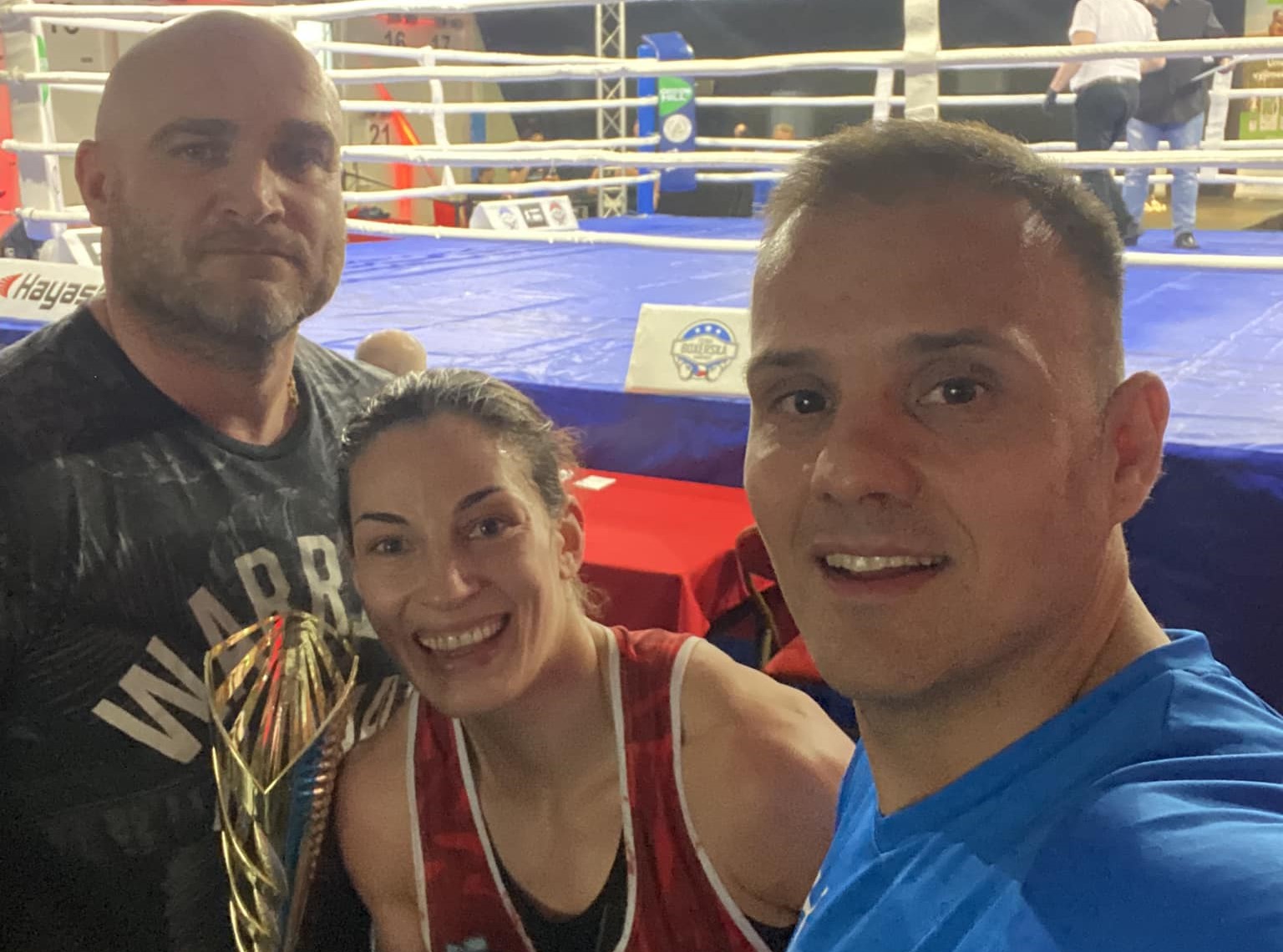
I conclude today's unveiling of pre-competition weight reduction with a warning for anyone interested in copying this approach: The regimen is tailored to Lucka, i.e., the choice of food and recipes, the volume of fluid intake, the timing of individual meals and fluid intake, and the sodium and potassium ratio settings correspond to her metabolic needs. As if that weren't enough, this is in the context of weekend matches. Preparation for the next match(s) will be again different. Additionally, for the female population, unpredictable behavior of hormonal regulation significantly contributing to increased water retention plays a role. However, this, too, can be fairly effectively managed through diet modification and supportive supplementation.
The next matches await us in 14 days—the Grand Prix Ústí nad Labem, 4-7 May 2023.
Mgr. Martin Jelínek
Founder of NutriCourses, lecturer and author of the educational system in the field of nutrition. He has been systematically engaged in nutrition education since 1999. He is the author of the educational application ZOF and professional publications focused on nutrition and a healthy lifestyle.