
Author: Mgr. Martin Jelínek
Expertise: nutrition, education in nutrition
Last expert review: March 16, 2023
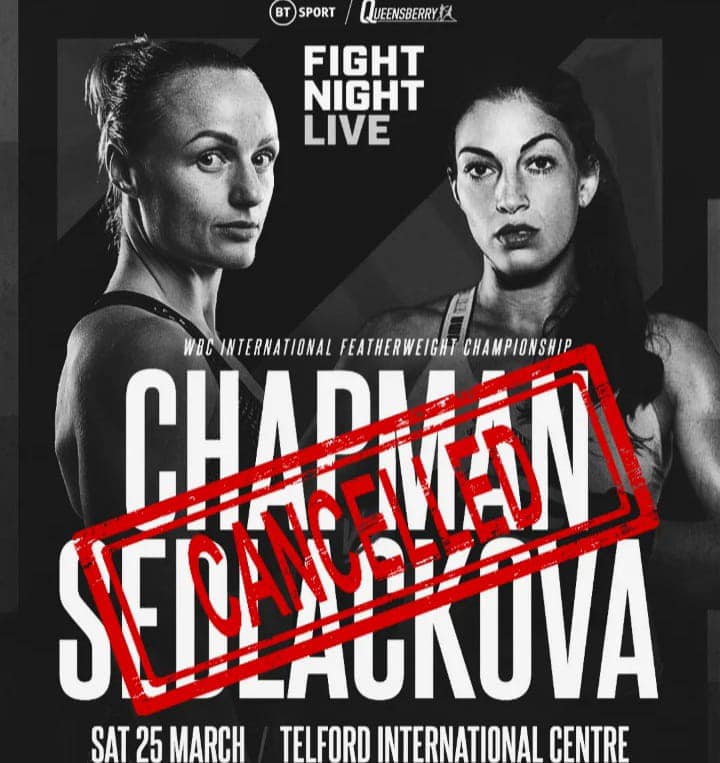
The career of a top athlete is practically without exception a roller coaster ride. The external reality, where wins alternate with losses, is just the tip of the iceberg, often distorted by media exposure and the effort to show the brighter side of the situation. Anyone who looks behind the scenes is confronted not only with the image of daily toil and pain, but also with the challenges of realizing that the human body is not a machine. A machine that could be programmed and would jump as its programmer dictates. It is a well-known fact that the homeostatic systems ensuring the smooth operation of the body have their limits, and the moment they are overloaded, the body as a whole refuses to continue on the original path. Athletes are thus troubled by either injuries or the inability of the immune system to handle excessive stress.
Sadly, this is exactly what happened to Lucka. Unfortunately, factors combined, where the immune system disliked the combination of two-phase exertion, constant inter-city travel for training, and weather favoring respiratory illnesses. What every athlete wants to avoid simply happened, and unfortunately, they do not always have the power to influence the situation. Lucka "encountered" tonsillitis, resulting in a ten-day course of antibiotics. Despite efforts to expedite the return to full training with all available supportive supplementation, the loss in preparation was so significant that 14 days before the match, the decision was made to cancel the event. Neither the opponent, whose team tried to find a solution in the form of rescheduling, was pleased with this, but unfortunately, it did not succeed.
The news is, of course, not cheerful, but on the other hand, it is a typical example of the everyday bread of top athletes. After the battle, everyone is a general, but in this situation, there's no point in replaying and looking for mistakes, as tonsillitis is precisely a typical example of treachery that cannot be completely filtered out of reality.
In the context of long-term plans, however, nothing changes, the goals are clearly set - Lucka entered a full training regime with a clear schedule of upcoming matches for the first half of this year, concluding with the qualification for the Olympic Games. Minor changes will occur on the plate, as the rules in amateur boxing differ slightly from professional boxing.
The previous preparation was aimed at reducing the body fat percentage to an attainable maximum. The remaining necessary weight will be removed a few days before the match through dehydration based on a scheme where, firstly, the intake of sodium and potassium in the diet is manipulated to reduce intercellular water content. If the situation arises where even this is not enough (which is not anticipated), the rest will be dehydrated through sweating. However, this is to be avoided at all costs, as the result is an inappropriate disruption of electrolyte balance, which ALWAYS leads to decreased performance. This topic will still be addressed in our series, and that on a fairly detailed basis.
Amateur boxing, however, monitors these situations more strictly and tries to prevent excessive weight manipulation shortly before the match. Lucka faces a longer stay in the weight category up to 57 kg, and unlike the professional ring, a series of several matches in a short time span, which does not allow for extensive dehydration.
For these reasons, we are changing the nutritional strategy. The goal is to further accelerate metabolic processes, hence the following changes will be made in terms of macronutrient representation:
1. Slightly decrease the fiber intake.
2. Increase its representation in cooking.
3. Slightly increase the intake of protein (approximately by 15%).
4. Temporarily reduce the intake of carbohydrates (approximately by 10%).
The fat content will remain unchanged, still at the lowest possible margin.
On the plate, these changes will be more visible:
1. Increase the ratio of animal foods.
2. This will result in a higher proportion of animal proteins, ensuring good digestibility.
3. Reduce the volume of vegetables and legumes as key sources of fiber.
4. Reintroduce sweet breakfast options, which Lucka so loves, into the regimen.
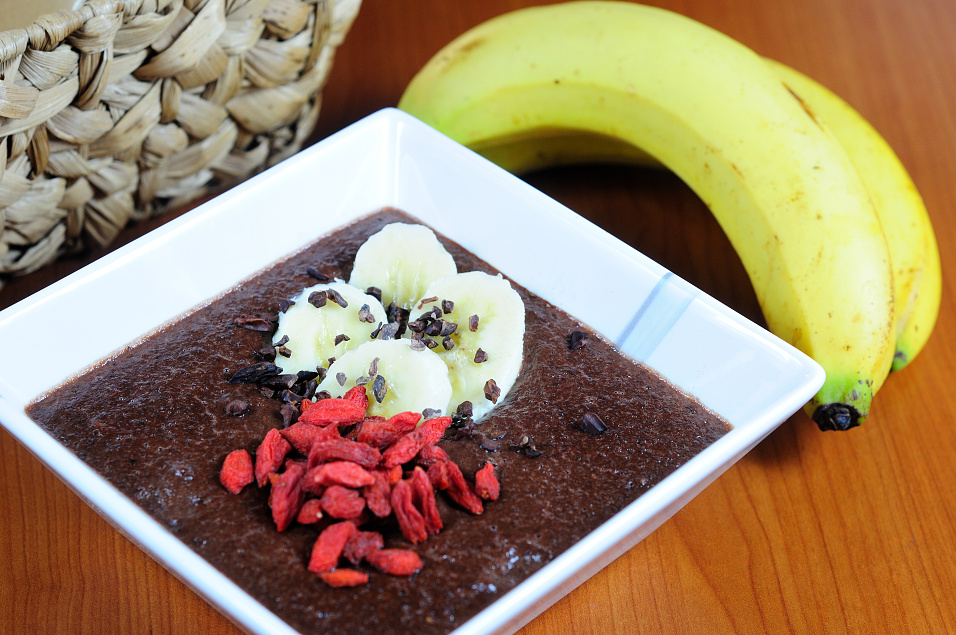
Shortly before the tonsillitis, we were dealing with stagnation in body weight loss. Even though we do not know its causes, it most likely resulted from accumulated stress due to the lack of a quality background and calm for preparation. The several-hour daily travels to training simply took their toll. This is an interesting and important piece of information for female athletes because the female hormonal system has an amazing ability to respond to these stimuli significantly more sensitive than the male part of the population, leading to endless frustrations in practice. Lucka settled at the Prague Olympia, so the future few days will show to what extent this stabilization manifests in weight.
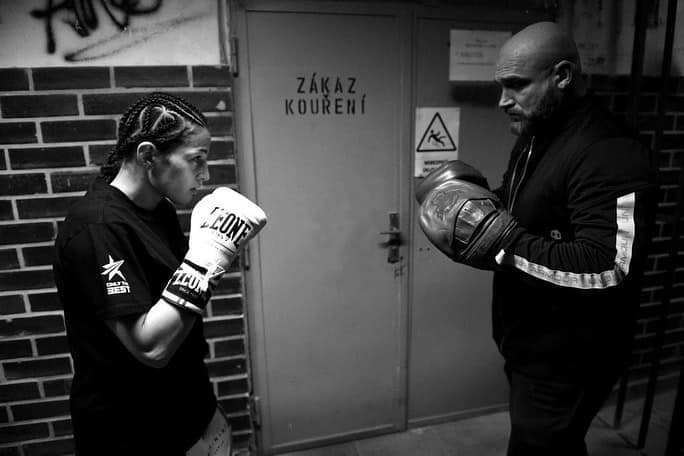 The next matches are scheduled for April 15th and 16th in Hungary. There is thus ample time to approach the 57 kg weight limit, which needs to be maintained on two consecutive days.
As already mentioned, the change in conditions rules out the option of repeated dehydration, hence it is necessary to approach this weight as naturally as possible. A great challenge, which, among other things, allows techniques of pre-match dehydration without unnecessary sweating and risking decreased performance to be revealed in live broadcast.
A wise saying goes that the way of thinking after a setback determines how long we will wait for the next victory. Lucka immediately switched her mindset to a different mode. She has no reason to prolong the wait for the next win.
Mgr. Martin Jelínek
Founder of NutriCourses, lecturer and author of the educational system in the field of nutrition. He has been systematically engaged in nutrition education since 1999. He is the author of the educational application ZOF and professional publications focused on nutrition and a healthy lifestyle.