
Author: Mgr. Martin Jelínek
Expertise: nutrition, education in nutrition
Last expert review: September 3, 2024
DHA is a key structural component of brain tissue and retinal photoreceptors and is involved in the proper functioning of neurons. On the other hand, EPA plays a significant role in regulating inflammation—being a precursor of eicosanoids with predominantly anti-inflammatory effects, it helps maintain the balance between pro- and anti-inflammatory reactions in the body.
From the perspective of public health, omega-3 fatty acids have long been associated particularly with heart and vascular protection. Early population studies in the 20th century showed that people with high consumption of marine fish exhibit a lower incidence of heart attacks and other cardiovascular diseases. Current research confirms that EPA and DHA lower blood triglyceride levels, slightly increase HDL cholesterol, affect blood clotting, and may contribute to the stabilization of heart rhythm.
Their anti-inflammatory effect is equally important. Chronic low-grade inflammation is considered one of the main mechanisms of the development of civilization diseases, most frequently cited are atherosclerosis, type 2 diabetes or rheumatic diseases. Omega-3 fatty acids compete with excessively consumed omega-6 fats in the metabolism, thereby helping to suppress the formation of inflammatory mediators. This effect is applied both preventively and therapeutically, for example, in patients with rheumatoid arthritis.
Special attention to omega-3 is warranted during pregnancy and breastfeeding. DHA is intensively deposited in the brain and retina of the fetus during the third trimester and is essential for the proper development of the nervous system and vision. The mother also transfers DHA through breast milk. Insufficient intake of omega-3 in pregnant and breastfeeding women can lead to lower reserves of these substances in the child.
Studies show that adequate intake of EPA and DHA during pregnancy is associated with a lower risk of preterm birth and favorable birth and perinatal outcomes, particularly gestational age and birth weight. For this reason, expert institutions recommend a higher intake of DHA for pregnant and breastfeeding women compared to the general adult population, ideally through a combination of fish consumption and targeted supplementation.
In athletes, omega-3 fatty acids are primarily used in the area of recovery. Intense physical activity induces microdamage to muscles and an inflammatory response, which is natural but can slow down recovery when excessively intense. Supplementation with EPA and DHA has been associated in several studies with lower levels of inflammatory markers and reduced muscle soreness after exercise. Omega-3 thus does not act as a direct "performance enhancer," but as a supportive factor enabling better and faster recovery of damaged body parts.
In older age, the role of omega-3s in brain functions gains significance. DHA is important for maintaining the structure of neuronal membranes and may have a neuroprotective effect. Epidemiological studies suggest that people with higher fish consumption or higher levels of omega-3 in the blood have a lower risk of cognitive decline and dementia. Clinical studies produce mixed results; however, in seniors with mild memory impairment, higher doses of EPA and DHA show mild improvement in some cognitive functions.
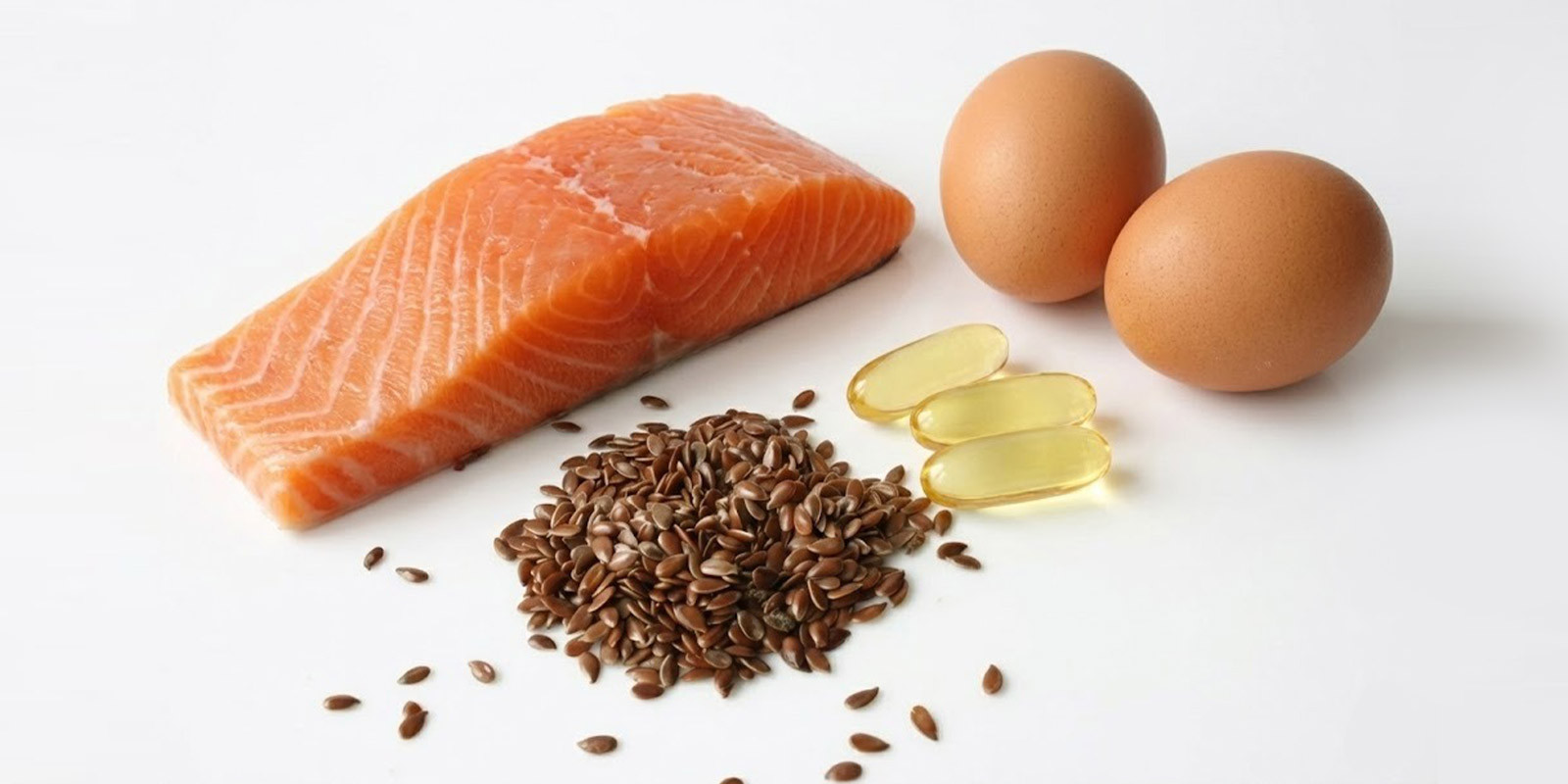
The main natural source of EPA and DHA are oily marine fish (salmon, mackerel, sardines, herring) and seafood. Smaller, but nutritionally relevant amounts of omega-3 fatty acids are also found in warm-blooded animals, primarily in the meat and products of animals fed a more natural diet, or foods rich in ALA (alpha-linolenic acid, from which animals synthesize necessary DHA and EPA). Typically, this includes pasture-raised beef, lamb, game, as well as eggs and to a lesser extent milk and dairy products. Alternatives for individuals who avoid consuming animal products include microalgae oils (containing DHA/EPA) and certain fortified foods. Additionally, there are purely plant-based sources of omega-3 in the form of ALA (flaxseeds, hemp seeds, and chia seeds, walnuts), but the conversion to EPA and DHA in humans is very limited.
Recommendations typically speak of two servings of fish per week, which corresponds to approximately 250–500 mg of EPA and DHA daily. However, the actual fish consumption in the Czech Republic has been consistently low: it is around 5.5–5.7 kg of fish per person per year (which is less than the amount of ice cream consumed), resulting in about 15 g of fish meat daily, with a significant portion being fish low in omega-3 (e.g., cod species). The estimated average daily intake of EPA and DHA in the Czech Republic is therefore only around 100–150 mg, which is far below the recommended values. For a significant part of the population—especially individuals who do not consume fish at all—the intake may be even lower.
For these reasons, it is advisable for some population groups—particularly pregnant women, seniors, athletes, or individuals with cardiovascular risks—to consider a quality dietary supplement containing EPA and DHA. Supplementation offers a practical way to ensure a long-term optimal intake of these important fatty acids, thereby supporting health throughout various stages of life.

Mgr. Martin Jelínek
Founder of NutriCourses, lecturer and author of the educational system in the field of nutrition. He has been systematically engaged in nutrition education since 1999. He is the author of the educational application ZOF and professional publications focused on nutrition and a healthy lifestyle.