
Author: Mgr. Martin Jelínek
Expertise: nutrition, education in nutrition
Last expert review: September 3, 2024
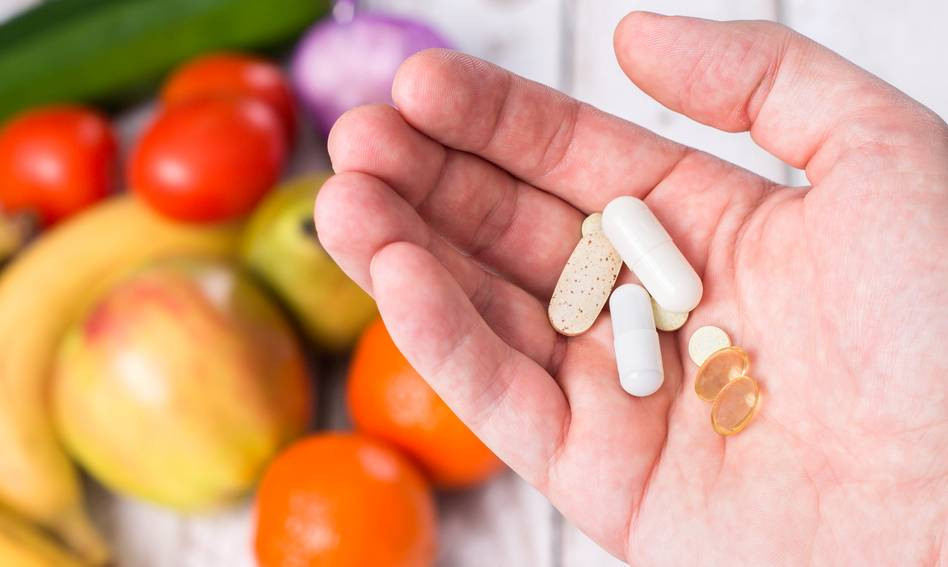
The Recommended Daily Allowance (RDA, in English GDA – Guideline Daily Amounts, RDI – Reference Daily Intake, formerly RDA – Recommended Dietary Allowance) refers to the amount of a certain nutrient (vitamin, mineral, or other substances) that we are legislatively recommended to obtain from food to meet the specific needs of the body for that nutrient. These data are commonly encountered by consumers in dietary supplements or in functional foods.
All these values are derived from scientific studies on the physiological needs of active substances in healthy individuals. For example, the basis for the RDA of a certain vitamin is the amount of that substance needed to maintain its proper level in the blood of the test subject. If there is insufficient information to establish an RDA, it is recommended to use the maximum safe dose. This is based on an amount of the substance considered consistent with maintaining favorable health status (e.g., molybdenum, vit. B5, biotin, chromium, vitamins E and K).
These values can be interpreted in different ways, which is why individual figures vary between countries (the most notable difference is between the American and European markets). However, these numbers are problematic in many respects because they are averaged, referring to the average adult individual of today's society. This implies that RDAs are not recommended values for optimal nutrition for an individual. The commonly presented recommended daily allowances of individual substances do not take into account differences between gender, body weight, levels of physical activity (manual laborers, athletes), or emotional and stress load.
Using dietary supplements based solely on the RDA may thus not work at all in many cases, because the content of consumed nutrients is simply too low to meet the metabolic needs of an individual. Conversely, in practice, it happens that parents, trying to provide the best for their children, do not respect the RDA for the child population and unnecessarily overdose their offspring with certain nutrients. Overdose situations are also often encountered with athletes who, in pursuit of maximum performance, do not think rationally.

Mgr. Martin Jelínek
Founder of NutriCourses, lecturer and author of the educational system in the field of nutrition. He has been systematically engaged in nutrition education since 1999. He is the author of the educational application ZOF and professional publications focused on nutrition and a healthy lifestyle.