
Author: Mgr. Martin Jelínek
Expertise: nutrition, education in nutrition
Last expert review: September 3, 2024
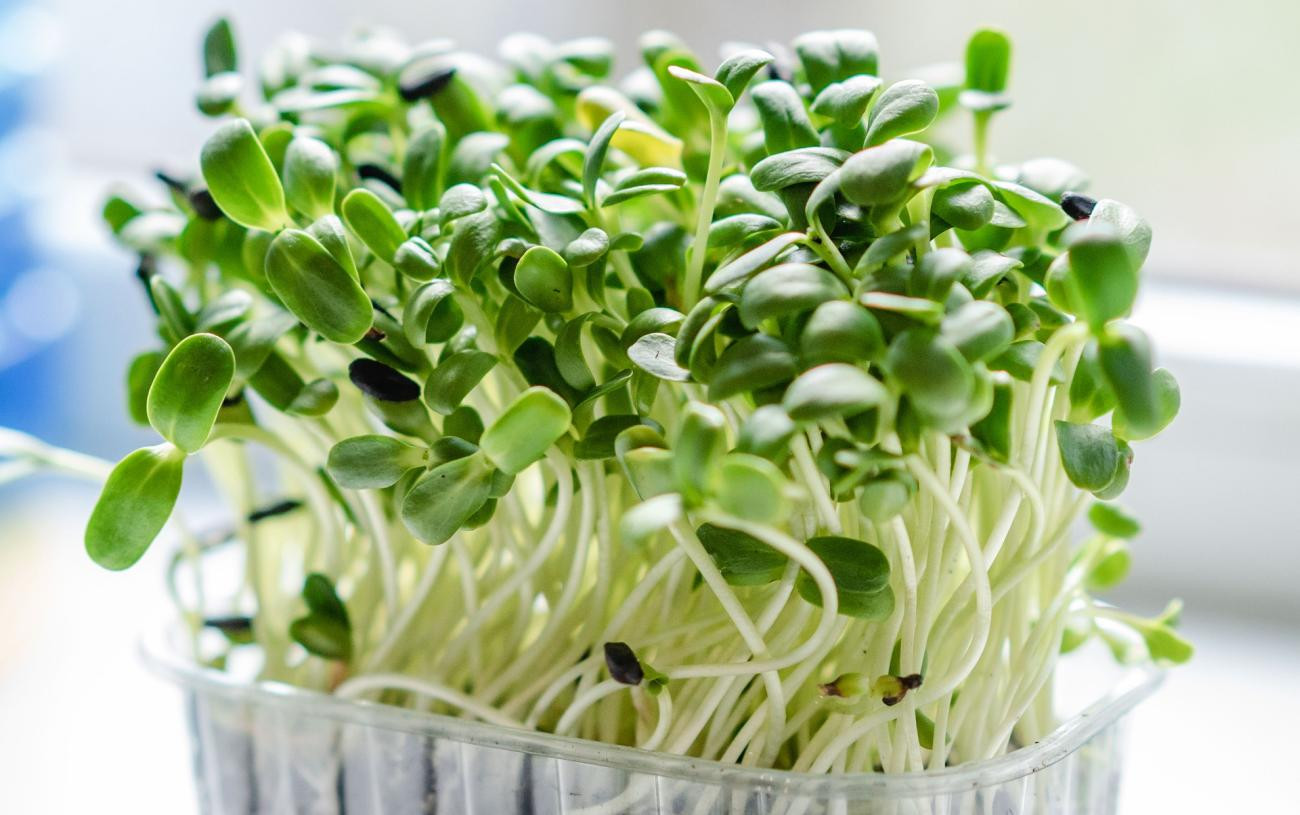
The foods we commonly consume are a source of a standard amount of well-known nutrients - carbohydrates, proteins, fats, fiber, vitamins, minerals, antioxidants, and phytochemicals.
When modifying diets, it is standard practice to monitor the content of these nutrients to influence the body's behavior in the desired direction. Nature, in its perfection, offers us a very interesting way to significantly change the characteristics of some foods through sprouting.
In simplified terms, sprouting is the process in which a sprout grows from a seed. During the sprouting process, processes are initiated in the seeds that lead to an increase in the content of nutrients necessary for the nourishment and subsequent growth of the plant. Generally, during sprouting:
The sprouting process presents enormous potential. From one small seed, with the use of water, the right temperature, and invested time, we obtain an increased amount of various nutrients for free - the amount of essential amino acids increases, and the content of vitamins (B complex, C, E) multiplies.
Practically all unpeeled seeds (legumes, cereals, oilseeds...) can be sprouted. Peeled and any thermally treated seeds will not sprout. It is recommended to avoid seeds intended for sowing (they are often treated with chemicals). Some types of crops like kidney or navy beans, which are indigestible in their raw state, are also not suitable for sprouting.
1. Seeds need to be soaked first. First, rinse them in cold water, then cover them with fresh water and let them swell. The soaking time depends on the size of the seeds and generally takes several hours. Then rinse the crops again, and you can start sprouting.
2. Sprouting trays are used for sprouting; they are commonly available and cost-effective. Seeds must be kept moist, but not submerged in water, where there is a risk of mold and rotting. They need to be rinsed with fresh water an average of twice a day. The sprouting process should take place in warmth, but not in direct sunlight (room temperature is ideal).
3. Sprouts are suitable for consumption after 3-5 days, shoots after 10-14 days (depending on the type of crop).
The older the sprouts or shoots are, the more they change in their composition and thus their nutritional characteristics, including taste.

Mgr. Martin Jelínek
Founder of NutriCourses, lecturer and author of the educational system in the field of nutrition. He has been systematically engaged in nutrition education since 1999. He is the author of the educational application ZOF and professional publications focused on nutrition and a healthy lifestyle.