Nutri Courses

Carbohydrates

Carbohydrates

📅 3. 9. 2024

Carbohydrates

Carbohydrates provide the body with quickly usable energy (1 gram of carbohydrates contains 17.63 kJ = approx. 4 kcal). Depending on their composition, the speed at which energy is released from them in the body varies (fastest from so-called sugars)....


Glycemic Value of Foods

📅 3. 9. 2024

Glycemic Value of Foods

The foods we eat have, among other things, the ability to trigger what is known as the glycemic response in the body. This means that after food consumption, the pancreas reacts by producing a certain amount of the hormone insulin,...

High-carbohydrate vs. low-carbohydrate diets

📅 3. 9. 2024

High-carbohydrate vs. low-carbohydrate diets

Humans, as omnivores, differ from other animals in terms of diet with one undeniable advantage: Their metabolism shows considerable flexibility in utilizing energy sources, which allows them to adapt to great extremes. This feature, called “metabolic flexibility” nowadays, is increasingly...

Diabetes

📅 3. 9. 2024

Diabetes

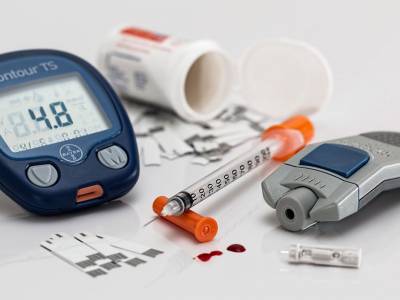
Diabetes (diabetes mellitus) is a chronic disease that manifests as a disorder of carbohydrate metabolism. Several types of diabetes are known, most commonly classified as: Type I Diabetes (insulin-dependent). It most frequently develops in youth. The causes are varied: -...

START OF TEXT:
FODMAP

📅 3. 9. 2024

START OF TEXT: FODMAP

FODMAP is a term composed of the initial letters of the words fermentable oligosaccharides, disaccharides, monosaccharides, and polyols. These are forms of carbohydrates that are difficult to break down and absorb in the small intestine. They pass into the large...

Sources of Carbohydrates

📅 17. 2. 2023

Sources of Carbohydrates

Carbohydrates in the diet primarily serve as a source of energy. The body metabolizes them relatively quickly, but this speed varies depending on their structure - sources of complex carbohydrates are processed more slowly by the body, which results in...