
Carbohydrates provide the body with quickly usable energy (1 gram of carbohydrates contains 17.63 kJ = approx. 4 kcal). Depending on their composition, the speed at which energy is released from them in the body varies (fastest from so-called sugars).
From a chemical perspective, they are divided into:
1. Monosaccharides
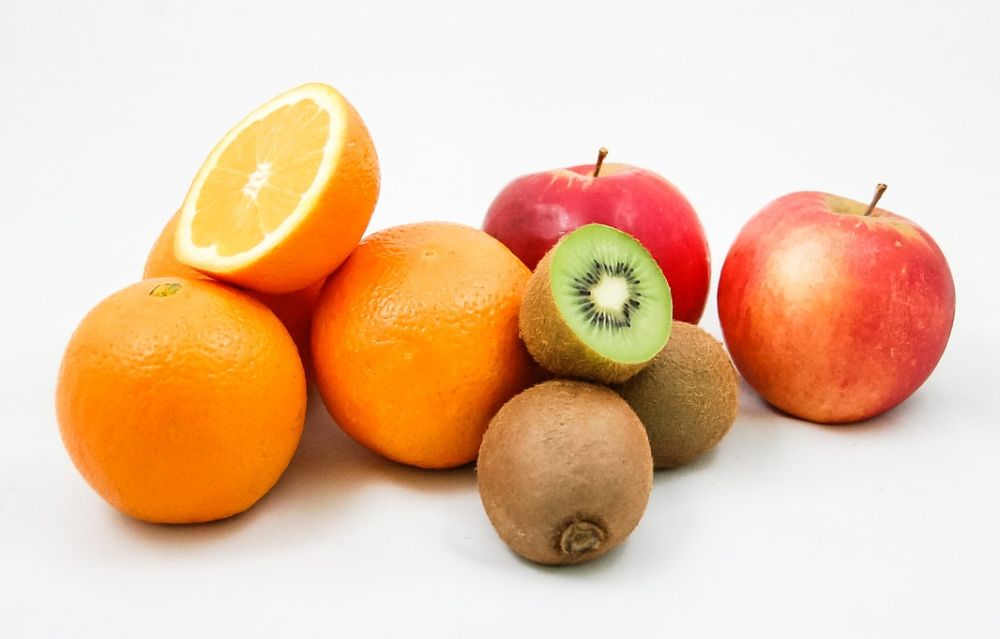
They are the simplest form of carbohydrates. Structurally, they consist of only one sugar molecule. These sugars cannot be further broken down, and the body obtains energy from them immediately.
They include:
- Glucose (grape sugar),
- Fructose (fruit sugar),
- Ribose (occurs naturally in all cells).
2. Oligosaccharides

They form by the combination of two to ten identical or different types of monosaccharide units (depending on their number, they are called disaccharides, tri-, tetra- up to decasaccharides). The most important group includes disaccharides, primarily:
- Sucrose (beet sugar).
It is produced from sugar beet or sugar cane and is commonly used as a sweetener in the food industry.
- Lactose (milk sugar).
Found in mammalian milk. It is broken down in the digestive tract by the enzyme lactase. If this enzyme is non-functional, lactose intolerance occurs (manifested by abdominal cramps and diarrhea).
- Maltose (malt sugar).
It is much less sweet than glucose at the same nutritional value (used in the food industry, e.g., in beer production).
3. Polysaccharides

They have a similar structure to oligosaccharides, but the number of monosaccharide units reaches many hundreds to thousands. Unlike monosaccharides, they are practically insoluble in water. They function as storage or structural substances in plants and animals. Based on their origin, they are divided into:
- Plant-derived - starches and fiber,
- Animal-derived – glycogen.
Generally, carbohydrates:
- Are found in varying amounts in many foods.
Carbohydrates with quickly usable energy are abundantly present in fruits, certain types of vegetables or some dairy products, and in large volumes in industrially processed foods (muesli mixes and bars, cakes, pastries, chocolates, candies, sweetened drinks, etc.). In contrast, carbohydrates with slowly releasing energy are most abundant in grains, legumes, nuts, and seeds.
- We should avoid an excessively high intake, especially of simple carbohydrates.
The reason is that the body processes this component by producing insulin (a pancreatic hormone that prevents excessive blood sugar spikes), and through this mechanism, most of the energy is stored in fat reserves. From the point of view of its effect on acid-base balance, insulin and carbohydrates act acidogenic – with an excess of sugars in the diet or their inappropriate choice, there is an undesirable deviation from the balance of the body's internal environment, to which every cell in the body reacts in its function.
- In the body, unlike other fuels – fats – they store very badly, and that in the form of muscle and hepatic glycogen. These reserves are relatively small (approximately 0.5 kg in an average individual). Therefore, it is necessary to systematically focus on the intake of carbohydrates in the diet to not only gain an immediate energy source but also to support the restoration of glycogen. This is especially true in so-called high-carbohydrate diets, which are generally considered to be the most favorable dietary concept for human health in the long term.
- Depending on what effects we require from the diet in terms of gaining energy and digestion speed, we will prefer specific representatives of individual groups of high-carbohydrate foods. For example, athletes will not eat legumes shortly before training because it takes several hours to digest them. Conversely, it is not advantageous to eat fruits, sweetened dairy products, or drink sweetened drinks shortly before bedtime, because the energy quickly created from them complicates falling asleep and contributes to obesity. In practice, it is therefore essential to learn to choose foods that contain the right types of carbohydrates and also their appropriate quantities.

A basic overview of carbohydrate sources in the diet (with varying volume representation):
- Fruits – fructose, sucrose, fiber
- Vegetables – fructose, sucrose, fiber
- Legumes – starches, fiber
- Grains – starches, fiber
- Mushrooms – fiber
- Nuts – fiber, oligosaccharides (sucrose, dextrose)
- Dairy products – lactose
- Meat – glycogen
- Eggs – glycogen
Since it is natural for our conditions and time we live in to obtain the main energy source from carbohydrates (in typical situations, we eat such that carbohydrates dominate over proteins and fats in the diet, referred to as a “high-carbohydrate” diet), when composing a menu, it is necessary to work primarily with:
- The total amount of carbohydrates in each portion and throughout the daily diet.
Too few carbohydrates cause a lack of quickly usable energy, resulting in fatigue. Conversely, high doses are the basis for increasing fat reserves. It is necessary to know what amount is truly optimal for a specific person.
- The selection of appropriate forms of carbohydrates for particular situations.
There are situations where we need energy very quickly, and other times we need to ensure its slow and constant supply. This is achieved by appropriately combining foods, knowing exactly what types of carbohydrates they contain.