
Author: Mgr. Martin Jelínek
Expertise: nutrition, education in nutrition
Last expert review: September 3, 2024
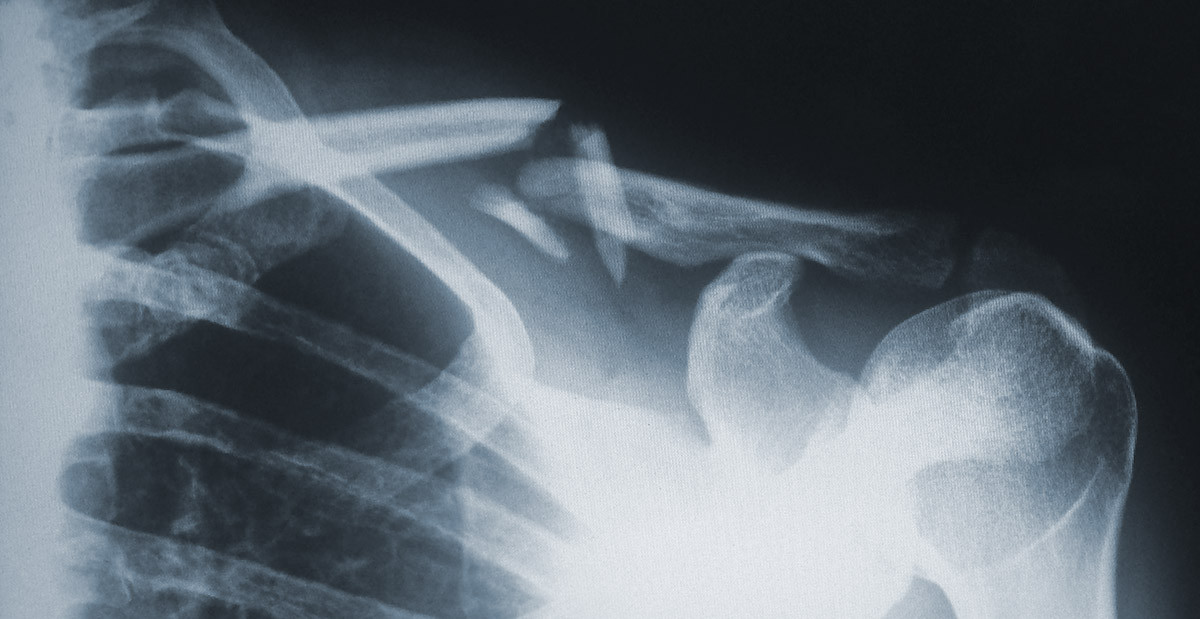
Fatigue fractures are injuries that predominantly affect athletes. The main cause of their occurrence is excessive physical stress, within which the bone tissue is unable to regenerate. Micro-cracks occur, which, due to chronic overload, are most commonly found on the lower extremities, particularly on the calf bones, tibias, and metatarsal bones of the foot.
Athletes (primarily in athletics, running, volleyball, tennis, basketball, dance) are the most affected group, but by far not the only one. These unpleasant injuries also appear frequently in a range of other situations.
Bone overload can occur, for example, due to poor-quality footwear or imbalance in the position of the foot arch bones (high or low arches).
A fairly common cause is various forms of eating disorders, which (not only in the athletic population) are becoming increasingly prevalent.
For some individuals, it may be a seemingly insignificant factor such as limited exposure to sunlight, resulting in insufficient production of vitamin D3, which plays a key role in calcium deposition in bones. Combined with an unbalanced diet (as a source of D3), such a situation leads to easier bone fragility.
The disorder of calcium and vitamin D3 metabolism is directly related to the development of osteoporosis, whereby bone decalcification results in their easy and frequent breakage.
Another relatively common cause of fatigue fractures is fluctuations in hormonal regulation. These most often concern the female population during the climacteric period, or they may also manifest as side effects of taken contraceptives.
Smoking also has a significant impact on bone strength.
In the long-term concept of nutrition, the most influential factors are:
Quantity and quality of proteins.
The content of proteins, including their quality, affects the deposition of proteins into bone mass. Therefore, in an all-day dietary regime, it is beneficial to set a protein intake that corresponds to the individual needs of each person.
Content and ratio of calcium and phosphorus in the diet.
These two elements have the largest influence on the quality of bone mineralization. A significant deviation from their recommended daily doses (or their mutual ratios) manifests as a weakening of the bone structure, making them more likely to fracture under inappropriate stress.
Vitamin D3 intake.
Calciferol (vit. D3) is produced in the skin when it is exposed to sunlight. However, a substantial portion of this substance can also be obtained from food (rich sources include dairy products, liver, fish…). In the case of deficiency of this substance, calcium – one of the most important minerals influencing bone strength – is deposited in bone mass in insufficient quantities.
Content of antinutritional substances.
Some antinutritional substances (specifically the group of phytates and oxalates) have the capability to significantly reduce calcium absorption from food. Therefore, it is advantageous to plan the long-term concept of nutrition such that the presence of these components in the diet is as low as possible.

Mgr. Martin Jelínek
Founder of NutriCourses, lecturer and author of the educational system in the field of nutrition. He has been systematically engaged in nutrition education since 1999. He is the author of the educational application ZOF and professional publications focused on nutrition and a healthy lifestyle.