
Author: Mgr. Martin Jelínek
Expertise: nutrition, education in nutrition
Last expert review: September 3, 2024
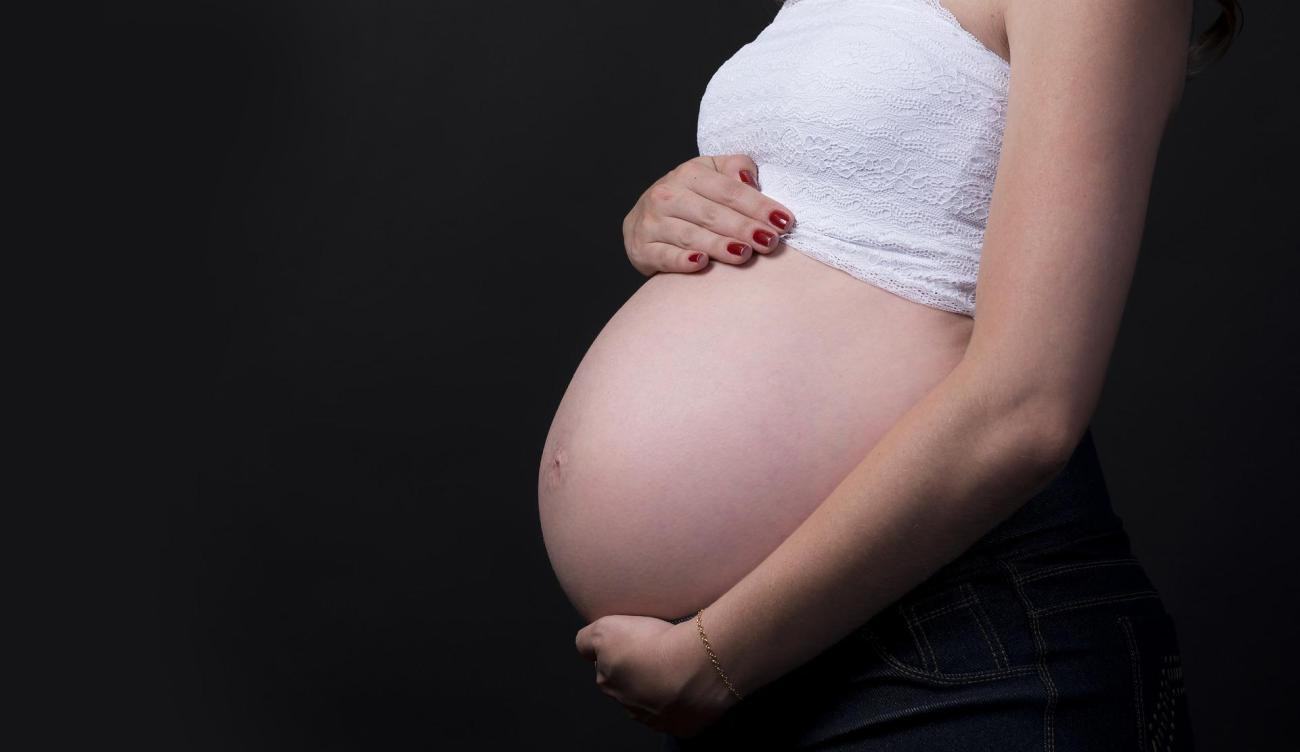
The main principles of nutrition for pregnant women include the consumption of a varied and diverse diet, in which all major food groups should be represented. During pregnancy, the demands on food and the feeling of hunger and satiety change, which is due to the enlargement of the belly and the pressure of the uterus on the stomach and liver. These changes lead pregnant women to a natural preference for smaller amounts of food at shorter intervals. It is advisable to respect the fact that eating difficult-to-digest foods in the evening hours is not ideal.
In terms of energy balance, the amount of food during pregnancy should not increase by more than 200 kilocalories per day (830 kJ). For the healthy development of the child, it is not necessary to prioritize sweet foods or a large amount of side dishes (pasta, potatoes, dumplings, rice). It is largely unnecessary to claim that future mothers should not succumb to various cravings—most of these unusual cravings are regulated by hormones, which is why such a recommendation does not always receive positive feedback in practice. The number of meals should range between 4 to 6.
The total weight gain by the end of pregnancy should not exceed more than 12 kg. If weight gain is irregular and too rapid, there may be reasons other than just the consequence of improper nutrition.
The proportion of carbohydrates is recommended to be at the same level as in non-pregnant women.
The consumption of proteins should increase during pregnancy compared to the "normal" state by approximately 10-20%. It is nutritionally advantageous for a certain portion of protein to be represented by meat (including red meat), because of its heme iron content (in pregnancy, anemia often occurs, which can be caused by iron deficiency). However, iron can be replenished in ways other than red meat, so its consumption is not a condition. There is often a discussion about the suitability of consuming fish during pregnancy. Although they are recommended during pregnancy as a good source of iodine (marine fish) and quality fats, they can sometimes also contain heavy metals. Currently, the difference between freshwater and marine fish is diminishing; the more important indicator lies primarily in the source itself—the wild environment vs. farm-raised, and herbivores vs. carnivores (herbivores are more suitable).
When it comes to the intake of fats, the recommendation of 20-30% of total energy intake is respected. It is important to monitor their quality, where generally, hydrogenated and overheated fats are considered unsuitable. Attention should be given to omega-3, where animal sources seem more advantageous.
With regard to fetal development, it is important to monitor the representation of certain minerals, the most important being calcium, magnesium, iodine, selenium, and iron.
Of the vitamins, folic acid is of crucial importance. Together with iron, it is important for hematopoiesis, and its deficiency in women causes megaloblastic anemia (anemia with the presence of immature red blood cells in the bone marrow), and it plays a significant role in preventing congenital malformations of the nervous system. Its rich sources include kale, broccoli, green salad, asparagus, spinach, yeast, soy, beans, cereal.

Mgr. Martin Jelínek
Founder of NutriCourses, lecturer and author of the educational system in the field of nutrition. He has been systematically engaged in nutrition education since 1999. He is the author of the educational application ZOF and professional publications focused on nutrition and a healthy lifestyle.