
Author: Mgr. Martin Jelínek
Expertise: nutrition, education in nutrition
Last expert review: September 3, 2024

In the vast majority of cases, we consume foods that are modified in certain ways—either technologically during their processing and manufacturing, or directly in the kitchen during thermal processing. By doing so, we change the structure of the food, the content of substances in them, and of course, even the taste itself. If the goal is to eat as healthily as possible, it is necessary to know the basic rules in the area of food preparation. Focusing attention on food preparation at home, the most common form is thermal processing. Foods change their properties at higher temperatures—most significantly structure and taste.
When we process plants, three major changes mainly occur:
The fiber structure changes, making it much more digestible,
The content of some substances is reduced (mostly from the group of phytochemicals, vitamins, and anti-nutritional substances),
The glycemic index value of the entire food increases.
When processing animal foods, the protein structure mainly changes.
The extent of changes in food depends on the type of thermal processing chosen:
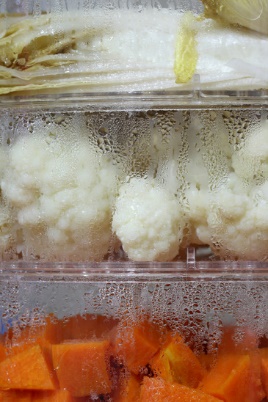
This is most commonly used for vegetables. It is a relatively delicate process that changes the properties of the food the least, making it very gentle.
This process involves briefly immersing the food in hot water before subjecting it to further processing. The main advantage is the elimination of microorganisms that can promote food spoilage, while retaining most of the present nutrients, which remain unaffected by this short treatment. Blanching can make it easier to peel the tough skin of some fruits (tomatoes, peppers, peaches), which are difficult to digest.
Boiling plant foods causes the release of certain substances (such as vitamins or antioxidants) into the water. It is thus beneficial to use the water together with the prepared food. Boiling meat changes the protein structure, gradually softening the food and making it more palatable.
Baking involves using a much higher temperature than the previous methods. Thus, changes in the food are much more profound. For instance, fiber becomes more digestible, carbohydrates increase the glycemic index. On the other hand, some harmful substances to health are also formed. Since food dries out significantly during baking, it is advisable to baste it with water to prevent burning.

Grilling is a very quick thermal preparation that significantly affects the flavor of the food. At the same time, substances with carcinogenic effects can form when overheated. Therefore, this method is not among the healthiest and should be used as infrequently as possible.
Frying is one of the least desirable forms for cooking food. When frying any food in a triple coating (a mixture of breadcrumbs, flour, and eggs), the high oil temperatures cause all ingredients to be overcooked. The amount of harmful substances is often much higher compared to careful grilling. Additionally, it increases the amount of unhealthy (overcooked) fats in the prepared food. Therefore, frying is the least suitable method overall.

Microwave ovens are very popular tools that significantly speed up food preparation. The various forms of radiation emitted by these devices can rapidly vibrate molecules in food, potentially damaging the nutrient structure. However, it is generally presented that this form of preparation is not harmful to health, with its main advantages being simplicity and good accessibility.
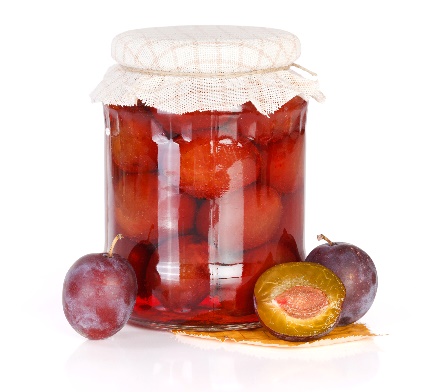
Canning is one of the most commonly used methods for preserving foods for longer storage. The main advantage is the lack of need for any chemical preservatives, making it a relatively healthy method from this perspective. The fiber structure changes and the glycemic index increases during canning of plant foods at high temperatures and pressure. It's advisable to avoid sugar use in canning, as it further increases glycemic values and the energy content in the food.
Besides thermal forms of food processing, it's possible to enhance the menu with other, highly attractive methods:
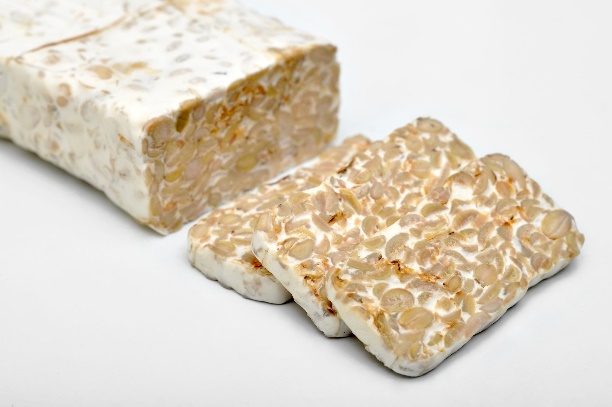
Fermentation (also known as fermenting) is a process of food transformation by certain microorganisms. It leads to changes in the structure and composition of the food, collectively improving its quality—such as increased digestibility, increased content of some beneficial substances, and a reduction in some undesirable nutrients. Foods prepared in this way are rightly considered healthy and should be an integral part of a daily diet. Typical examples of fermented foods include pickled vegetables, fermented drinks (preferably non-alcoholic), many dairy products (yogurts, kefirs, buttermilk, curdled milk, acidophilus milk), tempeh, or soy sauce.
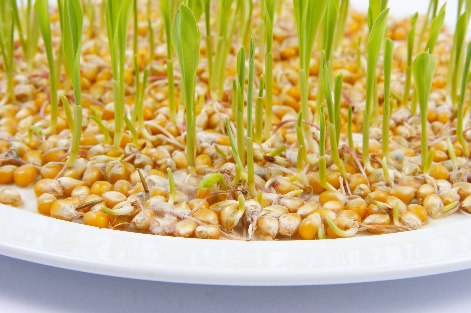
The process of sprouting is an absolutely unique natural phenomenon, whose benefits are worth incorporating into the kitchen as often as possible. Basically, it is a situation where any seed in a warm and humid environment begins to develop activity; during its growth, the content of nutrients rapidly increases and their structure changes simultaneously. As a result, we obtain a food that's literally packed with nutrients—no wonder sprouts are referred to as superfoods.
Any seeds can be sprouted, with grains (wheat, rye, barley, oats, buckwheat, rice, etc.), legumes (peas, chickpeas, mung beans, adzuki beans, lentils, etc.) being the most commonly used. Popular choices include alfalfa, pumpkin seeds, or watercress. Sprouted foods can be consumed raw, dried, or cooked—all forms have their advantages.
It is beneficial to include sprouted foods in the diet every day as they are sources of many important nutrients (vitamins, minerals, antioxidants, etc.).

Mgr. Martin Jelínek
Founder of NutriCourses, lecturer and author of the educational system in the field of nutrition. He has been systematically engaged in nutrition education since 1999. He is the author of the educational application ZOF and professional publications focused on nutrition and a healthy lifestyle.