
Author: Mgr. Martin Jelínek
Expertise: nutrition, education in nutrition
Last expert review: May 10, 2022
Salt (NaCl), which we use in the kitchen for seasoning dishes, performs several functions: It serves as a flavor enhancer, functions as a preservative, and is a source of sodium, which regulates water metabolism in the body and affects the function of the cardiovascular system and nervous system. We know that its excess is strongly problematic in relation to health, as it burdens the kidneys, heart [1], lymphatic system, contributes to the development of high blood pressure, swelling, and unnecessary water retention in the body, and even influences the onset and development of diabetes [2].
For these reasons, it is recommended to monitor the amount of salt on the plate, which occurs on two levels:
1. The amount of salt used for seasoning dishes is controlled,
2. The amount of so-called hidden salt is monitored.
The salt content in foods is one of many indicators that an ordinary diner should monitor in their diet. Moreover, reducing its intake will also affect the taste perception. It is therefore no surprise that most of the population doesn't worry about the amount of salt in their diet. There are thus ways being sought to limit every gram of it on the plate. Besides trying to avoid semi-prepared foods and foods preserved with salt, food technologists are puzzling over how to reduce its amount in products that we regularly consume. Primarily, this involves bread, sausages, and cheeses, where the challenge is that reducing the salt content also changes the flavor, which consumers may react to negatively.
100 g (1/3 šálku)
Sůl:
Sodík:
50 g (1 kus)
Sůl:
Sodík:
100 g (1/3 šálku)
Sůl:
Sodík:
100 g (1/2 šálku)
Sůl:
Sodík:
100 g (1/3 šálku)
Sůl:
Sodík:
30 g (2 polévkové lžíce)
Sůl:
Sodík:
30 g (1 1/2 polévkové lžíce)
Sůl:
Sodík:
10 g (1 plátek)
Sůl:
Sodík:
20 g (1 polévková lžíce)
Sůl:
Sodík:
40 g (1 kus)
Sůl:
Sodík:
50 g (1 krajíc)
Sůl:
Sodík:
The recommended daily intake of salt for an adult is 5 g (one teaspoon), which corresponds to the recommended sodium intake moving to 2,000 mg per day. This dose is sufficient for most people, with exceptions such as athletes or people who sweat more. Ensuring and maintaining this amount is not easy in practice, mainly due to the mentioned taste reasons, where most people automatically prefer foods with a stronger and more pronounced flavor. Therefore, ways are being sought to trick the taste, which dictates to most people what they put on their plate.
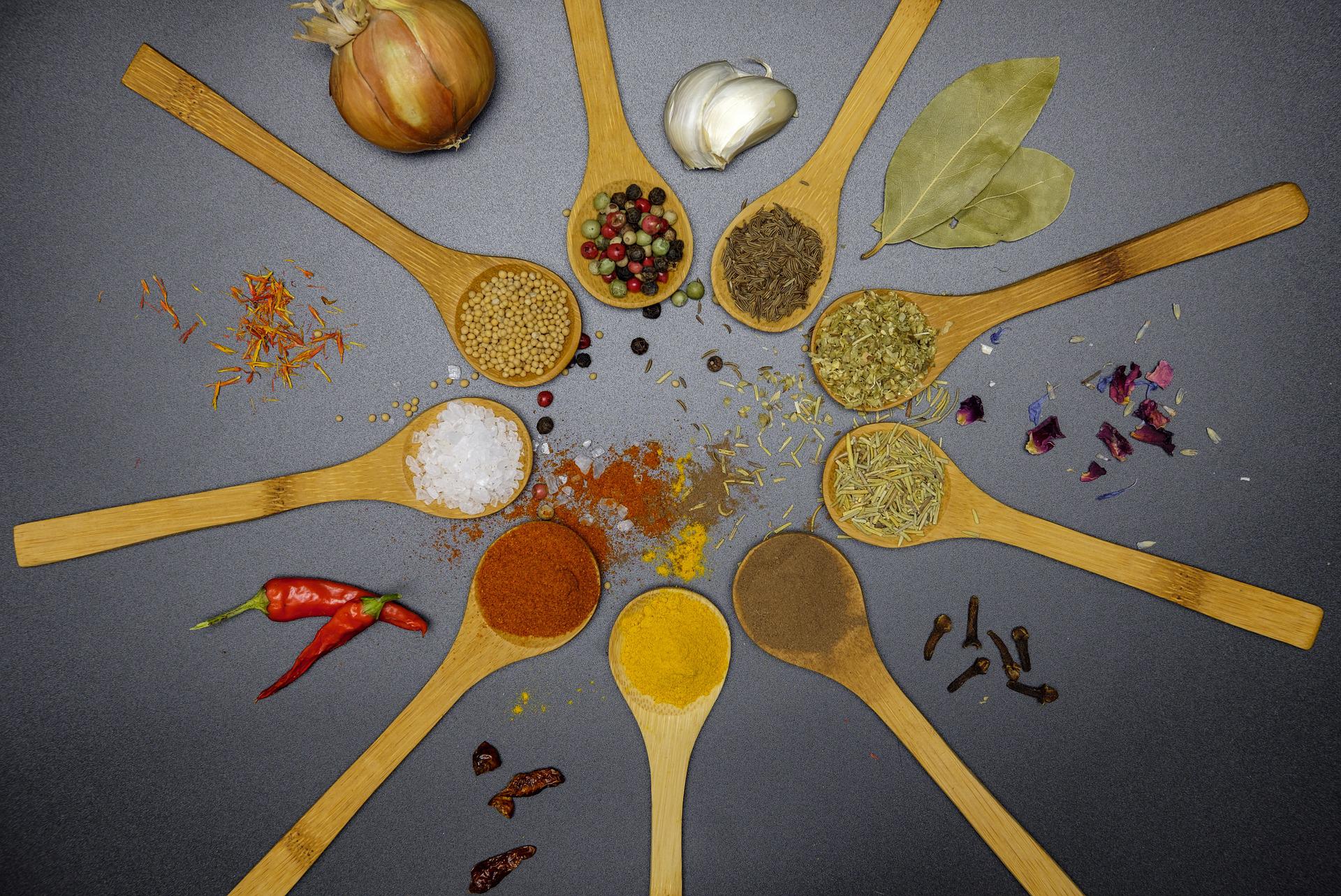
In the attempt to protect the population from the growing number of health complications associated with high salt intake, it was found that an effective tool could be replacing a significant part of it in meal preparation with spices. This was confirmed by researchers from Washington University, who tried to find a way to reduce the risk of cardiovascular diseases by limiting salt intake [4].
The use of spices, especially ones with a stronger taste and aroma, affects taste buds in a way that the consumer has difficulty distinguishing food with low and high salt content. Even though manipulating spices won't solve the problem of excess salt in the diet, it can be a way for anyone interested in a healthy lifestyle to limit excessive consumption of this prominent seasoning. Moreover, working with spices provides numerous health benefits in the form of beneficial antioxidants and certain phytochemicals.

Mgr. Martin Jelínek
Founder of NutriCourses, lecturer and author of the educational system in the field of nutrition. He has been systematically engaged in nutrition education since 1999. He is the author of the educational application ZOF and professional publications focused on nutrition and a healthy lifestyle.