
Author: Mgr. Martin Jelínek
Expertise: nutrition, education in nutrition
Last expert review: September 3, 2024
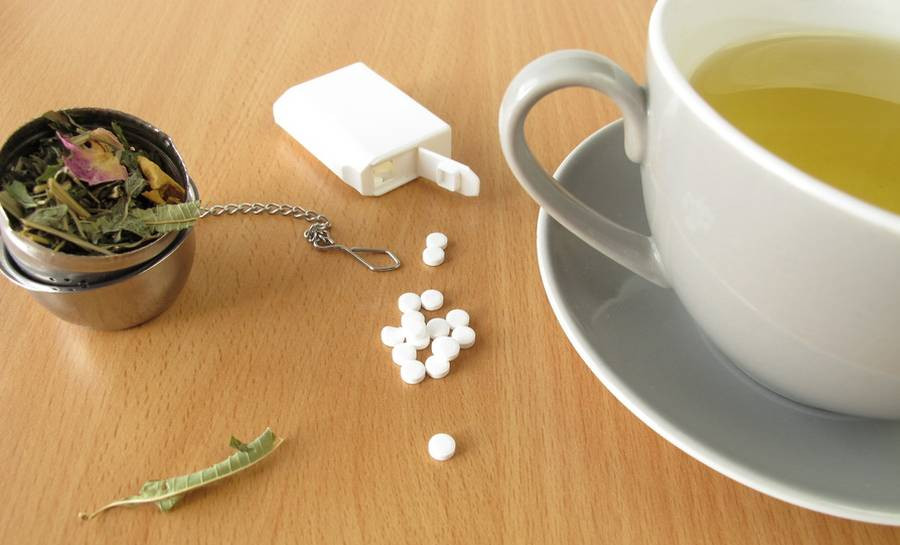
One of the primary causes of overweight or type 2 diabetes is considered to be the high consumption of simple sugars or carbohydrates with a high glycemic index and load. In practical terms, most people interested in rational eating face two main issues:
The first case requires knowledge of what is available on the market. Specifically, which types of sugars are commonly available and how to assess their suitability for use. This knowledge partially helps address situations where a craving for sweet taste has developed, and an elegant way is needed to break away from it.
Therefore, in recent years, so-called alternative sweeteners have gained popularity, boasting many interesting characteristics. Generally, they can be divided into several groups:
Glucose - a monosaccharide that is the primary source of energy for the human body. It is referred to as grape sugar. It is transported from the blood into cells by insulin, a hormone produced by the pancreas. It has a high glycemic index (100), causing a rapid increase in blood sugar levels.
Fructose - also known as fruit sugar. It has a much lower glycemic index and is therefore recommended as an appropriate source of quick energy (commonly recommended even to diabetics). The issue is that fructose consumption promotes the production of a hormone (ghrelin) that increases appetite. Additionally, a higher intake of fructose burdens the liver (fructose is predominantly metabolized in the liver and, in excess, promotes liver fat accumulation = steatosis). It is advisable to avoid all foods sweetened with fructose. However, this does not apply to fruits, where fructose is part of a spectrum of other sugars along with fiber and phytochemicals.
Lactose – a sugar that is the main carbohydrate component of animal milk, referred to as milk sugar. It is not commonly used for general sweetening.
Maltose – a disaccharide composed of two glucose molecules. It tastes less sweet than glucose itself and is not used for general sweetening.
Sucrose - a disaccharide composed of glucose and fructose molecules, known as table sugar. Its glycemic index value is lower than glucose but higher than fructose. As it is generally refined sugar, it contains no additional components besides carbohydrates.
Glucose syrup - often referred to as corn syrup (most commonly made from corn). Its composition is predominantly glucose, so it has a relatively high glycemic index.
Agave syrup - its advantage is a very low glycemic index (15 – 20), but its disadvantage is a very high fructose content.
Maple syrup - its glycemic index value is around 55, with the positive aspect being a relatively low fructose content, which is advantageous.
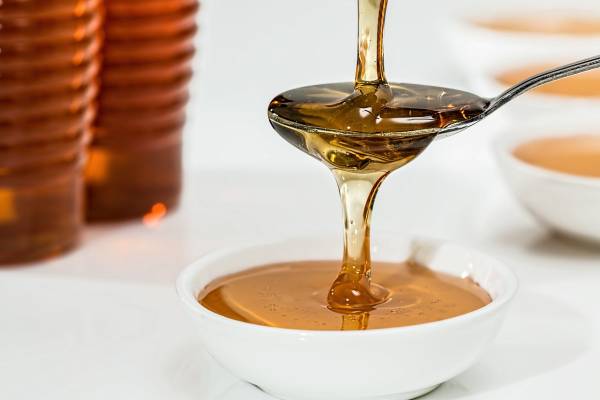 Honey - an animal product consisting of glucose and fructose. Its glycemic index is commonly around 80, but this applies to pasteurized types (pasteurization significantly increases the GI value in honey). It contains a relatively wide range of other nutrients – minerals, vitamins, enzymes, immune-stimulating substances, etc., but due to its pollen content, it can be a source of allergic reactions in sensitive individuals.
Molasses - is a byproduct of sugar production from sugarcane. It's a thick syrup with low sugar content (predominantly glucose and fructose) and higher content of proteins, minerals.
Palm sugar - extracted from the sap of tree trunks. Its composition predominantly features sucrose, with a slightly higher fructose content. It is characterized by a low glycemic index (around 35 units) and a higher content of inulin (a soluble form of fiber).
Coconut sugar - made from palm flowers. It is richer in micronutrients (primarily mineral substances) than palm sugar, but the sugar content is approximately the same.
HFCS - high-fructose corn syrup (high fructose corn syrup). It is made from corn starch and contains a high fructose content.
Grain malts - obtained by extraction from grains, with malt extract [sladěnka] (made from barley) being most commonly used. Grain malts primarily contain simple sugar forms like glucose and fructose, but in relatively small amounts. They have a low glycemic index value. Another advantage is their high content of a wide range of mineral substances. They are popular for use as a sweetener in macrobiotics.
These are also referred to as alcohol sugars, and in practice, they are more commonly known as polyols. These sweeteners have interesting properties - they contain approximately a third fewer calories than regular sugar and are also non-cariogenic. They are increasingly used to flavor and preserve various foods, with the only drawback being a higher price compared to regular sugar. They are suitable even for diabetics, with well-known examples including sorbitol, mannitol, xylitol (often added to chewing gums; however, excess consumption can have laxative effects), maltitol, isomalt.
These are produced by chemical synthesis. They are hundreds to thousands of times sweeter than sugar, and their advantage is that they have almost no caloric content (making them a potential preventive against obesity). They are far cheaper than regular sugar and do not harm teeth. The most well-known representatives include:
With some artificial sweeteners, there are concerns about their safety to our health (e.g., carcinogenic effects), with aspartame, acesulfame K, or cyclamate most frequently cited.
Stevia - a plant containing sweet-tasting sugar forms (glycosides). A huge advantage of these products is zero energy content and high sweetening power (which increases in industrially processed products). Stevia is a globally very popular sweetener; however, it should not be considered suitable or widely used. Apart from its unconventional taste (with a bitter-astringent aftertaste), the disadvantage lies in the combination of high sweetness and absence of energy-containing sugars. Its consumption informs the body about sweet taste to which insulin does not respond because no energy in the form of glucose is transported into the blood. It does not resolve low blood sugar levels (hypoglycemia), promoting stress processes in the body (production of stress hormones) leading to catabolic processes.

Mgr. Martin Jelínek
Founder of NutriCourses, lecturer and author of the educational system in the field of nutrition. He has been systematically engaged in nutrition education since 1999. He is the author of the educational application ZOF and professional publications focused on nutrition and a healthy lifestyle.