Keeping Your Liver Healthy
Keeping the liver in good shape is more important to overall health than most people realize. One of the most common problems is their obesity (steatosis), often without symptoms for a long time, but with significant health consequences...

|
Hello,
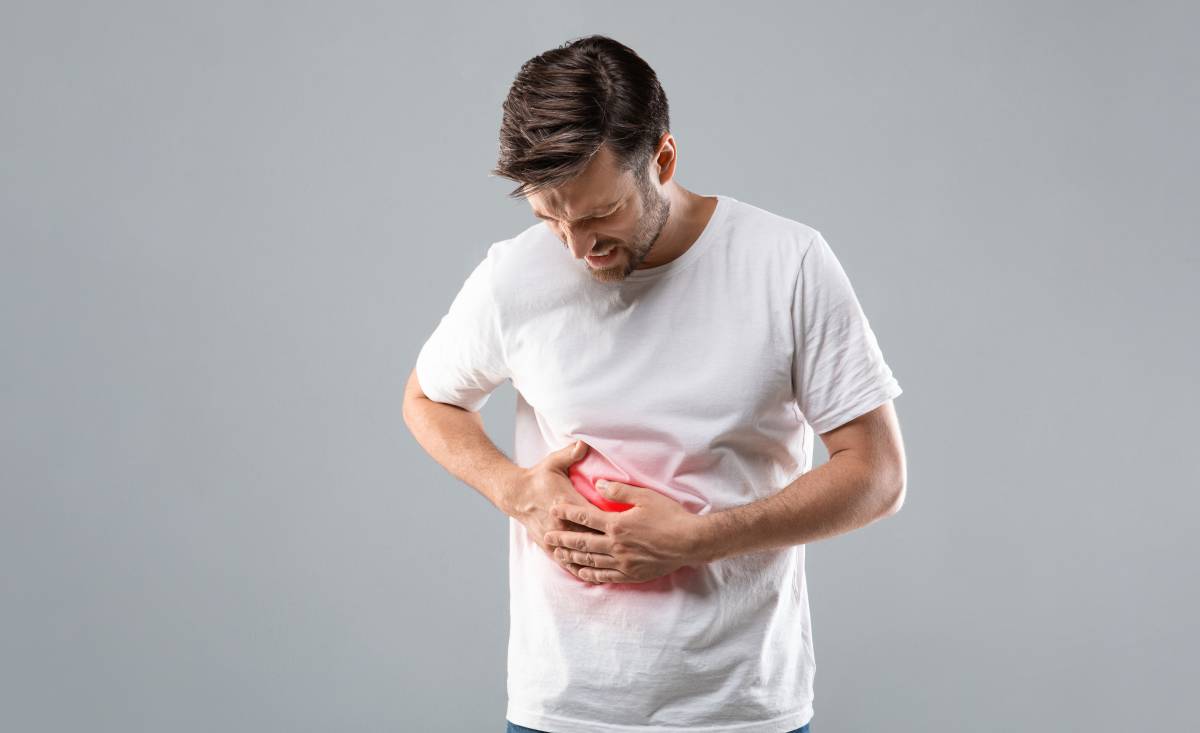
keeping the liver in good shape is more important to overall health than most people realize. One of the most common problems is their obesity (steatosis), often without symptoms for a long time, but with significant health consequences. Nowadays, this is not a rare diagnosis, but a common consequence of the modern lifestyle. A fatty liver remains silent for a long time, yet it increases the risk of inflammation, scarring and other diseases, including type 2 diabetes and cardiovascular complications.
In this newsletter, we will look at steatosis as a whole, but we will focus on the non-alcoholic form (NAFLD/MAFLD), which is mainly related to nutrition and exercise. We will explain what happens in the liver, what role the composition of the menu plays and which specific steps make sense in prevention and therapy.
|
|
|
What happens in fatty liver
Non-alcoholic liver steatosis (NAFLD, the accumulation of excessive amounts of fat in the liver unrelated to alcohol consumption, nowadays renamed to MAFLD - Metabolic Dysfunction-Associated Fatty Liver Disease) is one of the most common chronic liver diseases today, estimated to affect 30% of the population.
It is most often the cause long-term excessive energy intake in combination with inappropriate diet composition a lack of movement. The fact is that the incidence of non-alcoholic steatosis is rapidly increasing hand in hand with the modern lifestyle and the number of sufferers is rising worldwide along with the obesity epidemic. Unlike alcoholic liver damage, NAFLD is often slow and insidious at first. It usually does not cause significant problems, but it can be even more insidious, because if it is not treated, it can turn into a dangerous inflammation of the liver (NASH) and other complications.
To make the picture complete, it is necessary to mention the second main branch of liver steatosis - the alcoholic one. While the non-alcoholic form plays the first violin metabolic status and lifestyle, in alcoholic steatosis the primary cause is overconsumption alcohol. In practice, however, both types can be combined, a typical example is a person with excess weight, metabolic syndrome and, at the same time, a higher alcohol intake.
The good news is that fatty liver is largely treatable regenerate with a suitable lifestyle. The goal of the treatment, which stands above all on adjusting the diet, reducing excess weight and increasing physical activity, is to reduce the accumulated fat in the liver tissue. Reducing body weight by as little as 7-10% is often reported to significantly improve liver health, reduce inflammation, and slow further damage to liver tissue. The important thing is that the changes must be comprehensive and long-term, none a short-term diet will not permanently resolve steatosis.
What should a diet that benefits the liver look like?
Basically, very similar to a healthy diet for each of us. It is recommended to prefer good quality, minimally processed foods, which will supply enough fiber, vitamins, minerals and antioxidants, and at the same time excel in low content added sugars and unhealthy fats.
On the contrary, sugary drinks and sweets with a high content should be limited fructose, which contributes most to the formation of fat in the liver. Fats it is advisable to choose more in the diet unsaturated (vegetable oils, avocados, nuts, fatty fish) and limit saturated fatty acids and trans fats found in fatty meats, cured meats, fried foods and cheap sweets. At the same time, current systematic reviews emphasize that there is not just "one miracle diet", but rather different variants that share a common basis - less ultra-processed foods and more natural foods with a higher nutritional density.
Equally important is regularity movement, because physical activity improves the body's sensitivity to insulin, helps burn fat and generally speeds up metabolism. Meta-analyses show that regular exercise – ideally 2.5-5 hours per week aerobic activities and strength training 2-3 times a week - leads to a decrease in the amount of fat in the liver and a decrease in liver enzymes.
It is also interesting that research attributes a certain protective effect to regular consumption coffee. Available data suggest that in coffee drinkers it occurs at approx
o 35% fewer cases of advanced liver fibrosis in non-alcoholic steatosis. Coffee contains antioxidants
and other beneficial substances that can slow down inflammatory processes leading to liver tissue scarring.
|
|
|
|
Read:
Liver care starts on the plate
Liver steatosis is a complex topic that affects many areas of metabolism and daily habits. It touches on nutrition, exercise, hormonal influences and long-term energy balance. For a better understanding, it is useful to perceive it in a wider context, not only as an isolated finding on the liver.
|
|
|
|
Practical tip:
What you can do right now
Sometimes small changes in daily habits are enough to significantly relieve the liver. Try some practical tips for a healthier liver:
- Control your calorie intake and lose weight gradually: If you are overweight, aim for a slow and sustainable weight reduction (approximately 0.5 kg per week). Even a relatively small weight loss (5-10% of body weight) can significantly improve the condition of the liver and reduce the amount of stored fat.
- Limit sugars, especially sugary drinks: Avoid regularly drinking sweet sodas, energy drinks and sweetened juices. Excess sugar (mainly fructose) is easily converted to fat, which is then stored in the liver. The biggest source of excess fructose is sugary drinks and sweets.
- Choose healthy fats over unhealthy fats: Minimize your intake of saturated and trans fats as much as possible, ie. limit fatty meats, sausages, fried foods, industrial sweets and salty snacks. Instead, use sources of unsaturated fats: quality vegetable oils (olive, canola), avocados, nuts and seeds, or fatty fish rich in omega-3 fatty acids. These fats have a beneficial effect on metabolism and do not burden the liver as much.
- Eat more fiber: Treat yourself to enough vegetables, legumes, whole grains and a reasonable amount of fruit every day. Fiber helps regulate fat digestion and induces a feeling of satiety, thus indirectly preventing overeating. In addition, it supports healthy intestinal microbiota, which also affects liver metabolism.
- Exercise regularly: Try to fit in at least 30 minutes of exercise a day, whether it's brisk walking, cycling, swimming or doing video exercises at home. Regular exercise helps burn excess energy, improves insulin sensitivity and promotes the breakdown of fat from the liver. It is ideal to find a movement that you enjoy so that you can stick with it for a long time.
- Do not believe in miracle cures or drastic diets: Various "detox" teas, fasting or one-sided diets promise quick results, but in reality they can burden the liver even more or lead to a yo-yo effect. For permanent improvement of liver condition, it is best to stick to a balanced, varied diet and a healthy lifestyle. Just find a regimen that you will be able to follow long-term.
|
|
|
|
Nutrition in Q&A:
We choose from questions from Counseling, which is an integral part of our courses. Answers that inspire, explain and can help you on your way to a healthier life.
Question:
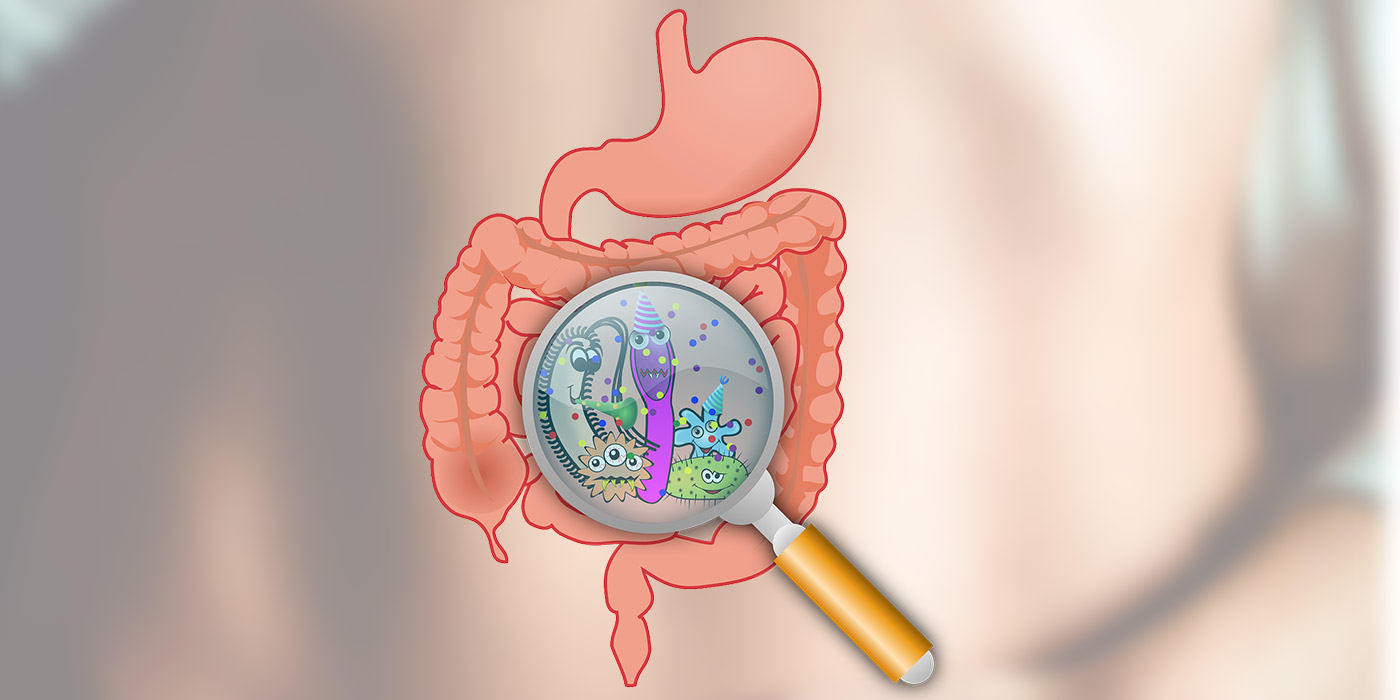
Can the microbiome influence the onset or worsening of non-alcoholic fatty liver disease? And can the condition of the liver be affected by adjusting the microbiota?
Answer:
Yes, gut microbiota appears to be one of the important factors influencing the course of NAFLD/MAFLD. An imbalance between bacteria that support healthy gut function and microbes that tend to cause inflammation can increase inflammatory activity, disrupt the gut barrier, and promote fat storage in the liver. But this also means that the structure and behavior of the microbiota can be positively influenced by targeted changes in the diet. Higher income works best fiber (vegetables, legumes, whole grains) supporting fermentation and the formation of short-chain fatty acids that help maintain healthy metabolic functioning of the liver. Regular consumption can also help fermented food (kefir, fermented cabbage, etc.). Conversely, a high proportion of simple sugars and ultra-processed foods weakens the stability of the microbiota and can worsen the course of steatosis. Probiotic supplements are being researched, but their effect is less consistent so far. The basis is still a varied and naturally composed diet. Therefore, changes in the composition of the intestinal microbiota do not represent a separate treatment, but are an important part of a broader strategy that relieves the liver and supports its ability to regenerate.
|
|
|

|
have a nice day
Mgr. Martin Jelínek
|
|
|
|

I have always been fascinated by the fundamental influence nutrition has on our health, energy and psychological well-being. Therefore, I was looking for an educational program that would offer a truly comprehensive approach - not only to food itself, but to the entire lifestyle. Courses Mgr. Martin Jelínek appealed to me precisely because of this connection of scientific knowledge with a holistic view of a person, an emphasis on an individual approach and a balance between theory and practice.
In teaching, I appreciate the opportunity to look at nutrition in a broader context - with regard to movement, sleep, regeneration and psychological balance. The ZOF learning application, which is an integral part of all ATAC courses, was also of great benefit to me. Thanks to it, it is possible to acquire new knowledge in a playful, interactive and very effective way, which makes studying truly modern and practically usable.
I am actively involved in sports and have several teaching licenses in the field of physical education, especially yoga, conditioning and fitness. I believe that nutrition and exercise are inextricably linked – one does not work without the other. I consider the connection of proper nutrition, conscious movement and mental balance to be the basis of real health.
Today's time is very fast-paced, and regular eating is often based on highly industrialized foods. This trend has become a regular part of the lives of many people, including children, and in my opinion significantly affects their health and overall vitality.
I would like to use my loaded knowledge from the course combined with my personal experience to spread awareness about healthy and sustainable eating and inspire my clients, loved ones and those around me, that even small changes can have a big benefit - and they don't have to be complicated or expensive. It is enough to return to nature, simplicity and a conscious approach to food.
I recommend the course to anyone who wants to understand nutrition in depth and learn to perceive it in the broader context of a healthy life.
M.Sc. Jana Tehlárová, MBA
|
|
Follow us
Facebook
Instagram
YouTube
|
ATAC spol. s.r.o.
Obrovského 2138/12, 710 00 Ostrava
|
Unsubscribe
|
You received this email because you subscribed. If you haven't done so, write to info@kurzyatac.cz.
|
|
© 2025 ATAC spol. s.r.o. All rights reserved.
|
|
Back to Newsletter Archive
<!doctype html>
<html lang="en" xmlns="http://www.w3.org/1999/xhtml" xmlns:v="urn:schemas-microsoft-com:vml" xmlns:o="urn:schemas-microsoft-com:office:office">
<head>
<meta charset="utf-8">
<meta name="viewport" content="width=device-width, initial-scale=1.0">
<meta http-equiv="X-UA-Compatible" content="IE=edge">
<meta name="x-apple-disable-message-reformatting">
<meta name="format-detection" content="telephone=no,address=no,email=no,date=no,url=no">
<title>Courses ATAC Newsletter</title>
<!--[if mso]>
<noscript>
<xml>
<o:OfficeDocumentSettings>
<o:AllowPNG/>
<o:PixelsPerInch>96</o:PixelsPerInch>
</o:OfficeDocumentSettings>
</xml>
</noscript>
<![endif]-->
<style>
/* ----- Reset + helpers ----- */
html, body { margin:0 !important; padding:0 !important; height:100% !important; width:100% !important; font-family:Arial, sans-serif; }
* { -ms-text-size-adjust:100%; -webkit-text-size-adjust:100%; }
table, td { mso-table-lspace:0pt !important; mso-table-rspace:0pt !important; }
img { -ms-interpolation-mode:bicubic; border:0; outline:none; text-decoration:none; display:block; }
a { text-decoration:none; }
/* ----- Container ----- */
.email-bg { background:#ddd; }
.wrapper { width:600px; margin:0 auto; }
.content { background:#ffffff; }
.px { padding-left:24px; padding-right:24px; }
.py { padding-top:24px; padding-bottom:24px; }
.py-2 { padding-top:24px; padding-bottom:20px; }
.py-sm { padding-top:16px; padding-bottom:16px; }
.muted { color:#6b7280; }
.heading { font-size:24px; line-height:32px; font-weight:700; margin:0; color:#111827; }
.subheading { font-size:20px; line-height:26px; font-weight:600; margin:0; color:#111827; }
.text { font-size:16px; line-height:24px; color:#111827; margin:0; }
.text p { margin-bottom: 1em }
.text a { text-decoration: underline }
.small { font-size:12px; line-height:18px; }
.divider { border-top:1px solid #e5e7eb; height:1px; line-height:1px; }
.btn { background:#21a158; color:#ffffff !important; padding:12px 20px; border-radius:6px; display:inline-block; font-weight:600; }
.btn:hover { opacity:0.9; }
.center { text-align:center; }
.col { vertical-align:top; }
.spacer-16 { height:16px; line-height:16px; font-size:16px; }
.spacer-24 { height:24px; line-height:24px; font-size:24px; }
.spacer-32 { height:32px; line-height:32px; font-size:32px; }
.read-more { color: #21a158; font-size: 16px; font-weight:bold; margin: 0 0 4px 0;}
h1 { font-size: 22px }
h2 { font-size: 19px; margin: 1.5em 0 0.5em 0 }
h3 { font-size: 16px; margin: 1.5em 0 0.5em 0 }
/* ----- Responsive ----- */
@media (max-width:600px) {
.px { padding-left:16px !important; padding-right:16px !important; }
.py { padding-top:20px !important; padding-bottom:20px !important; }
.stack, .stack > tbody > tr > td { display:block !important; width:100% !important; }
.hide-sm { display:none !important; height:0 !important; overflow:hidden !important; }
.center-sm { text-align:center !important; }
}
/* ----- Dark mode (where supported) ----- */
@media (prefers-color-scheme: dark) {
.email-bg { background:#0b1220 !important; }
.content { background:#0f172a !important; }
.heading, .subheading, .text { color:#e5e7eb !important; }
.muted { color:#94a3b8 !important; }
.divider { border-top-color:#1f2937 !important; }
}
</style>
</head>
<body class="email-bg" style="background:#f5f7fb;">
<!-- Preheader (hidden preview text) -->
<div style="display:none; overflow:hidden; line-height:1px; opacity:0; max-height:0; max-width:0;">
Keeping the liver in good shape is more important to overall health than most people realize. One of the most common problems is their obesity (steatosis), often without symptoms for a long time, but with significant health consequences...
</div>
<!-- Full width background -->
<table role="presentation" width="100%" cellpadding="0" cellspacing="0" border="0" class="email-bg">
<tr>
<td align="center" style="padding:8px">
<!--[if mso]>
<table role="presentation" width="600" cellpadding="0" cellspacing="0" border="0"><tr><td>
<![endif]-->
<div style="width:632px;background:#ffffff;padding:1em;margin:0 auto">
<table role="presentation" cellpadding="0" cellspacing="0" border="0" class="wrapper" width="600" style="width:600px; margin:0 auto;">
<!-- HEADER / LOGO -->
<tr>
<td class="px py-2 center content" style="border-radius:12px 12px 0 0;">
<!-- Logo -->
<a href="https://example.com" target="_blank" style="display:inline-block;">
<img src="https://www.kurzyatac.cz/data/newsletter/logo-en.png" width="240" height="40" alt="Logo" style="height:auto;">
</a>
</td>
</tr>
<!-- HERO BLOCK (image + headline + intro + CTA) -->
<tr>
<td class="content" style="background:#ffffff;">
<img src="https://www.kurzyatac.cz/data/vse-o-studiu/steatoza-jater.jpg" width="600" height="300" alt="Liver" style="width:100%; height:auto;">
<div class="px py">
<div class="text">
<p>Hello,</p>
<p>keeping the liver in good shape is more important to overall health than most people realize. One of the most common problems is their obesity (steatosis), often without symptoms for a long time, but with significant health consequences. Nowadays, this is not a rare diagnosis, but a common consequence of the modern lifestyle. A fatty liver remains silent for a long time, yet it increases the risk of inflammation, scarring and other diseases, including type 2 diabetes and cardiovascular complications. </p>
<p>In this newsletter, we will look at steatosis as a whole, but we will focus on the non-alcoholic form (NAFLD/MAFLD), which is mainly related to nutrition and exercise. We will explain what happens in the liver, what role the composition of the menu plays and which specific steps make sense in prevention and therapy.</p>
</div>
</div>
</td>
</tr>
<!-- DIVIDER -->
<tr>
<td class="content px">
<div style="height:12px; line-height:12px; font-size:12px;"></div>
<div style="border-top:1px solid #e5e7eb; height:1px; line-height:1px;"></div>
<div style="height:12px; line-height:12px; font-size:12px;"></div>
</td>
</tr>
<tr>
<td class="content" style="background:#ffffff;">
<div class="px py">
<div class="text">
<h1>What happens in fatty liver</h1>
<p><strong>Non-alcoholic</strong> liver steatosis (NAFLD, the accumulation of excessive amounts of fat in the liver unrelated to alcohol consumption, nowadays renamed to MAFLD - Metabolic Dysfunction-Associated Fatty Liver Disease) is one of the most common chronic liver diseases today, estimated to affect <a href="https://www.sciencedirect.com/science/article/abs/pii/S018844092400095X">30% of the population</a>.</p>
<p>It is most often the cause <strong>long-term excessive energy intake</strong> in combination with <strong>inappropriate diet composition</strong> a <strong>lack of movement</strong>. The fact is that the incidence of non-alcoholic steatosis is rapidly increasing hand in hand with the modern lifestyle and the number of sufferers is rising worldwide along with the obesity epidemic. Unlike alcoholic liver damage, NAFLD is often slow and insidious at first. It usually does not cause significant problems, but it can be even more insidious, because if it is not treated, it can turn into a dangerous inflammation of the liver (NASH) and other complications.</p>
<p>To make the picture complete, it is necessary to mention the second main branch of liver steatosis - the alcoholic one. While the non-alcoholic form plays the first violin <strong>metabolic status and lifestyle</strong>, in alcoholic steatosis the primary cause is overconsumption<strong> alcohol</strong>. In practice, however, both types can be combined, a typical example is a person with excess weight, metabolic syndrome and, at the same time, a higher alcohol intake.</p>
<p>The good news is that fatty liver is largely treatable<strong> regenerate with a suitable lifestyle</strong>. The goal of the treatment, which stands above all on <a href="https://bmcnutr.biomedcentral.com/articles/10.1186/s40795-024-00961-8">adjusting the diet, reducing excess weight and increasing physical activity</a>, is to reduce the accumulated fat in the liver tissue. Reducing body weight by as little as 7-10% is often reported to significantly improve liver health, reduce inflammation, and slow further damage to liver tissue. The important thing is that the changes must be comprehensive and long-term, none <strong>a short-term diet will not permanently resolve steatosis</strong>.</p>
<p>What should a diet that benefits the liver look like? </p>
<p>Basically, very similar to a healthy diet for each of us. It is recommended to prefer good quality<strong>, minimally processed foods</strong>, which will supply enough<strong> </strong>fiber, vitamins, minerals and antioxidants, and at the same time excel in low content <a href="https://pubmed.ncbi.nlm.nih.gov/38385102/">added sugars and unhealthy fats</a><u>.</u></p>
<p>On the contrary, sugary drinks and sweets with a high content should be limited <strong>fructose</strong>, which contributes most to the formation of fat in the liver. <strong>Fats</strong> it is advisable to choose more in the diet <strong>unsaturated</strong> (vegetable oils, avocados, nuts, fatty fish) and limit<strong> saturated </strong>fatty acids and trans fats found in fatty meats, cured meats, fried foods and cheap sweets. At the same time, current systematic reviews emphasize that there is not just "one miracle diet", but rather different variants that share a common basis - less ultra-processed foods and more natural foods with a higher nutritional density.</p>
<p>Equally important is regularity<strong> movement</strong>, because physical activity improves the body's sensitivity to insulin, helps burn fat and generally speeds up metabolism. Meta-analyses show that <a href="https://www.cghjournal.org/article/S1542-3565(21)01264-7/fulltext">regular exercise</a> – ideally 2.5-5 hours per week<strong> </strong>aerobic activities and strength training 2-3 times a week - leads to a decrease in the amount of fat in the liver and a decrease in liver enzymes.</p>
<p>
It is also interesting that research attributes a certain protective effect to regular consumption <b>coffee</b>. Available data suggest that in coffee drinkers it occurs at approx
o <a href="https://pubmed.ncbi.nlm.nih.gov/34578919/">35% fewer cases of advanced liver fibrosis</a> in non-alcoholic steatosis. Coffee contains antioxidants
and other beneficial substances that can slow down inflammatory processes leading to liver tissue scarring.
</p>
</div>
</div>
</td>
</tr>
<!-- DIVIDER -->
<tr>
<td class="content px">
<div style="height:12px; line-height:12px; font-size:12px;"></div>
<div style="border-top:1px solid #e5e7eb; height:1px; line-height:1px;"></div>
<div style="height:12px; line-height:12px; font-size:12px;"></div>
</td>
</tr>
<!-- TEXT BLOCK -->
<tr>
<td class="content px py">
<p style="color: #21a158; font-size: 16px; font-weight:bold; margin: 0 0 4px 0;">Read:</p>
<h2 style="font-size:20px; line-height:26px; font-weight:600; margin:0 0 1em 0; color:#111827;margin-bottom:1em">Liver care starts on the plate</h2>
<p class="text">
Liver steatosis is a complex topic that affects many areas of metabolism and daily habits. It touches on nutrition, exercise, hormonal influences and long-term energy balance. For a better understanding, it is useful to perceive it in a wider context, not only as an isolated finding on the liver.
</p>
<div style="height:24px; line-height:24px; font-size:24px;"></div>
<div>
<!--[if mso]>
<v:roundrect xmlns:v="urn:schemas-microsoft-com:vml" xmlns:w="urn:schemas-microsoft-com:office:word" href="https://www.nutricourses.com/magazine/liver-steatosis" style="height:44px;v-text-anchor:middle;width:220px;" arcsize="10%" stroke="f" fillcolor="#21a158">
<w:anchorlock/>
<center style="color:#ffffff;font-family:Arial, sans-serif;font-size:16px;font-weight:bold;">Primary action</center>
</v:roundrect>
<![endif]-->
<!--[if !mso]><!-- -->
<a style="background:#21a158; color:#ffffff !important; padding:12px 20px; border-radius:6px; display:inline-block; font-weight:600;" href="https://www.nutricourses.com/magazine/liver-steatosis" target="_blank">Read the article</a>
<!--<![endif]-->
</div>
</td>
</tr>
<!-- DIVIDER -->
<tr>
<td class="content px">
<div style="height:16px; line-height:16px; font-size:16px;"></div>
<div style="border-top:1px solid #e5e7eb; height:1px; line-height:1px;"></div>
<div style="height:16px; line-height:16px; font-size:16px;"></div>
</td>
</tr>
<!-- TEXT + IMAGE (2 columns) -->
<tr>
<td class="content px py">
<p style="color: #21a158; font-size: 16px; font-weight:bold; margin: 0 0 4px 0;">Practical tip:</p>
<h2 style="font-size:20px; line-height:26px; font-weight:600; margin:0; color:#111827;margin-bottom:1em">What you can do right now</h2>
<div class="text">
<p>Sometimes small changes in daily habits are enough to significantly relieve the liver. Try some practical tips for a healthier liver:</p>
<ul>
<li style="margin-bottom:.75em"><strong>Control your calorie intake and lose weight gradually:</strong> If you are overweight, aim for a slow and sustainable weight reduction (approximately 0.5 kg per week). Even a relatively small weight loss (5-10% of body weight) can significantly improve the condition of the liver and reduce the amount of stored fat.</li>
<li style="margin-bottom:.75em"><strong>Limit sugars, especially sugary drinks:</strong> Avoid regularly drinking sweet sodas, energy drinks and sweetened juices. Excess sugar (mainly fructose) is easily converted to fat, which is then stored in the liver. The biggest source of excess fructose is sugary drinks and sweets.</li>
<li style="margin-bottom:.75em"><strong>Choose healthy fats over unhealthy fats:</strong> Minimize your intake of saturated and trans fats as much as possible, ie. limit fatty meats, sausages, fried foods, industrial sweets and salty snacks. Instead, use sources of unsaturated fats: quality vegetable oils (olive, canola), avocados, nuts and seeds, or fatty fish rich in omega-3 fatty acids. These fats have a beneficial effect on metabolism and do not burden the liver as much.</li>
<li style="margin-bottom:.75em"><strong>Eat more fiber:</strong> Treat yourself to enough vegetables, legumes, whole grains and a reasonable amount of fruit every day. Fiber helps regulate fat digestion and induces a feeling of satiety, thus indirectly preventing overeating. In addition, it supports healthy intestinal microbiota, which also affects liver metabolism.</li>
<li style="margin-bottom:.75em"><strong>Exercise regularly:</strong> Try to fit in at least 30 minutes of exercise a day, whether it's brisk walking, cycling, swimming or doing video exercises at home. Regular exercise helps burn excess energy, improves insulin sensitivity and promotes the breakdown of fat from the liver. It is ideal to find a movement that you enjoy so that you can stick with it for a long time.</li>
<li><strong>Do not believe in miracle cures or drastic diets:</strong> Various "detox" teas, fasting or one-sided diets promise quick results, but in reality they can burden the liver even more or lead to a yo-yo effect. For permanent improvement of liver condition, it is best to stick to a balanced, varied diet and a healthy lifestyle. Just find a regimen that you will be able to follow long-term.</li>
</ul>
</div>
</td>
</tr>
<!-- DIVIDER -->
<tr>
<td class="content px">
<div style="height:12px; line-height:12px; font-size:12px;"></div>
<div style="border-top:1px solid #e5e7eb; height:1px; line-height:1px;"></div>
<div style="height:16px; line-height:16px; font-size:16px;"></div>
</td>
</tr>
<!-- TEXT + IMAGE (2 columns) -->
<tr>
<td class="content px py">
<p style="color: #21a158; font-size: 16px; font-weight:bold; margin: 0 0 4px 0;">Nutrition in Q&A:</p>
<p style="margin-top:16px;margin-bottom:16px"><img src="https://www.kurzyatac.cz/data/vse-o-studiu/strevni-mikrobiota.jpg" alt="" style="width:100%; height:auto;"></p>
<div class="text">
<p>
We choose from questions from <a href="https://www.nutricourses.com/advisory">Counseling</a>, which is an integral part of our courses. Answers that inspire, explain and can help you on your way to a healthier life.</p>
<p><em>Question:</em></p>
<p>Can the microbiome influence the onset or worsening of non-alcoholic fatty liver disease? And can the condition of the liver be affected by adjusting the microbiota?</p>
<p><em>Answer:</em></p>
<p>Yes, gut microbiota appears to be one of the important factors influencing the course of NAFLD/MAFLD. An imbalance between bacteria that support healthy gut function and microbes that tend to cause inflammation can increase inflammatory activity, disrupt the gut barrier, and promote fat storage in the liver. But this also means that the structure and behavior of the microbiota can be positively influenced by targeted changes in the diet. Higher income works best <b>fiber</b> (vegetables, legumes, whole grains) supporting fermentation and the formation of short-chain fatty acids that help maintain healthy metabolic functioning of the liver. Regular consumption can also help <b>fermented</b> food (kefir, fermented cabbage, etc.). Conversely, a high proportion of simple sugars and ultra-processed foods weakens the stability of the microbiota and can worsen the course of steatosis. Probiotic supplements are being researched, but their effect is less consistent so far. The basis is still a varied and naturally composed diet. Therefore, changes in the composition of the intestinal microbiota do not represent a separate treatment, but are an important part of a broader strategy that relieves the liver and supports its ability to regenerate.</p>
</div>
</td>
</tr>
<!-- DIVIDER -->
<tr>
<td class="content px">
<div style="height:16px; line-height:16px; font-size:16px;"></div>
<div style="border-top:1px solid #e5e7eb; height:1px; line-height:1px;"></div>
<div style="height:12px; line-height:12px; font-size:12px;"></div>
</td>
</tr>
<tr>
<td class="content px">
<table>
<tr>
<td width="32">
<img src="https://www.kurzyatac.cz/assets/images/mj-podpis.jpg" alt="Martin Jelínek" style="width:64px;height:auto;border:1px solid #eee;display:block;border-radius:4px" />
</td>
<td style="padding-left:1em;font-size:.9em;color:#555;vertical-align:middle;">
have a nice day<br />
Mgr. Martin Jelínek
</td>
</tr>
</table>
</td>
</tr>
<!-- DIVIDER -->
<tr>
<td class="content px">
<div style="height:16px; line-height:16px; font-size:16px;"></div>
<div style="border-top:1px solid #e5e7eb; height:1px; line-height:1px;"></div>
<div style="height:16px; line-height:16px; font-size:16px;"></div>
</td>
</tr>
<!-- ABSOLVENT -->
<!-- TEXT BLOCK -->
<tr>
<td class="content px py" style="padding-top:0">
<div class="text" style="font-size:.9em;line-height:140%">
<img src="https://www.kurzyatac.cz/data/absolventi/jana-tehlarova.jpg?v6" alt="" style="float:right;width:120px;height:auto;margin:6px 0 1em 2em;border-radius:5px" />
<p>I have always been fascinated by the fundamental influence nutrition has on our health, energy and psychological well-being. Therefore, I was looking for an educational program that would offer a truly comprehensive approach - not only to food itself, but to the entire lifestyle. Courses Mgr. Martin Jelínek appealed to me precisely because of this connection of scientific knowledge with a holistic view of a person, an emphasis on an individual approach and a balance between theory and practice.<br /><br />
In teaching, I appreciate the opportunity to look at nutrition in a broader context - with regard to movement, sleep, regeneration and psychological balance. The ZOF learning application, which is an integral part of all ATAC courses, was also of great benefit to me. Thanks to it, it is possible to acquire new knowledge in a playful, interactive and very effective way, which makes studying truly modern and practically usable.<br /><br />
I am actively involved in sports and have several teaching licenses in the field of physical education, especially yoga, conditioning and fitness. I believe that nutrition and exercise are inextricably linked – one does not work without the other. I consider the connection of proper nutrition, conscious movement and mental balance to be the basis of real health.<br /><br />
Today's time is very fast-paced, and regular eating is often based on highly industrialized foods. This trend has become a regular part of the lives of many people, including children, and in my opinion significantly affects their health and overall vitality.<br /><br />
I would like to use my loaded knowledge from the course combined with my personal experience to spread awareness about healthy and sustainable eating and inspire my clients, loved ones and those around me, that even small changes can have a big benefit - and they don't have to be complicated or expensive. It is enough to return to nature, simplicity and a conscious approach to food.<br /><br />
I recommend the course to anyone who wants to understand nutrition in depth and learn to perceive it in the broader context of a healthy life.<br /></p>
<p><b><a href="https://www.kurzyatac.cz/absolvent/415/mgr-jana-tehlarova-mba">M.Sc. Jana Tehlárová, MBA</a></b>
</p>
</div>
</td> </tr>
<!-- SOCIAL (icons as text placeholders) -->
<tr>
<td class="content px py center">
<p class="small muted" style="margin:0 0 8px;">Follow us</p>
<p class="small">
<a href="https://www.facebook.com/kurzyatac" target="_blank" style="margin:0 8px; color:#2563eb;">Facebook</a>
<a href="https://www.instagram.com/kurzyatac.cz" target="_blank" style="margin:0 8px; color:#2563eb;">Instagram</a>
<a href="https://www.youtube.com/@MartinJel%C3%ADnekVyziva" target="_blank" style="margin:0 8px; color:#2563eb;">YouTube</a>
</p>
</td>
</tr>
<!-- FOOTER -->
<tr>
<td class="content px py" style="border-radius:0 0 12px 12px;">
<div style="border-top:1px solid #e5e7eb; height:1px; line-height:1px;"></div>
<div style="height:16px; line-height:16px; font-size:16px;"></div>
<table role="presentation" width="100%" cellpadding="0" cellspacing="0" border="0">
<tr>
<td class="small muted" style="text-align:left;">
ATAC spol. s.r.o.<br>
<span>Obrovského 2138/12, 710 00 Ostrava</span>
</td>
<td class="small muted" style="text-align:right;">
<a href="https://www.kurzyatac.cz/newsletter-odhlaseni" target="_blank" style="color:#6b7280; text-decoration:underline;">Unsubscribe</a>
</td>
</tr>
</table>
<div style="height:16px; line-height:16px; font-size:16px;"></div>
<p class="small muted" style="margin:0;">You received this email because you subscribed. If you haven't done so, write to <a href="mailto:info@kurzyatac.cz" style="color:#6b7280; text-decoration:underline;">info@kurzyatac.cz</a>.</p>
</td>
</tr>
<!-- LEGAL / ADDRESS -->
<tr>
<td class="px py-sm center muted small">
© 2025 ATAC spol. s.r.o. All rights reserved.
</td>
</tr>
</table>
</div>
<!--[if mso]></td></tr></table><![endif]-->
</td>
</tr>
</table>
</body>
</html>
