Hidden Salt - The Silent Enemy of Our Health
Salt, as the main source of sodium, is essential for life. But as soon as the amount of this element exceeds a certain limit, it becomes a burden that significantly affects our health...

|
Good morning,
salt as the main source of sodium is essential for life. But as soon as the amount of this element exceeds a certain limit, it becomes a burden that significantly affects our health.
The biggest problem is the ability of sodium to retain water in the body, thus increasing blood pressure and the burden on the lymphatic system and promoting the development of inflammation. Therefore, responsible people try to monitor the amount of salt they add to food.
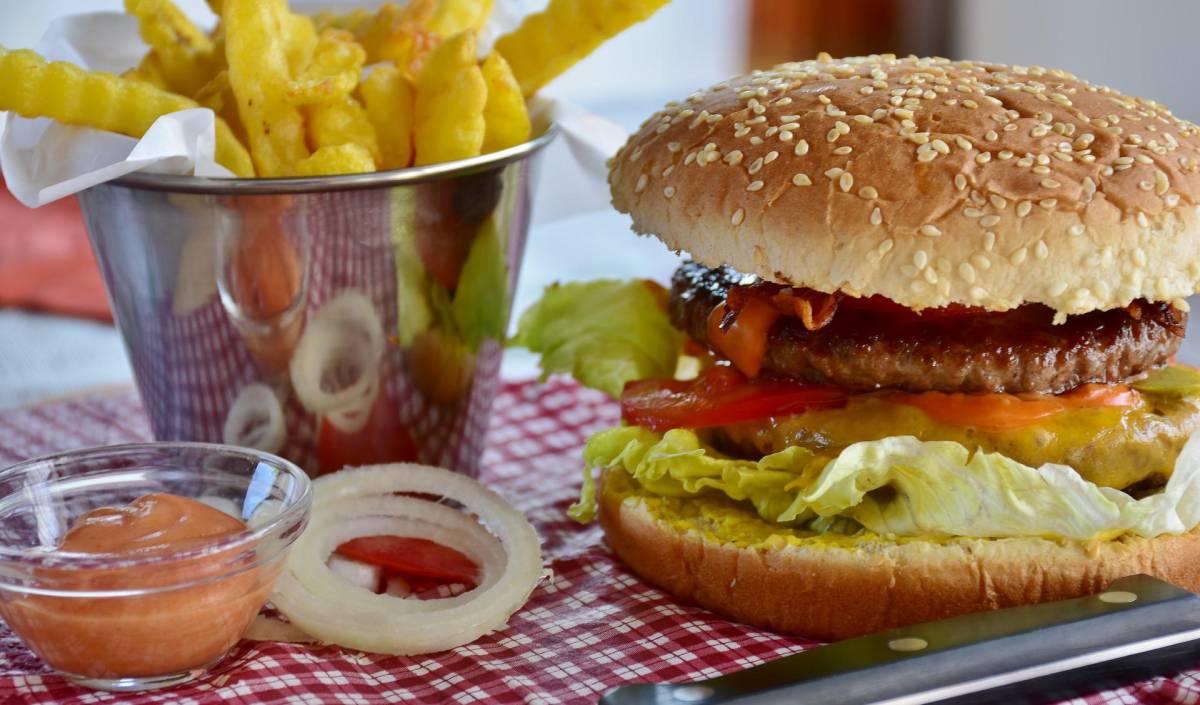
But the problem is that most of the sodium we take in is hiding where we don't expect it - in baked goods, cold cuts, cheese and processed foods.
In this edition, we will look at where salt is hiding, what are its consequences for the body, what scientific reviews say, and we will also add some practical tips on how to reduce its intake without losing taste.
|
|
|
Salt over gold? Only to a certain extent
Long-term monitoring of salt intake in the population shows, that most people are well above the recommended limit of 5 grams per day set by the World Health Organization (WHO).
This trend is visible across most European countries, for men the usual consumption is between 9 - 12 g, for women around 7 - 10 g per day. Excess salt does not only pose a risk to the cardiovascular system, but also has broader effects on metabolic and inflammatory processes in the body.
Review studies and meta-analyses show that excessive salt intake:
-
increases blood pressure and thus the risk of cardiovascular disease including hypertension, heart attack and stroke. The good news is that even a modest reduction in sodium intake leads to a measurable drop in blood pressure in the population, according to research.
-
contributes to kidney damage and impairs their ability to regulate fluid balance.
-
can be associated with higher risk of stomach cancer.
Interestingly, until 70% of daily salt intake it comes from industrially processed foods. A typical example is not only sausages or instant meals, but also foods that we normally consider healthy - whole grain breads, cheeses, sauces or plant-based meat alternatives.
These "hidden sources" mean that even people who salt their food only minimally can consume twice the recommended amount daily. Therefore, monitoring sodium content on labels and preferring fresh, unprocessed foods is one of the most effective steps to reduce overall salt intake and thereby improve long-term health.
|
|
|
|
Read:
The salt we can't see
A high intake of salt is often not caused by knowingly overusing it in cooking, but by accepting it covertly in foods that seem harmless at first glance. The amount of salt in the regular menu does not affect the salting itself the most, but food processing. Even products labeled "healthy" or "fit" can be a significant source of sodium.
At the same time, the difference of a few grams per day means a great burden for the organism, because it affects blood pressure, kidney function and fluid balance, and contributes to chronic inflammation in the long term. Hidden salt in food therefore has a much greater influence than most people realize, interfering with metabolism, taste preferences and the overall regulation of fluid and mineral intake.
|
|
|
|
Practical tip:
How to reduce salt intake without losing the taste of food
Cutting back on salt doesn't mean giving up taste. By focusing on the quality of ingredients and natural seasonings, you can add a depth and flavor to your food that salt alone can never replace:
- Replace some of the salt with herbs and spices
Try garlic, thyme, rosemary, marjoram, chilli or lemon juice. These ingredients enhance the taste of food and at the same time provide the body with antioxidants that reduce inflammatory processes.
- Reach for fresh foods
In general, the less industrially processed the food, the less hidden salt it contains. Fresh vegetables, legumes, fish and meat prepared at home allow you to control the amount of salt and the quality of the ingredients.
- Check the labels
On the packages, observe the indication "salt" or "sodium". Even small differences in the numbers can mean a big difference in the total daily intake. Some foods contain several times more salt than the taste suggests.
- Watch out for cheeses, sauces and pastries
These products are among the most common sources of hidden salt, even if they do not taste overly salty. One slice of cheese or portion of bread can contain more sodium than an entire home-cooked lunch.
Even a slight reduction in salting when preparing meals or replacing instant meals with fresh ones can have a significant long-term effect on health and on the perception of the natural taste of food.
|
|
|
|
Nutrition in Q&A:
We choose from questions from Counseling, which is an integral part of our courses. Answers that inspire, explain and can help you on your way to a healthier life.
Question:
Is sea salt or Himalayan salt healthier than regular table salt?
Response:
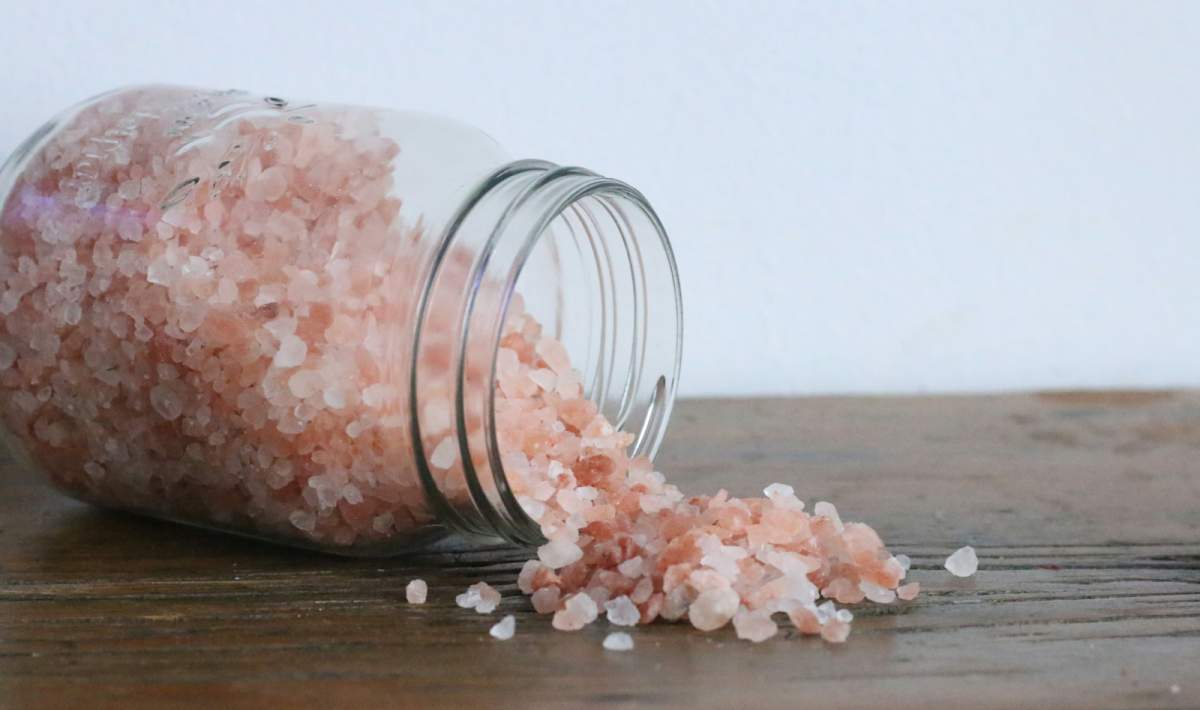
The differences between individual types of salt are more marketing than nutritional. All commonly used salts (sea, rock, Himalayan...) contain approximately 97-99% sodium chloride (NaCl), which contains 40% sodium. They differ only in the content of trace elements. Himalayan salt has a slightly pinkish color due to the admixture of iron oxides and contains slightly more iron and manganese. However, these minerals are present in negligible amounts, they do not have a fundamental effect on the behavior of the metabolism. Much the same is true for sea salt, which can contain trace amounts of magnesium, potassium or iodine if it is not refined. However, these differences do not play a significant role in terms of nutrition. More important than the type of salt is the total amount we take in daily.
|
|
|

|
have a nice day
Mgr. Martin Jelínek
|
|
|
|

I have been interested in healthy nutrition in combination with movement, relaxation and the search for a balanced and calmer way of life for many years. This interest of mine resulted in a search for some comprehensive course on nutrition and health. I researched the courses advertised on the Internet, and of all the options offered, I was most interested in the six-month distance course with Martin Jelínek. I liked the comprehensive and comprehensive focus of the course, the length of six months seemed reasonable to me, so that the student would not be just an unfinished "quick leaver". I appreciated the distance form with the possibility to meet once a month and clarify any ambiguities on the spot. And last but not least, I was interested in the processing of study materials in the form of mind maps, which I consider perfect and recommend it to my daughters as a study aid.
The course exceeded my expectations, I learned an immense amount of valuable information about nutrition, supplementation and the possibilities of how nutrition can affect certain health problems and how to prevent them. Very interesting were the study lessons on Ayurveda and traditional Chinese medicine, which provide a person with an enriching view of nutrition and health from a different perspective. Mr. Jelínek gave the course a very friendly, helpful and easy-to-understand character the whole time, I always got a professional answer to all my questions (and also a very quick one for those by email). The course definitely motivated me to further my education in this interesting field.
I started applying the acquired knowledge continuously in my family and in my own consulting practice in Prague.
Ing. Renata Davidová
www.empiria-fv.eu
|
|
Follow us
Facebook
Instagram
YouTube
|
ATAC spol. s.r.o.
Obrovského 2138/12, 710 00 Ostrava
|
Unsubscribe
|
You received this email because you subscribed. If you haven't done so, write to info@kurzyatac.cz.
|
|
© 2025 ATAC spol. s.r.o. All rights reserved.
|
|
Back to Newsletter Archive
<!doctype html>
<html lang="en" xmlns="http://www.w3.org/1999/xhtml" xmlns:v="urn:schemas-microsoft-com:vml" xmlns:o="urn:schemas-microsoft-com:office:office">
<head>
<meta charset="utf-8">
<meta name="viewport" content="width=device-width, initial-scale=1.0">
<meta http-equiv="X-UA-Compatible" content="IE=edge">
<meta name="x-apple-disable-message-reformatting">
<meta name="format-detection" content="telephone=no,address=no,email=no,date=no,url=no">
<title>Courses ATAC Newsletter</title>
<!--[if mso]>
<noscript>
<xml>
<o:OfficeDocumentSettings>
<o:AllowPNG/>
<o:PixelsPerInch>96</o:PixelsPerInch>
</o:OfficeDocumentSettings>
</xml>
</noscript>
<![endif]-->
<style>
/* ----- Reset + helpers ----- */
html, body { margin:0 !important; padding:0 !important; height:100% !important; width:100% !important; font-family:Arial, sans-serif; }
* { -ms-text-size-adjust:100%; -webkit-text-size-adjust:100%; }
table, td { mso-table-lspace:0pt !important; mso-table-rspace:0pt !important; }
img { -ms-interpolation-mode:bicubic; border:0; outline:none; text-decoration:none; display:block; }
a { text-decoration:none; }
/* ----- Container ----- */
.email-bg { background:#ddd; }
.wrapper { width:600px; margin:0 auto; }
.content { background:#ffffff; }
.px { padding-left:24px; padding-right:24px; }
.py { padding-top:24px; padding-bottom:24px; }
.py-2 { padding-top:24px; padding-bottom:20px; }
.py-sm { padding-top:16px; padding-bottom:16px; }
.muted { color:#6b7280; }
.heading { font-size:24px; line-height:32px; font-weight:700; margin:0; color:#111827; }
.subheading { font-size:20px; line-height:26px; font-weight:600; margin:0; color:#111827; }
.text { font-size:16px; line-height:24px; color:#111827; margin:0; }
.text p { margin-bottom: 1em }
.text a { text-decoration: underline }
.small { font-size:12px; line-height:18px; }
.divider { border-top:1px solid #e5e7eb; height:1px; line-height:1px; }
.btn { background:#21a158; color:#ffffff !important; padding:12px 20px; border-radius:6px; display:inline-block; font-weight:600; }
.btn:hover { opacity:0.9; }
.center { text-align:center; }
.col { vertical-align:top; }
.spacer-16 { height:16px; line-height:16px; font-size:16px; }
.spacer-24 { height:24px; line-height:24px; font-size:24px; }
.spacer-32 { height:32px; line-height:32px; font-size:32px; }
.read-more { color: #21a158; font-size: 16px; font-weight:bold; margin: 0 0 4px 0;}
h1 { font-size: 22px }
h2 { font-size: 19px; margin: 1.5em 0 0.5em 0 }
h3 { font-size: 16px; margin: 1.5em 0 0.5em 0 }
/* ----- Responsive ----- */
@media (max-width:600px) {
.px { padding-left:16px !important; padding-right:16px !important; }
.py { padding-top:20px !important; padding-bottom:20px !important; }
.stack, .stack > tbody > tr > td { display:block !important; width:100% !important; }
.hide-sm { display:none !important; height:0 !important; overflow:hidden !important; }
.center-sm { text-align:center !important; }
}
/* ----- Dark mode (where supported) ----- */
@media (prefers-color-scheme: dark) {
.email-bg { background:#0b1220 !important; }
.content { background:#0f172a !important; }
.heading, .subheading, .text { color:#e5e7eb !important; }
.muted { color:#94a3b8 !important; }
.divider { border-top-color:#1f2937 !important; }
}
</style>
</head>
<body class="email-bg" style="background:#f5f7fb;">
<!-- Preheader (hidden preview text) -->
<div style="display:none; overflow:hidden; line-height:1px; opacity:0; max-height:0; max-width:0;">
Salt, as the main source of sodium, is essential for life. But as soon as the amount of this element exceeds a certain limit, it becomes a burden that significantly affects our health...
</div>
<!-- Full width background -->
<table role="presentation" width="100%" cellpadding="0" cellspacing="0" border="0" class="email-bg">
<tr>
<td align="center" style="padding:8px">
<!--[if mso]>
<table role="presentation" width="600" cellpadding="0" cellspacing="0" border="0"><tr><td>
<![endif]-->
<div style="width:632px;background:#ffffff;padding:1em;margin:0 auto">
<table role="presentation" cellpadding="0" cellspacing="0" border="0" class="wrapper" width="600" style="width:600px; margin:0 auto;">
<!-- HEADER / LOGO -->
<tr>
<td class="px py-2 center content" style="border-radius:12px 12px 0 0;">
<!-- Logo -->
<a href="https://example.com" target="_blank" style="display:inline-block;">
<img src="https://www.kurzyatac.cz/data/newsletter/logo-en.png" width="240" height="40" alt="Logo" style="height:auto;">
</a>
</td>
</tr>
<!-- HERO BLOCK (image + headline + intro + CTA) -->
<tr>
<td class="content" style="background:#ffffff;">
<img src="https://www.kurzyatac.cz/data/vse-o-studiu/skryta-sul.jpg" width="600" height="300" alt="Hero picture" style="width:100%; height:auto;">
<div class="px py">
<div class="text">
<p>Good morning,</p>
<p>salt as the main source of sodium is essential for life. But as soon as the amount of this element exceeds a certain limit, it becomes a burden that significantly affects our health.
The biggest problem is the ability of sodium to retain water in the body, thus increasing blood pressure and the burden on the lymphatic system and promoting the development of inflammation. Therefore, responsible people try to monitor the amount of salt they add to food.
But the problem is that most of the sodium we take in is hiding where we don't expect it - in baked goods, cold cuts, cheese and processed foods.</p>
<p>In this edition, we will look at where salt is hiding, what are its consequences for the body, what scientific reviews say, and we will also add some practical tips on how to reduce its intake without losing taste.</p>
</div>
</div>
</td>
</tr>
<!-- DIVIDER -->
<tr>
<td class="content px">
<div style="height:12px; line-height:12px; font-size:12px;"></div>
<div style="border-top:1px solid #e5e7eb; height:1px; line-height:1px;"></div>
<div style="height:12px; line-height:12px; font-size:12px;"></div>
</td>
</tr>
<tr>
<td class="content" style="background:#ffffff;">
<div class="px py">
<div class="text">
<h1>Salt over gold? Only to a certain extent</h1>
<p>Long-term monitoring of salt intake in the population <a href="https://pmc.ncbi.nlm.nih.gov/articles/PMC10801383">shows</a>, that most people are well above the recommended limit of 5 grams per day set by the World Health Organization (WHO).
This trend is visible across most European countries, for men the usual consumption is between 9 - 12 g, for women around 7 - 10 g per day. Excess salt does not only pose a risk to the cardiovascular system, but also has broader effects on metabolic and inflammatory processes in the body.</p>
<p>Review studies and meta-analyses show that excessive salt intake:</p>
<ul>
<li style="margin-bottom:1em">
<b>increases <a href="https://pmc.ncbi.nlm.nih.gov/articles/PMC7601012">blood pressure</a></b> and thus the risk of cardiovascular disease including hypertension, heart attack and stroke. The good news is that even a modest reduction in sodium intake leads to a measurable drop in blood pressure in the population, according to research.
</li>
<li style="margin-bottom:1em">
<b>contributes to <a href="https://pubmed.ncbi.nlm.nih.gov/26885022">kidney damage</a></b> and impairs their ability to regulate fluid balance.
</li>
<li>
can be associated with <b><a href="https://pubmed.ncbi.nlm.nih.gov/36296944">higher risk of stomach cancer</a></b>.
</li>
</ul>
<p>Interestingly, until <a href="https://www.who.int/europe/news/item/15-05-2025-from-policy-to-plate--how-countries-can-reduce-salt-intake-and-protect-people-s-health">70% of daily salt intake</a> it comes from industrially processed foods. A typical example is not only sausages or instant meals, but also foods that we normally consider healthy - <b>whole grain breads, cheeses, sauces or plant-based meat alternatives</b>.</p>
<p>These "hidden sources" mean that even people who salt their food only minimally can consume twice the recommended amount daily. Therefore, monitoring sodium content on labels and preferring fresh, unprocessed foods is one of the most effective steps to reduce overall salt intake and thereby improve long-term health.</p>
</div>
</div>
</td>
</tr>
<!-- DIVIDER -->
<tr>
<td class="content px">
<div style="height:12px; line-height:12px; font-size:12px;"></div>
<div style="border-top:1px solid #e5e7eb; height:1px; line-height:1px;"></div>
<div style="height:12px; line-height:12px; font-size:12px;"></div>
</td>
</tr>
<!-- TEXT BLOCK -->
<tr>
<td class="content px py">
<p style="color: #21a158; font-size: 16px; font-weight:bold; margin: 0 0 4px 0;">Read:</p>
<h2 style="font-size:20px; line-height:26px; font-weight:600; margin:0 0 1em 0; color:#111827;margin-bottom:1em">The salt we can't see</h2>
<p class="text">
A high intake of salt is often not caused by knowingly overusing it in cooking, but by accepting it <b>covertly</b> in foods that seem harmless at first glance. The amount of salt in the regular menu does not affect the salting itself the most, but <b>food processing</b>. Even products labeled "healthy" or "fit" can be a significant source of sodium.<br /><br />
At the same time, the difference of a few grams per day means a great burden for the organism, because it affects <b>blood pressure, kidney function and fluid balance</b>, and contributes to chronic inflammation in the long term. Hidden salt in food therefore has a much greater influence than most people realize, interfering with metabolism, taste preferences and the overall regulation of fluid and mineral intake.
<div style="height:24px; line-height:24px; font-size:24px;"></div>
<div>
<!--[if mso]>
<v:roundrect xmlns:v="urn:schemas-microsoft-com:vml" xmlns:w="urn:schemas-microsoft-com:office:word" href="http://nutricourses.com/magazine/hidden-salt" style="height:44px;v-text-anchor:middle;width:220px;" arcsize="10%" stroke="f" fillcolor="#21a158">
<w:anchorlock/>
<center style="color:#ffffff;font-family:Arial, sans-serif;font-size:16px;font-weight:bold;">Primary action</center>
</v:roundrect>
<![endif]-->
<!--[if !mso]><!-- -->
<a style="background:#21a158; color:#ffffff !important; padding:12px 20px; border-radius:6px; display:inline-block; font-weight:600;" href="http://nutricourses.com/magazine/hidden-salt" target="_blank">Read the article</a>
<!--<![endif]-->
</div>
</td>
</tr>
<!-- DIVIDER -->
<tr>
<td class="content px">
<div style="height:16px; line-height:16px; font-size:16px;"></div>
<div style="border-top:1px solid #e5e7eb; height:1px; line-height:1px;"></div>
<div style="height:16px; line-height:16px; font-size:16px;"></div>
</td>
</tr>
<!-- TEXT + IMAGE (2 columns) -->
<tr>
<td class="content px py">
<p style="color: #21a158; font-size: 16px; font-weight:bold; margin: 0 0 4px 0;">Practical tip:</p>
<h2 style="font-size:20px; line-height:26px; font-weight:600; margin:0; color:#111827;margin-bottom:1em">How to reduce salt intake without losing the taste of food</h2>
<div class="text">
<p>Cutting back on salt doesn't mean giving up taste. By focusing on the quality of ingredients and natural seasonings, you can add a depth and flavor to your food that salt alone can never replace:</p>
<ul>
<li style="margin-bottom:1em"><b>Replace some of the salt with herbs and spices</b><br />Try garlic, thyme, rosemary, marjoram, chilli or lemon juice. These ingredients enhance the taste of food and at the same time provide the body with antioxidants that reduce inflammatory processes.</li>
<li style="margin-bottom:1em"><b>Reach for fresh foods</b><br />In general, the less industrially processed the food, the less hidden salt it contains. Fresh vegetables, legumes, fish and meat prepared at home allow you to control the amount of salt and the quality of the ingredients.</li>
<li style="margin-bottom:1em"><b>Check the labels</b><br />On the packages, observe the indication "<i>salt</i>" or "<i>sodium</i>". Even small differences in the numbers can mean a big difference in the total daily intake. Some foods contain several times more salt than the taste suggests.</li>
<li style="margin-bottom:1em"><b>Watch out for cheeses, sauces and pastries</b><br />
These products are among the most common sources of hidden salt, even if they do not taste overly salty. One slice of cheese or portion of bread can contain more sodium than an entire home-cooked lunch.</li>
</ul>
<p>Even a slight reduction in salting when preparing meals or replacing instant meals with fresh ones can have a significant long-term effect on health and on the perception of the natural taste of food.</p>
</div>
</td>
</tr>
<!-- DIVIDER -->
<tr>
<td class="content px">
<div style="height:12px; line-height:12px; font-size:12px;"></div>
<div style="border-top:1px solid #e5e7eb; height:1px; line-height:1px;"></div>
<div style="height:16px; line-height:16px; font-size:16px;"></div>
</td>
</tr>
<!-- TEXT + IMAGE (2 columns) -->
<tr>
<td class="content px py">
<p style="color: #21a158; font-size: 16px; font-weight:bold; margin: 0 0 4px 0;">Nutrition in Q&A:</p>
<p style="margin-top:16px;margin-bottom:16px"><img src="https://www.kurzyatac.cz/data/newsletter/himalajska-sul.jpg" alt="" style="width:100%; height:auto;"></p>
<div class="text">
<p>
We choose from questions from <a href="https://www.nutricourses.com/advisory">Counseling</a>, which is an integral part of our courses. Answers that inspire, explain and can help you on your way to a healthier life.</p>
<p><em>Question:</em></p>
<p>Is sea salt or Himalayan salt healthier than regular table salt?</p>
<p><em>Response:</em></p>
<p>The differences between individual types of salt are more marketing than nutritional. All commonly used salts (sea, rock, Himalayan...) contain approximately 97-99% sodium chloride (NaCl), which contains 40% sodium. They differ only in the content of trace elements. Himalayan salt has a slightly pinkish color due to the admixture of iron oxides and contains slightly more iron and manganese. However, these minerals are present in negligible amounts, they do not have a fundamental effect on the behavior of the metabolism. Much the same is true for sea salt, which can contain trace amounts of magnesium, potassium or iodine if it is not refined. However, these differences do not play a significant role in terms of nutrition. More important than the type of salt is the total amount we take in daily.
</p>
</div>
</td>
</tr>
<!-- DIVIDER -->
<tr>
<td class="content px">
<div style="height:16px; line-height:16px; font-size:16px;"></div>
<div style="border-top:1px solid #e5e7eb; height:1px; line-height:1px;"></div>
<div style="height:12px; line-height:12px; font-size:12px;"></div>
</td>
</tr>
<tr>
<td class="content px">
<table>
<tr>
<td width="32">
<img src="https://www.kurzyatac.cz/assets/images/mj-podpis.jpg" alt="Martin Jelínek" style="width:64px;height:auto;border:1px solid #eee;display:block;border-radius:4px" />
</td>
<td style="padding-left:1em;font-size:.9em;color:#555;vertical-align:middle;">
have a nice day<br />
Mgr. Martin Jelínek
</td>
</tr>
</table>
</td>
</tr>
<!-- DIVIDER -->
<tr>
<td class="content px">
<div style="height:16px; line-height:16px; font-size:16px;"></div>
<div style="border-top:1px solid #e5e7eb; height:1px; line-height:1px;"></div>
<div style="height:16px; line-height:16px; font-size:16px;"></div>
</td>
</tr>
<!-- ABSOLVENT -->
<!-- TEXT BLOCK -->
<tr>
<td class="content px py" style="padding-top:0">
<div class="text" style="font-size:.9em;line-height:140%">
<img src="https://www.kurzyatac.cz/data/absolventi/renata-davidova.jpg?v6" alt="" style="float:right;width:120px;height:auto;margin:6px 0 1em 2em;border-radius:5px" />
<p>I have been interested in healthy nutrition in combination with movement, relaxation and the search for a balanced and calmer way of life for many years. This interest of mine resulted in a search for some comprehensive course on nutrition and health. I researched the courses advertised on the Internet, and of all the options offered, I was most interested in the six-month distance course with Martin Jelínek. I liked the comprehensive and comprehensive focus of the course, the length of six months seemed reasonable to me, so that the student would not be just an unfinished "quick leaver". I appreciated the distance form with the possibility to meet once a month and clarify any ambiguities on the spot. And last but not least, I was interested in the processing of study materials in the form of mind maps, which I consider perfect and recommend it to my daughters as a study aid.<br /><br />
The course exceeded my expectations, I learned an immense amount of valuable information about nutrition, supplementation and the possibilities of how nutrition can affect certain health problems and how to prevent them. Very interesting were the study lessons on Ayurveda and traditional Chinese medicine, which provide a person with an enriching view of nutrition and health from a different perspective. Mr. Jelínek gave the course a very friendly, helpful and easy-to-understand character the whole time, I always got a professional answer to all my questions (and also a very quick one for those by email). The course definitely motivated me to further my education in this interesting field.<br /><br />
I started applying the acquired knowledge continuously in my family and in my own consulting practice in Prague.<br /><br /></p>
<p><b><a href="https://www.kurzyatac.cz/absolvent/190/ing-renata-davidova">Ing. Renata Davidová</a></b><br />
<a href="https://www.empiria-fv.eu/">www.empiria-fv.eu</a>
</p>
</div>
</td> </tr>
<!-- SOCIAL (icons as text placeholders) -->
<tr>
<td class="content px py center">
<p class="small muted" style="margin:0 0 8px;">Follow us</p>
<p class="small">
<a href="https://www.facebook.com/kurzyatac" target="_blank" style="margin:0 8px; color:#2563eb;">Facebook</a>
<a href="https://www.instagram.com/kurzyatac.cz" target="_blank" style="margin:0 8px; color:#2563eb;">Instagram</a>
<a href="https://www.youtube.com/@MartinJel%C3%ADnekVyziva" target="_blank" style="margin:0 8px; color:#2563eb;">YouTube</a>
</p>
</td>
</tr>
<!-- FOOTER -->
<tr>
<td class="content px py" style="border-radius:0 0 12px 12px;">
<div style="border-top:1px solid #e5e7eb; height:1px; line-height:1px;"></div>
<div style="height:16px; line-height:16px; font-size:16px;"></div>
<table role="presentation" width="100%" cellpadding="0" cellspacing="0" border="0">
<tr>
<td class="small muted" style="text-align:left;">
ATAC spol. s.r.o.<br>
<span>Obrovského 2138/12, 710 00 Ostrava</span>
</td>
<td class="small muted" style="text-align:right;">
<a href="https://www.kurzyatac.cz/newsletter-odhlaseni" target="_blank" style="color:#6b7280; text-decoration:underline;">Unsubscribe</a>
</td>
</tr>
</table>
<div style="height:16px; line-height:16px; font-size:16px;"></div>
<p class="small muted" style="margin:0;">You received this email because you subscribed. If you haven't done so, write to <a href="mailto:info@kurzyatac.cz" style="color:#6b7280; text-decoration:underline;">info@kurzyatac.cz</a>.</p>
</td>
</tr>
<!-- LEGAL / ADDRESS -->
<tr>
<td class="px py-sm center muted small">
© 2025 ATAC spol. s.r.o. All rights reserved.
</td>
</tr>
</table>
</div>
<!--[if mso]></td></tr></table><![endif]-->
</td>
</tr>
</table>
</body>
</html>
