The Gut Microbiota - Our Hidden Organ of Health
Health doesn't start in the gym or the pharmacy, but in the gut. It is there that most of the processes that affect digestion, immunity and our psychological well-being take place. Each of us carries an incredible ecosystem within us - the intestinal microbiota, made up of billions of microorganisms...

|
Good morning,
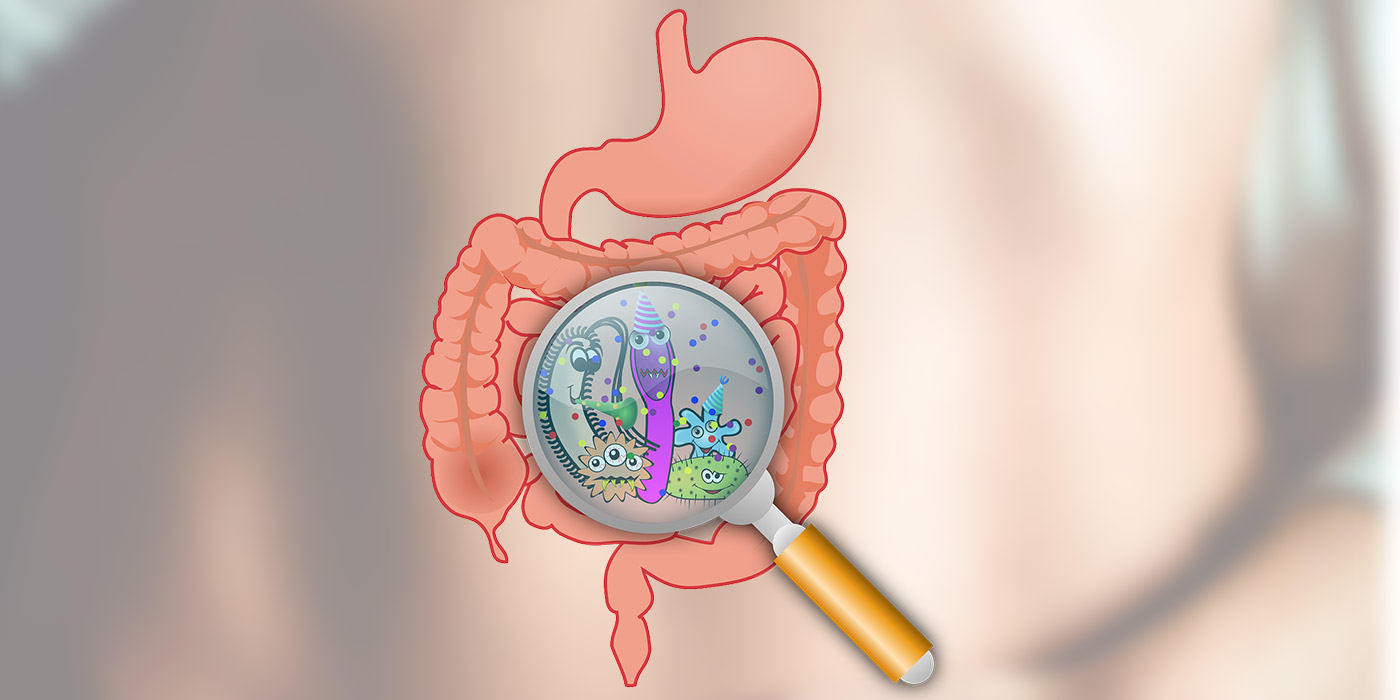
health does not start in the gym or the pharmacy, but in the gut. It is there that most of the processes that affect digestion, immunity and our psychological well-being take place. Each of us carries an incredible ecosystem within us - the intestinal microbiota, made up of billions of microorganisms that live in symbiosis with us and constantly influence the behavior of metabolism. Although we don't often think about it, its balance is key to long-term health.
In this edition, we look at how the microbiota shapes our health, what the latest studies say about it, and how we can simply and naturally strengthen its balance every day.
|
|
|
Gut microbiota: a small world with a big impact
The intestinal microbiota consists of a huge number of microorganisms from bacteria to viruses to yeast, which together form a complex and dynamic ecosystem. It is reported that there are about as many microbial cells living in our bodies as there are in humans, and most of them reside in the intestines. This microcosm affects much more than just digestion. Meta-analyses and review studies show that:
- The composition of the microbiota significantly influences risk inflammatory disease, obesity and type 2 diabetes.
- Chronic stress disrupts the intestinal barrier and changes the balance of the microbiota, which can worsen immune and nervous functions.
- There is a link between microbiota and mental health – probiotics and prebiotics they can suppress the symptoms depression and anxiety.
Thus, it turns out that the microbiota is not just a "digestive helper", but a complex organ that connects nutrition, psyche and immunity into one functional unit. At the same time, her balance is very sensitive. Antibiotics, one sided diet rich in sugars, chronic stress or lack thereof fiber they can disrupt the ratio between "beneficial" and potentially harmful bacteria. Long-term imbalance is often associated with digestive problems, inflammation, fatigue and psychological fluctuations. On the contrary colorful plant foods and fermented foods have the ability to develop the diversity of the microbiota and thus strengthen its protective functions.
|
|
|
|
Read:
Balance that starts in the gut
The composition of the intestinal microbiota is constantly changing, it is affected by diet, lifestyle and stress. When in balance, it supports digestion, nutrient absorption and immunity. However, if it is disturbed, fatigue, inflammation or a weakening of the immune system can occur.
Getting enough sleep and a varied diet rich in fiber and fermented foods are among the easiest ways to strengthen the microbiota. Small daily choices can thus fundamentally affect our health and vitality.
|
|
|
|
Practical tip:
How to care for the microbiota every day
The balance of intestinal micro-organisms can be taken care of relatively easily, the main thing is the variety of the diet and the preference for natural foods. Small daily steps have the ability to create an environment in which beneficial bacteria thrive and promote whole-body health:
- Supplement with fiber.
Fiber is the main "food" for healthy bacteria. Focus on natural sources – fruits, vegetables, legumes, whole grains and nuts.
- Include fermented foods.
Fermented foods are a natural source of microorganisms with a probiotic effect, which help restore and stabilize the composition of the intestinal microbiota. In addition, fermentation produces short fatty acids (acetate, propionate, butyrate), which serve as a source of energy for the cells of the intestinal mucosa and strengthen its barrier function. Regular consumption of fermented milk products (kefir, yogurt), fermented cabbage or miso paste is therefore a simple and scientifically based way to support the balance of the microbiome and limit the overgrowth of pathogenic microorganisms.
- Get regular sleep and reduce stress.
The gut microbiome has its own circadian rhythm – it responds to light, food and rest. Lack of sleep and stress disturb its balance. Try to go to bed and get up at similar times and give yourself space to rest.
- Restore microbiota after antibiotics.
Treatment with antibiotics can significantly reduce the amount of beneficial bacteria. Therefore, after it ends, put in a combination probiotics (living cultures) a prebiotic (the fiber that nourishes them). It helps restore the balance of the intestinal environment faster.
Even small changes in your daily routine add up over time. Just start with one step, like adding an extra serving of vegetables to your lunch or replacing milk with kefir. Your microbiome will give back with better digestion, stronger immunity and more vitality.
|
|
|
|
Nutrition in Q&A:

We choose from questions from Counseling, which is an integral part of our courses. Answers that inspire, explain and can help you on your way to a healthier life.
Question:
Can I harm my microbiome by eating similar foods over and over again, even if they are healthy?
Response:
Yes, even a healthy but one-sided diet can harm the microbiome, specifically its diversity. Each type of gut bacteria uses different sources of energy –
some are processing soluble fiber (e.g. from oatmeal or apples), others use resistant starch, which is contained in legumes, whole grain cereals or potatoes etc.
If we keep eating the same foods, some bacterial species start to predominate while others gradually disappear. The result is a reduction microbial diversity, i.e. species diversity, which is considered one of the main indicators of microbiome stability. Studies show that people with a higher diversity of gut bacteria have a stronger immune response, lower levels of inflammatory markers and better metabolic health. Variety in the menu is therefore not only a question of taste, but also of supporting the biological balance in the intestines. It is recommended to alternate sources of carbohydrates, proteins and fats, to combine different types of vegetables, legumes, whole grains and fermented foods.
Simply put - the more varied and natural the menu, the better a more stable and resilient microbiome, which can better protect the body against inflammation, infections and metabolic disorders.
|
|
|

|
have a nice day
Mgr. Martin Jelínek
|
|
|
|

I decided to take the Nutrition and Supplementation Consultant distance learning course shortly after the birth of my third daughter. Before that, I worked for a weight loss company. I felt that the system lacked individual care and a view of the person as a whole. Books by Martin Jelínek dedicated to children's nutrition, fasting and diet for cancer were my first swallow. The view of health presented by Martin Jelínek appealed to me so much that I did not hesitate for a moment and signed up for the course. The course exceeded my expectations in all parameters - completeness, expertise and above all the approach of the lecturer himself. One of the biggest advantages of this course
I see in the educational game ZOF, which shows us all the possible parameters that the menu has when creating individual menus. I believe that you will not find anything similar in this quality on the Czech market.
After completing the course, I decided to gradually complete other courses offered by kurzyatac.cz. I think they have no competition here.
Pavla Brožová
|
|
Follow us
Facebook
Instagram
YouTube
|
ATAC spol. s.r.o.
Obrovského 2138/12, 710 00 Ostrava
|
Unsubscribe
|
You received this email because you subscribed. If you haven't done so, write to info@kurzyatac.cz.
|
|
© 2025 ATAC spol. s.r.o. All rights reserved.
|
|
Back to Newsletter Archive
<!doctype html>
<html lang="en" xmlns="http://www.w3.org/1999/xhtml" xmlns:v="urn:schemas-microsoft-com:vml" xmlns:o="urn:schemas-microsoft-com:office:office">
<head>
<meta charset="utf-8">
<meta name="viewport" content="width=device-width, initial-scale=1.0">
<meta http-equiv="X-UA-Compatible" content="IE=edge">
<meta name="x-apple-disable-message-reformatting">
<meta name="format-detection" content="telephone=no,address=no,email=no,date=no,url=no">
<title>Courses ATAC Newsletter</title>
<!--[if mso]>
<noscript>
<xml>
<o:OfficeDocumentSettings>
<o:AllowPNG/>
<o:PixelsPerInch>96</o:PixelsPerInch>
</o:OfficeDocumentSettings>
</xml>
</noscript>
<![endif]-->
<style>
/* ----- Reset + helpers ----- */
html, body { margin:0 !important; padding:0 !important; height:100% !important; width:100% !important; font-family:Arial, sans-serif; }
* { -ms-text-size-adjust:100%; -webkit-text-size-adjust:100%; }
table, td { mso-table-lspace:0pt !important; mso-table-rspace:0pt !important; }
img { -ms-interpolation-mode:bicubic; border:0; outline:none; text-decoration:none; display:block; }
a { text-decoration:none; }
/* ----- Container ----- */
.email-bg { background:#ddd; }
.wrapper { width:600px; margin:0 auto; }
.content { background:#ffffff; }
.px { padding-left:24px; padding-right:24px; }
.py { padding-top:24px; padding-bottom:24px; }
.py-2 { padding-top:24px; padding-bottom:20px; }
.py-sm { padding-top:16px; padding-bottom:16px; }
.muted { color:#6b7280; }
.heading { font-size:24px; line-height:32px; font-weight:700; margin:0; color:#111827; }
.subheading { font-size:20px; line-height:26px; font-weight:600; margin:0; color:#111827; }
.text { font-size:16px; line-height:24px; color:#111827; margin:0; }
.text p { margin-bottom: 1em }
.text a { text-decoration: underline }
.small { font-size:12px; line-height:18px; }
.divider { border-top:1px solid #e5e7eb; height:1px; line-height:1px; }
.btn { background:#21a158; color:#ffffff !important; padding:12px 20px; border-radius:6px; display:inline-block; font-weight:600; }
.btn:hover { opacity:0.9; }
.center { text-align:center; }
.col { vertical-align:top; }
.spacer-16 { height:16px; line-height:16px; font-size:16px; }
.spacer-24 { height:24px; line-height:24px; font-size:24px; }
.spacer-32 { height:32px; line-height:32px; font-size:32px; }
.read-more { color: #21a158; font-size: 16px; font-weight:bold; margin: 0 0 4px 0;}
h1 { font-size: 22px }
h2 { font-size: 19px; margin: 1.5em 0 0.5em 0 }
h3 { font-size: 16px; margin: 1.5em 0 0.5em 0 }
/* ----- Responsive ----- */
@media (max-width:600px) {
.px { padding-left:16px !important; padding-right:16px !important; }
.py { padding-top:20px !important; padding-bottom:20px !important; }
.stack, .stack > tbody > tr > td { display:block !important; width:100% !important; }
.hide-sm { display:none !important; height:0 !important; overflow:hidden !important; }
.center-sm { text-align:center !important; }
}
/* ----- Dark mode (where supported) ----- */
@media (prefers-color-scheme: dark) {
.email-bg { background:#0b1220 !important; }
.content { background:#0f172a !important; }
.heading, .subheading, .text { color:#e5e7eb !important; }
.muted { color:#94a3b8 !important; }
.divider { border-top-color:#1f2937 !important; }
}
</style>
</head>
<body class="email-bg" style="background:#f5f7fb;">
<!-- Preheader (hidden preview text) -->
<div style="display:none; overflow:hidden; line-height:1px; opacity:0; max-height:0; max-width:0;">
Health doesn't start in the gym or the pharmacy, but in the gut. It is there that most of the processes that affect digestion, immunity and our psychological well-being take place. Each of us carries an incredible ecosystem within us - the intestinal microbiota, made up of billions of microorganisms...
</div>
<!-- Full width background -->
<table role="presentation" width="100%" cellpadding="0" cellspacing="0" border="0" class="email-bg">
<tr>
<td align="center" style="padding:8px">
<!--[if mso]>
<table role="presentation" width="600" cellpadding="0" cellspacing="0" border="0"><tr><td>
<![endif]-->
<div style="width:632px;background:#ffffff;padding:1em;margin:0 auto">
<table role="presentation" cellpadding="0" cellspacing="0" border="0" class="wrapper" width="600" style="width:600px; margin:0 auto;">
<!-- HEADER / LOGO -->
<tr>
<td class="px py-2 center content" style="border-radius:12px 12px 0 0;">
<!-- Logo -->
<a href="https://example.com" target="_blank" style="display:inline-block;">
<img src="https://www.kurzyatac.cz/data/newsletter/logo-en.png" width="240" height="40" alt="Logo" style="height:auto;">
</a>
</td>
</tr>
<!-- HERO BLOCK (image + headline + intro + CTA) -->
<tr>
<td class="content" style="background:#ffffff;">
<img src="https://www.kurzyatac.cz/data/vse-o-studiu/strevni-mikrobiota.jpg" width="600" height="300" alt="Hero picture" style="width:100%; height:auto;">
<div class="px py">
<div class="text">
<p>Good morning,</p>
<p>health does not start in the gym or the pharmacy, but in the gut. It is there that most of the processes that affect digestion, immunity and our psychological well-being take place. Each of us carries an incredible ecosystem within us - the intestinal microbiota, made up of billions of microorganisms that live in symbiosis with us and constantly influence the behavior of metabolism. Although we don't often think about it, its balance is key to long-term health.</p>
<p>In this edition, we look at how the microbiota shapes our health, what the latest studies say about it, and how we can simply and naturally strengthen its balance every day.</p>
</div>
</div>
</td>
</tr>
<!-- DIVIDER -->
<tr>
<td class="content px">
<div style="height:12px; line-height:12px; font-size:12px;"></div>
<div style="border-top:1px solid #e5e7eb; height:1px; line-height:1px;"></div>
<div style="height:12px; line-height:12px; font-size:12px;"></div>
</td>
</tr>
<tr>
<td class="content" style="background:#ffffff;">
<div class="px py">
<div class="text">
<h1>Gut microbiota: a small world with a big impact</h1>
<p>The intestinal microbiota consists of a huge number of microorganisms from bacteria to viruses to yeast, which together form a complex and dynamic ecosystem. It is reported that there are about as many microbial cells living in our bodies as there are in humans, and most of them reside in the intestines. This microcosm affects much more than just digestion. Meta-analyses and review studies show that:</p>
<ul>
<li style="margin-bottom:1em">The composition of the microbiota significantly influences risk <b>inflammatory</b> disease, <b>obesity</b> and <a href="https://academic.oup.com/jcem/article/110/10/2980/8159052"><b>type 2 diabetes</b></a>.</li>
<li style="margin-bottom:1em"><b>Chronic stress</b> disrupts the intestinal barrier and changes the balance of the microbiota, which can worsen <a href="https://karger.com/nps/article/82/5/247/862016/Psychological-Stress-and-Gut-Microbiota"><b>immune and nervous functions</b></a>.</li>
<li>There is a link between microbiota and mental health – <b>probiotics</b> and <b>prebiotics</b> they can suppress the symptoms <a href="https://www.sciencedirect.com/science/article/abs/pii/S002239562500353X"><b>depression and anxiety</b></a>.</li>
</ul>
<p>Thus, it turns out that the microbiota is not just a "digestive helper", but a complex organ that connects nutrition, psyche and immunity into one functional unit. At the same time, her balance is very sensitive. <strong>Antibiotics</strong>, one sided diet rich in <strong>sugars</strong>, chronic <strong>stress</strong> or lack thereof <strong>fiber</strong> they can disrupt the ratio between "beneficial" and potentially harmful bacteria. Long-term imbalance is often associated with digestive problems, inflammation, fatigue and psychological fluctuations. On the contrary <strong>colorful</strong> plant foods and fermented foods have the ability to develop the diversity of the microbiota and thus strengthen its protective functions.</p>
</div>
</div>
</td>
</tr>
<!-- DIVIDER -->
<tr>
<td class="content px">
<div style="height:12px; line-height:12px; font-size:12px;"></div>
<div style="border-top:1px solid #e5e7eb; height:1px; line-height:1px;"></div>
<div style="height:12px; line-height:12px; font-size:12px;"></div>
</td>
</tr>
<!-- TEXT BLOCK -->
<tr>
<td class="content px py">
<p style="color: #21a158; font-size: 16px; font-weight:bold; margin: 0 0 4px 0;">Read:</p>
<h2 style="font-size:20px; line-height:26px; font-weight:600; margin:0 0 1em 0; color:#111827;margin-bottom:1em">Balance that starts in the gut</h2>
<p class="text">
The composition of the intestinal microbiota is constantly changing, it is affected by diet, lifestyle and stress. When in balance, it supports digestion, nutrient absorption and immunity. However, if it is disturbed, fatigue, inflammation or a weakening of the immune system can occur.<br /><br />
Getting enough sleep and a varied diet rich in fiber and fermented foods are among the easiest ways to strengthen the microbiota. Small daily choices can thus fundamentally affect our health and vitality.
<div style="height:24px; line-height:24px; font-size:24px;"></div>
<div>
<!--[if mso]>
<v:roundrect xmlns:v="urn:schemas-microsoft-com:vml" xmlns:w="urn:schemas-microsoft-com:office:word" href="http://nutricourses.com/magazine/gut-microbiota" style="height:44px;v-text-anchor:middle;width:220px;" arcsize="10%" stroke="f" fillcolor="#21a158">
<w:anchorlock/>
<center style="color:#ffffff;font-family:Arial, sans-serif;font-size:16px;font-weight:bold;">Primary action</center>
</v:roundrect>
<![endif]-->
<!--[if !mso]><!-- -->
<a style="background:#21a158; color:#ffffff !important; padding:12px 20px; border-radius:6px; display:inline-block; font-weight:600;" href="http://nutricourses.com/magazine/gut-microbiota" target="_blank">Read the article</a>
<!--<![endif]-->
</div>
</td>
</tr>
<!-- DIVIDER -->
<tr>
<td class="content px">
<div style="height:16px; line-height:16px; font-size:16px;"></div>
<div style="border-top:1px solid #e5e7eb; height:1px; line-height:1px;"></div>
<div style="height:16px; line-height:16px; font-size:16px;"></div>
</td>
</tr>
<!-- TEXT + IMAGE (2 columns) -->
<tr>
<td class="content px py">
<p style="color: #21a158; font-size: 16px; font-weight:bold; margin: 0 0 4px 0;">Practical tip:</p>
<h2 style="font-size:20px; line-height:26px; font-weight:600; margin:0; color:#111827;margin-bottom:1em">How to care for the microbiota every day</h2>
<div class="text">
<p>The balance of intestinal micro-organisms can be taken care of relatively easily, the main thing is the variety of the diet and the preference for natural foods. Small daily steps have the ability to create an environment in which beneficial bacteria thrive and promote whole-body health:</p>
<ul>
<li style="margin-bottom:1em"><b>Supplement with fiber.</b><br />Fiber is the main "food" for healthy bacteria. Focus on natural sources – fruits, vegetables, legumes, whole grains and nuts. </li>
<li style="margin-bottom:1em"><b>Include fermented foods.</b><br />Fermented foods are a natural source of microorganisms with a probiotic effect, which help restore and stabilize the composition of the intestinal microbiota. In addition, fermentation produces short fatty acids (acetate, propionate, butyrate), which serve as a source of energy for the cells of the intestinal mucosa and strengthen its barrier function. Regular consumption of fermented milk products (kefir, yogurt), fermented cabbage or miso paste is therefore a simple and scientifically based way to support the balance of the microbiome and limit the overgrowth of pathogenic microorganisms.</li>
<li style="margin-bottom:1em"><b>Get regular sleep and reduce stress.</b><br />The gut microbiome has its own circadian rhythm – it responds to light, food and rest. Lack of sleep and stress disturb its balance. Try to go to bed and get up at similar times and give yourself space to rest.</li>
<li style="margin-bottom:1em"><b>Restore microbiota after antibiotics.</b><br />
Treatment with antibiotics can significantly reduce the amount of beneficial bacteria. Therefore, after it ends, put in a combination <b>probiotics</b> (living cultures) a <b>prebiotic</b> (the fiber that nourishes them). It helps restore the balance of the intestinal environment faster. </li>
</ul>
<p>Even small changes in your daily routine add up over time. Just start with one step, like adding an extra serving of vegetables to your lunch or replacing milk with kefir. Your microbiome will give back with better digestion, stronger immunity and more vitality.</p>
</div>
</td>
</tr>
<!-- DIVIDER -->
<tr>
<td class="content px">
<div style="height:12px; line-height:12px; font-size:12px;"></div>
<div style="border-top:1px solid #e5e7eb; height:1px; line-height:1px;"></div>
<div style="height:16px; line-height:16px; font-size:16px;"></div>
</td>
</tr>
<!-- TEXT + IMAGE (2 columns) -->
<tr>
<td class="content px py">
<p style="color: #21a158; font-size: 16px; font-weight:bold; margin: 0 0 4px 0;">Nutrition in Q&A:</p>
<p style="margin-top:16px;margin-bottom:16px"><img src="https://www.kurzyatac.cz/data/newsletter/pic1.jpg" alt="" style="width:100%; height:auto;"></p>
<div class="text">
<p>
We choose from questions from <a href="https://www.nutricourses.com/advisory">Counseling</a>, which is an integral part of our courses. Answers that inspire, explain and can help you on your way to a healthier life.</p>
<p><em>Question:</em></p>
<p>Can I harm my microbiome by eating similar foods over and over again, even if they are healthy?</p>
<p><em>Response:</em></p>
<p>Yes, even a healthy but one-sided diet can harm the microbiome, specifically its diversity. Each type of gut bacteria uses different sources of energy –
some are processing <strong>soluble fiber</strong> (e.g. from oatmeal or apples), others use <strong>resistant starch</strong>, which is contained in <strong>legumes</strong>, <strong>whole grain cereals</strong> or <strong>potatoes</strong> etc.
If we keep eating the same foods, some bacterial species start to predominate while others gradually disappear. The result is a reduction <strong>microbial diversity</strong>, i.e. species diversity, which is considered one of the main indicators of microbiome stability. Studies show that people with a higher diversity of gut bacteria have a stronger immune response, lower levels of inflammatory markers and better metabolic health. Variety in the menu is therefore not only a question of taste, but also of supporting the biological balance in the intestines. It is recommended to alternate sources of carbohydrates, proteins and fats, to combine different types of vegetables, legumes, whole grains and fermented foods.
</p>
<p>Simply put - the more varied and natural the menu, the better <strong>a more stable and resilient microbiome</strong>, which can better protect the body against inflammation, infections and metabolic disorders.</p>
</div>
</td>
</tr>
<!-- DIVIDER -->
<tr>
<td class="content px">
<div style="height:16px; line-height:16px; font-size:16px;"></div>
<div style="border-top:1px solid #e5e7eb; height:1px; line-height:1px;"></div>
<div style="height:12px; line-height:12px; font-size:12px;"></div>
</td>
</tr>
<tr>
<td class="content px">
<table>
<tr>
<td width="32">
<img src="https://www.kurzyatac.cz/assets/images/mj-podpis.jpg" alt="Martin Jelínek" style="width:64px;height:auto;border:1px solid #eee;display:block;border-radius:4px" />
</td>
<td style="padding-left:1em;font-size:.9em;color:#555;vertical-align:middle;">
have a nice day<br />
Mgr. Martin Jelínek
</td>
</tr>
</table>
</td>
</tr>
<!-- DIVIDER -->
<tr>
<td class="content px">
<div style="height:16px; line-height:16px; font-size:16px;"></div>
<div style="border-top:1px solid #e5e7eb; height:1px; line-height:1px;"></div>
<div style="height:16px; line-height:16px; font-size:16px;"></div>
</td>
</tr>
<!-- ABSOLVENT -->
<!-- TEXT BLOCK -->
<tr>
<td class="content px py" style="padding-top:0">
<div class="text" style="font-size:.9em;line-height:140%">
<img src="https://www.kurzyatac.cz/data/absolventi/pavla-brozova.jpg?v5" alt="" style="float:right;width:120px;height:auto;margin:6px 0 1em 2em;border-radius:5px" />
<p>I decided to take the Nutrition and Supplementation Consultant distance learning course shortly after the birth of my third daughter. Before that, I worked for a weight loss company. I felt that the system lacked individual care and a view of the person as a whole. Books by Martin Jelínek dedicated to children's nutrition, fasting and diet for cancer were my first swallow. The view of health presented by Martin Jelínek appealed to me so much that I did not hesitate for a moment and signed up for the course. The course exceeded my expectations in all parameters - completeness, expertise and above all the approach of the lecturer himself. One of the biggest advantages of this course
I see in the educational game ZOF, which shows us all the possible parameters that the menu has when creating individual menus. I believe that you will not find anything similar in this quality on the Czech market.
After completing the course, I decided to gradually complete other courses offered by kurzyatac.cz. I think they have no competition here.<br /><br /></p>
<p><b><a href="https://shop.fermatigo.world/register?sid=10101">Pavla Brožová</a></b></p>
</div>
</td> </tr>
<!-- SOCIAL (icons as text placeholders) -->
<tr>
<td class="content px py center">
<p class="small muted" style="margin:0 0 8px;">Follow us</p>
<p class="small">
<a href="https://www.facebook.com/kurzyatac" target="_blank" style="margin:0 8px; color:#2563eb;">Facebook</a>
<a href="https://www.instagram.com/kurzyatac.cz" target="_blank" style="margin:0 8px; color:#2563eb;">Instagram</a>
<a href="https://www.youtube.com/@MartinJel%C3%ADnekVyziva" target="_blank" style="margin:0 8px; color:#2563eb;">YouTube</a>
</p>
</td>
</tr>
<!-- FOOTER -->
<tr>
<td class="content px py" style="border-radius:0 0 12px 12px;">
<div style="border-top:1px solid #e5e7eb; height:1px; line-height:1px;"></div>
<div style="height:16px; line-height:16px; font-size:16px;"></div>
<table role="presentation" width="100%" cellpadding="0" cellspacing="0" border="0">
<tr>
<td class="small muted" style="text-align:left;">
ATAC spol. s.r.o.<br>
<span>Obrovského 2138/12, 710 00 Ostrava</span>
</td>
<td class="small muted" style="text-align:right;">
<a href="https://www.kurzyatac.cz/newsletter-odhlaseni" target="_blank" style="color:#6b7280; text-decoration:underline;">Unsubscribe</a>
</td>
</tr>
</table>
<div style="height:16px; line-height:16px; font-size:16px;"></div>
<p class="small muted" style="margin:0;">You received this email because you subscribed. If you haven't done so, write to <a href="mailto:info@kurzyatac.cz" style="color:#6b7280; text-decoration:underline;">info@kurzyatac.cz</a>.</p>
</td>
</tr>
<!-- LEGAL / ADDRESS -->
<tr>
<td class="px py-sm center muted small">
© 2025 ATAC spol. s.r.o. All rights reserved.
</td>
</tr>
</table>
</div>
<!--[if mso]></td></tr></table><![endif]-->
</td>
</tr>
</table>
</body>
</html>
